Alright, let’s get real for a second. When was the last time you eyeballed a portion of pasta and ended up with a mountain of carbs on your plate? It happens to the best of us. Portion control isn’t about eating less—it’s about eating right, fueling your body with the right amounts of food to hit your goals without overdoing it.
And here’s the kicker: you don’t need to rely on guesswork. Portion control tools are a game-changer for anyone looking to manage their serving sizes, whether you’re dialing in your nutrition for fat loss, muscle gain, or just overall health. Let’s dig into why these tools matter and how to use them effectively.
Why Portion Control Tools Are a Game-Changer
We live in a world of super-sized everything—plates, portions, and, let’s be honest, appetites. It’s no wonder that portion distortion is a real thing. Portion control tools can help you take the guesswork out of serving sizes, so you’re eating what your body needs—not what your eyes think you need.
Here’s why they’re worth incorporating into your routine:
-
Promotes Mindful Eating Using portion tools forces you to slow down and think about what you’re putting on your plate. That mindfulness can help you avoid overeating.
-
Supports Nutrition Goals Whether you’re tracking macros or just trying to eat balanced meals, portion tools help you hit your targets with precision.
-
Reduces Food Waste By serving the right amount upfront, you’re less likely to toss leftovers or feel obligated to “clean your plate.”
-
Makes Consistency Easy Success in fitness and nutrition comes from consistency. Portion tools make it simple to replicate meals and track progress.
Top Portion Control Tools and How to Use Them
You don’t need a fancy gadget to get started—there are plenty of tools and tricks to help you manage serving sizes like a pro. Here are some of the best ones:
-
Measuring Cups and Spoons
The OG portion control tools. Use them to measure ingredients like rice, oatmeal, or nuts, especially when prepping meals in advance.
Pro Tip: If you’re eating out, compare your portion to standard sizes you’ve measured at home. For example, a cup of cooked pasta should be about the size of a tennis ball.
-
Food Scale
When precision is the name of the game, a food scale is your best friend. It’s especially useful if you’re tracking macros or calories.
Pro Tip: Weigh food after it’s cooked for the most accurate portion sizes, especially for proteins like chicken or beef, which lose water during cooking.
-
Plate and Bowl Size
Believe it or not, the size of your dish matters. Research shows that smaller plates can trick your brain into feeling satisfied with less food.
Pro Tip: Use a 9-inch plate for meals instead of a dinner plate. You’ll feel like you’re eating more without piling on extra calories.
-
Portion Containers
These color-coded containers are a lifesaver if you’re meal prepping. Each container corresponds to a specific food group, making it easy to ensure balanced meals.
Pro Tip: Prep multiple meals at once and stack the containers in your fridge for grab-and-go convenience.
-
Hand Portioning
For the times when you’re on the go and can’t whip out a scale, your hand is a handy (pun intended) guide:
-
Protein: The size of your palm
-
Carbs: The size of your cupped hand
-
Fats: The size of your thumb
-
Veggies: Both hands cupped together
Pro Tip: Use this method when dining out to keep portions in check without looking like a weirdo measuring food in public.
Practical Tips for Mindful Serving Sizes
Let’s be real: tools are only as good as how you use them. Here’s how to make portion control work for you:
-
Start Small Serve yourself a smaller portion to begin with—you can always go back for seconds if you’re still hungry.
-
Pre-Portion Snacks Avoid eating straight from the bag (because we’ve all crushed a whole bag of chips by accident). Divide snacks into single-serving containers ahead of time.
-
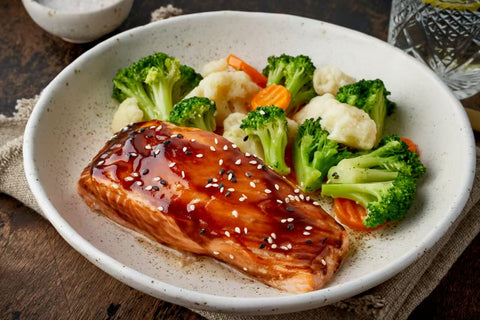
Balance Your Plate Aim for a plate that’s half veggies, a quarter protein, and a quarter carbs, with a small portion of healthy fats.
-
Listen to Your Body Tools can help with portions, but only you know when you’re truly satisfied. Eat slowly and pay attention to hunger cues.
Who Can Benefit from Portion Control Tools?
-
Fitness Enthusiasts: Dial in your nutrition to hit your fat loss, muscle gain, or performance goals.
-
Busy Professionals: Simplify meal prep and avoid overindulging after a long day.
-
Families: Teach kids about healthy eating habits and balanced meals from an early age.
The Takeaway: Small Adjustments, Big Results
Portion control tools aren’t about restriction—they’re about empowerment. They give you the knowledge and structure to fuel your body properly, stay consistent, and hit your goals without feeling deprived. Whether you’re tracking every gram of protein or just trying to cut back on oversized portions, these tools can make a big difference.
So, grab that food scale, dust off your measuring cups, or simply pay more attention to your portions. The results? More energy, better digestion, and a greater sense of control over your nutrition. And hey, you might just finally figure out what a proper serving of pasta looks like.
Stay strong, stay consistent, and don’t let portion distortion mess with your progress. You’ve got this! 💪
Meet Fitnexa, your AI-driven companion that turns everyday habits into a positive, uplifting journey. From effortless meal analysis (including recipe suggestions) to personalized coaching and real-time support, Fitnexa keeps you on track toward lasting wellness — so you can stay younger, live longer.
https://apple.co/4hr8JGW