Are you a fitness enthusiast struggling to stay fit and healthy? Do you also hear countless opinions about exercising to stay fit? You’re not alone! We all encounter myths that make us wonder if we’re doing enough. But don’t worry. In the following sections, Fitnexa will expose some of the most common misconceptions about fitness. So, let’s get started.
No Pain? No Gain?
No, that’s not how it works. A good exercise routine does not require pain or injury. While it’s essential to challenge yourself, it’s not wise to push to the point of pain. According to Extreme Body Fit and Fitbie, feeling pain or experiencing difficulty breathing means you’re not exercising healthily. However, sweating and breathing hard are normal parts of exercise and shouldn’t be concerning.
The real issue arises when you feel pain in your muscles and joints. Discomfort or sharp pain in your muscles is a big no-no! Pain signals from your muscles mean it’s time to stop. Pay attention to these signals rather than outdated advice.
Moderate Aerobic Workouts for Burning Fat
If you’ve just started working out, results may be minimal. It’s ideal to combine various workouts for best results. The Washington Post highlights that while high-intensity exercises burn more calories per minute, moderate-intensity aerobic exercise is often more sustainable and can be effective for fat burning, especially when done consistently. Building aerobic endurance and incorporating interval training can boost results more effectively than simple, steady-paced workouts.
Eat Anything as Long as You Exercise
Unfortunately, this isn’t true. Running extra miles or burning more calories won’t automatically get you the body you want. Achieving your fitness goals requires a balanced diet, efficient metabolism, and controlled calorie intake. Fitday notes that people often believe this myth, leading to slower progress. Simply consuming extra calories with the idea that they can easily be burned off is misleading, especially for beginners.
This approach might work for professional athletes who train for hours each day, but for most people, mindful eating and nutrition are key to fitness. Calorie intake and nutrition balance matter, especially if weight loss is a goal.
Stretching Before a Workout Prevents Injury
This is a common misconception. While many athletes and dancers find it convincing, stretching before a workout doesn’t prevent injury. Both CNN and Forbes report that static stretching can reduce muscle power and make muscles temporarily weaker. Dynamic stretching or a gentle warm-up to increase blood flow and loosen muscles is more effective at preparing your body for exercise.
Adopting a Gluten-Free Diet Will Help You Lose Weight
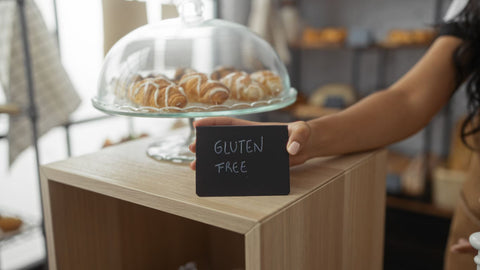
A gluten-free diet sounds appealing for a healthy lifestyle, but it doesn’t guarantee weight loss. The Huffington Post states that eating gluten isn’t unhealthy unless you have Celiac disease or gluten sensitivity. Additionally, gluten-free foods can be more calorie-dense and expensive without providing weight-loss benefits. Gluten-free diets aren’t inherently lower in calories and won’t necessarily help you lose weight.
Cardio Burns More Fat Than Strength Training
While cardio does help burn fat, strength training is beneficial because it increases muscle mass, which raises your resting metabolic rate. Fitbie explains that strength training has additional benefits like improved metabolism, insulin sensitivity, and a decrease in fat-storing enzymes. Combining strength training with cardio optimizes calorie burn and fat loss.
Weight Gain Means No Fat Loss
This is a common misunderstanding. Muscle is denser than fat, so it takes up less space. According to the Washington Post, gaining muscle can lead to weight gain, but the composition of your body may change in a healthier way. When you start lifting weights, you may retain more water in the muscles initially, which can contribute to temporary weight gain. Over time, as your muscle mass increases and body fat decreases, you’ll notice positive changes in your body shape.
Skipping Meals to Save Calories

Skipping meals doesn’t support fitness goals. If you think you can skip breakfast and lunch and still have a high-calorie dinner, reconsider. Healthline explains that skipping meals can make you irritable and hungrier, often leading to overeating. A better practice is to eat balanced meals with sufficient nutrients to keep your energy stable throughout the day. Skipping meals can also slow down your metabolism.
Women Will Get Bulky from Lifting Weights
This is a myth. Heavy lifting won’t make women bulky like men due to hormonal differences. Fitness Magazine notes that women’s testosterone levels are 20-30 times lower than men’s, so they typically don’t develop large muscles from weight lifting. Lifting weights enhances strength, boosts metabolism, and helps tone muscles without causing bulk.
Crunches and Ab Workouts Will Spot-Reduce Belly Fat
Doing endless crunches won’t reduce belly fat if overall body fat is high. Spot reduction is generally ineffective. To build visible abs, you need to reduce overall body fat through a combination of cardio, strength training, and a balanced diet. Professionals agree that burning overall fat is key to achieving a toned midsection.
Wrapping Up!
To reach your fitness goals, separate fact from fiction. Recognize common exercise myths and set practical goals that suit your body’s needs. Always consult an experienced professional before trying new exercises or diets.
Get Fit and Stay Strong – Start Your Fitnexa Membership!
FAQs
1. What are common fitness myths?
Common fitness myths include beliefs that cardio is the best way to burn calories, muscles turn into fat if you stop exercising, spot-reducing fat is possible, and women get bulky from weight lifting.
2. Can muscle turn into body fat?
No, muscle and fat are different types of tissue. Muscle doesn’t turn into fat; when you stop exercising, muscle mass can decrease, and you might gain fat if you consume more calories than you burn.
3. Do Women Bulk Up from Lifting Weights?
No, women generally don’t get bulky from lifting weights due to lower testosterone levels compared to men. Weight lifting enhances strength and tones muscles without causing the bulky look associated with male bodybuilding.
Meet Fitnexa, your AI-driven companion that turns everyday habits into a positive, uplifting journey. From effortless meal analysis (including recipe suggestions) to personalized coaching and real-time support, Fitnexa keeps you on track toward lasting wellness — so you can stay younger, live longer.
https://apple.co/4hr8JGW