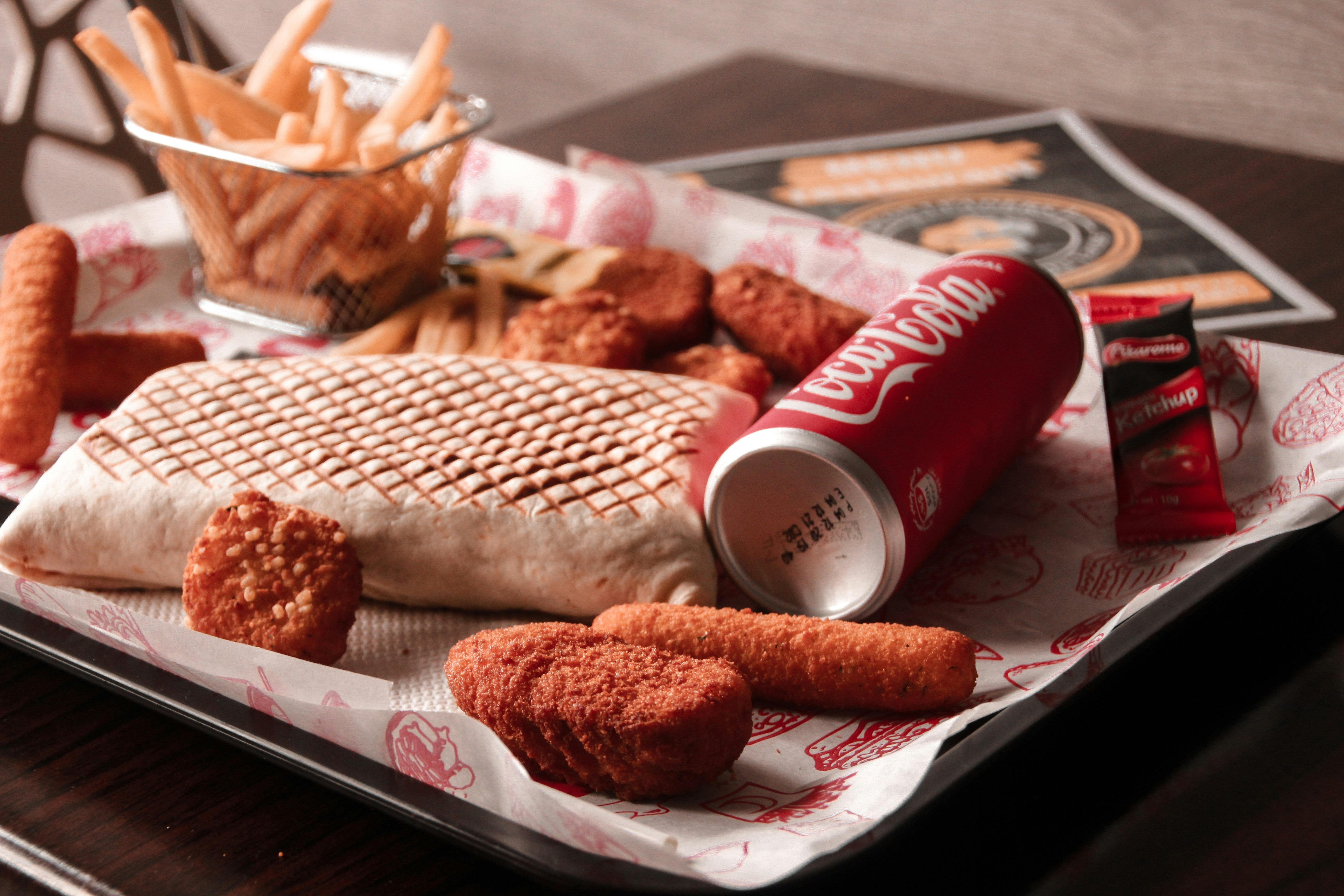
When people hear “diabetes,” the first thought is usually sugar. Sweets, milk tea, cakes—these get blamed as the villains. But the latest research makes it clear: type 2 diabetes isn’t just about a sweet tooth. The real driver is diet structure.
In other words, diabetes risk isn’t about whether you “can” eat sugar. If your overall diet is balanced, the occasional dessert won’t push you into diabetes. What matters more are the everyday habits—the bread, the rice, the drinks, the meats—that quietly shape your long-term risk.
A Global Table of Risk
Look around the world, and the risk of type 2 diabetes is written into what people put on their plates. In Eastern Europe and Central Asia, red meat and potatoes dominate—an inheritance from cold climates where high-calorie foods meant survival. But what once kept people warm now fuels chronic disease.
In Latin America, sugary drinks are everywhere. They’re not just popular—they’re often cheaper than bottled water, and multinational beverage companies have spent decades marketing soda as a lifestyle. In many areas, tap water isn’t safe, so soda feels like the easiest “clean” choice. Processed meats like chorizo and ham are just as deeply rooted, a mix of Spanish colonial legacy and practical convenience: cheap, salty, flavorful, and easy to store. Together, they make diabetes a daily companion.
In East Asia, white rice and noodles are staples, shaped by thousands of years of agriculture where rice and wheat fed empires. Fine, polished grains were prized for taste and appearance, but in stripping away fiber they became fast-digesting carbs that spike blood sugar harder than candy.
And in the United States and other wealthy nations, the problem isn’t scarcity—it’s culture. After WWII, industrial farming and mass food processing turned burgers, pizza, soda, and hot dogs into cheap, convenient defaults. Add a fast-paced lifestyle, and fast food became the quickest way to fill up: quick, filling, cheap. A choice shaped by history and economy, but one that now invisibly drives diabetes.
Education and Geography—Not What You Think
So who’s most at risk? It might not be who you’d expect. Many assume higher education and urban living equal healthier eating. Reality often flips that script.
In India, walk through Bangalore’s IT parks and you’ll see engineers grabbing pizza and burgers for lunch, sweetened coffee in hand. Modern, convenient, aspirational—and riskier. Higher education and income here often mean more access to processed food.
In the U.S., it’s the reverse. College-educated families shop at Whole Foods, load carts with organic produce, whole-wheat bread, and sugar-free soda. Meanwhile, lower-income households lean on frozen pizza, chips, and soda—not from ignorance, but because healthier options are either too pricey or simply unavailable.
The urban-rural gap is just as ironic. In Mexico City, soda ads plaster half the billboards, and Coke is cheaper than bottled water. Processed meats and fast food dominate, making city dwellers more at risk. Rural families, eating beans and tortillas, often fare better. But in rural America, the opposite is true. Drive through the Midwest and you’ll find “food deserts”: no supermarkets, just gas stations and convenience stores stocked with chips, frozen pizza, and soda. Meanwhile, families in New York or San Francisco can shop Trader Joe’s for salads, quinoa, and Greek yogurt. In Latin America, cities breed diabetes. In America, rural areas do.
The contradiction points to one truth: what matters isn’t education level or ZIP code—it’s whether healthy food is affordable and accessible.
What You Can Actually Do (and Still Live Your Life)
Preventing diabetes isn’t about perfection, punishment, or never touching cake again. It’s about small, steady changes:
- Tweak your carbs: Mix brown rice or quinoa into your white rice, try whole-wheat bread or pasta. Half-and-half is progress.
- Fix your drinks: Keep soda as an occasional indulgence, not a daily habit. Water, unsweetened tea, or sparkling water with lemon do the job.
- Balance your protein: Cut red meat portions, add chicken, fish, or beans. Bacon at Sunday brunch? Fine. But not every day.
- Add some color: More variety on the plate—greens, reds, oranges. Frozen veggies and canned beans count, too.
- Snack smarter: Nuts, yogurt, or fruit keep you fuller than chips and cookies. Save the cookies for when you’ll truly enjoy them.
- Move a little: A 15-minute walk after dinner can steady blood sugar. If walking bores you, dance, play with your dog, or take the stairs.
And here’s the big picture: don’t get stuck in fear. Diabetes prevention is about patterns, not absolutes. A slice of cake at a birthday party won’t wreck you. It’s what fills your plate most of the time that matters. Think balance, not banishment.
The Bigger Environment
At the same time, let’s not ignore the bigger system. For many people, eating healthy isn’t about “not wanting to”—it’s about not having the choice. Some neighborhoods have Whole Foods down the block; others have only gas stations selling chips and soda.
That’s the real unfairness. Diabetes isn’t just about what you eat—it’s about whether you can choose better.
And if the answer is no, then the solution can’t just be on individuals. It has to be collective: families, communities, policy. Together, we can make healthier choices easier, more affordable, and more natural. Only then will the curve of diabetes begin to bend.
Reference
O’Hearn, M., Lara-Castor, L., Cudhea, F. et al. Incident type 2 diabetes attributable to suboptimal diet in 184 countries. Nat Med 29, 982–995 (2023). https://doi.org/10.1038/s41591-023-02278-8