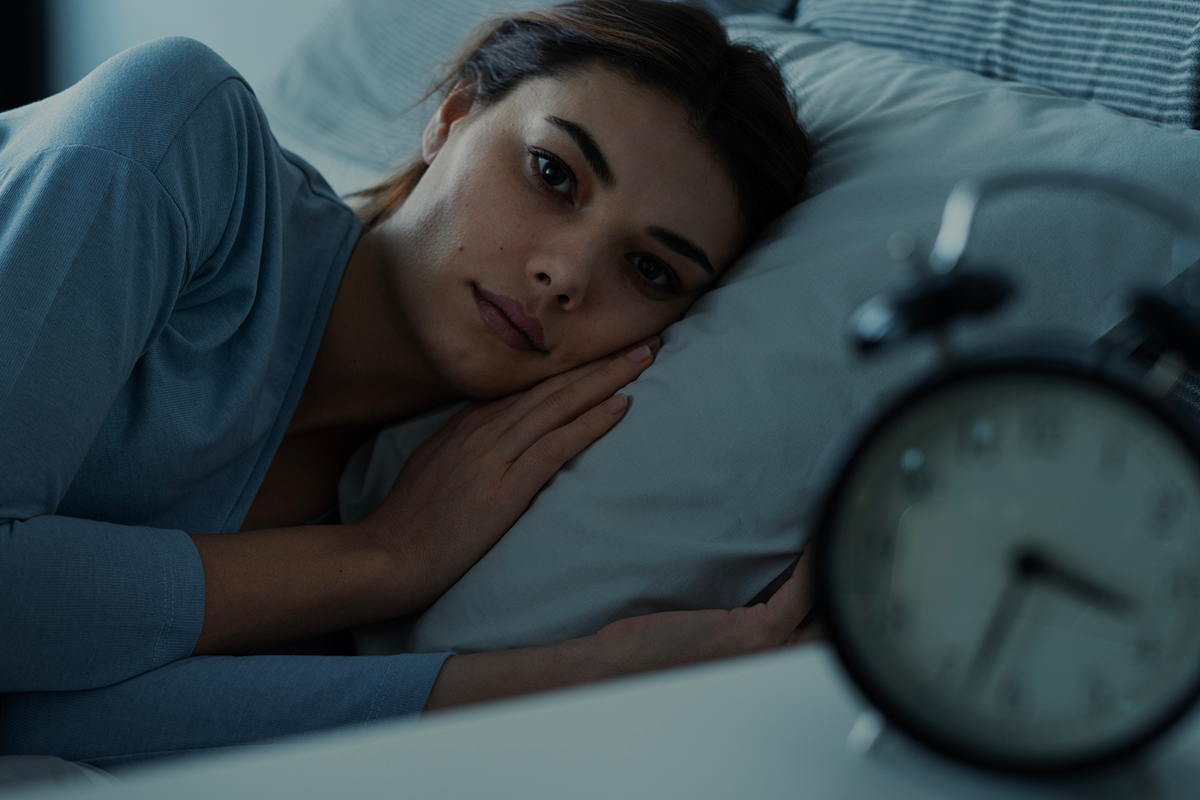
 If you sleep on your side, you already know the real problem: an earbud can feel fine for ten minutes, then start pressing into your ear once your head settles into the pillow. That pressure can make you turn over, readjust in the dark, or half-wake without fully remembering it the next morning. That is why the best sleep earbuds for side sleepers are not just small earbuds. They need to be thin, light, stable, and comfortable enough to stay pressure-free for hours.
In other words, the best earbuds for side sleepers are the ones that disappear once you lie down. A bulky earbud can create a pressure point. A loose earbud can shift every time you move. A deep, rigid fit can become uncomfortable long before morning. For side sleepers, overnight comfort matters just as much as sound.
If your sleep is already sensitive to bedroom conditions, the earbuds themselves are only part of the picture. Pillow support, room noise, and the overall sleep setup all matter too. A calmer baseline often starts with The importance of a healthy sleep environment, but for side sleepers, the first priority is still solving pillow-side pressure.
Why Side Sleeping Makes Earbuds Harder to Wear
Side sleeping turns your outer ear into a contact point between your head and the pillow. That changes what “comfortable” means. When an earbud sticks out too far, even slightly, the pillow can press it into the cartilage of the ear for hours. The result is often soreness, repeated repositioning, or lighter sleep.
This matters because sleep quality is not only about how long you stay in bed. Repeated arousals and nighttime interruptions can reduce how restorative sleep feels, even if you do not remember each one. Sleep Foundation notes that sleep fragmentation refers to repeated disruptions during sleep, and it can make sleep feel less restorative overall. Harvard Health also emphasizes that insufficient or disrupted sleep can affect mood, focus, and daytime functioning.
For side sleepers, the issue is simple: if an earbud creates pressure, it can become part of the sleep problem.
Direct Answer: What Side Sleepers Should Look For
When choosing the best sleep earbuds for side sleepers, focus on these factors first:
1. A low-profile, ultra-thin shape
This is the biggest comfort factor for most side sleepers. The less the earbud protrudes, the less likely it is to press painfully into the pillow-side ear.
2. Very low weight
A lighter earbud places less sustained load on the ear over the course of the night. This matters more than many people expect when you stay in one position for long stretches.
3. A pressure-free fit
A secure fit should come from thoughtful geometry and soft contact points, not from forcing the bud deeper into the ear canal. The goal is stability without soreness.
4. Enough fit options to match different ear shapes
Many people assume an earbud is not suitable for side sleeping when the real issue is a poor tip or wing match. Multiple tip styles and stabilization options increase the chances of achieving a flush, comfortable fit.
5. Built-for-overnight comfort
The best comfortable sleep earbuds for side sleepers should be designed for hours of wear, not just short evening listening.
If you also wake up easily from small sounds, comfort is only half the equation. Sudden changes in sound can still break sleep even when the earbud feels fine, which is the same pattern explored in Why light sleepers wake up so easily.
Why SomniPods 3 Fit the Side-Sleeper Problem
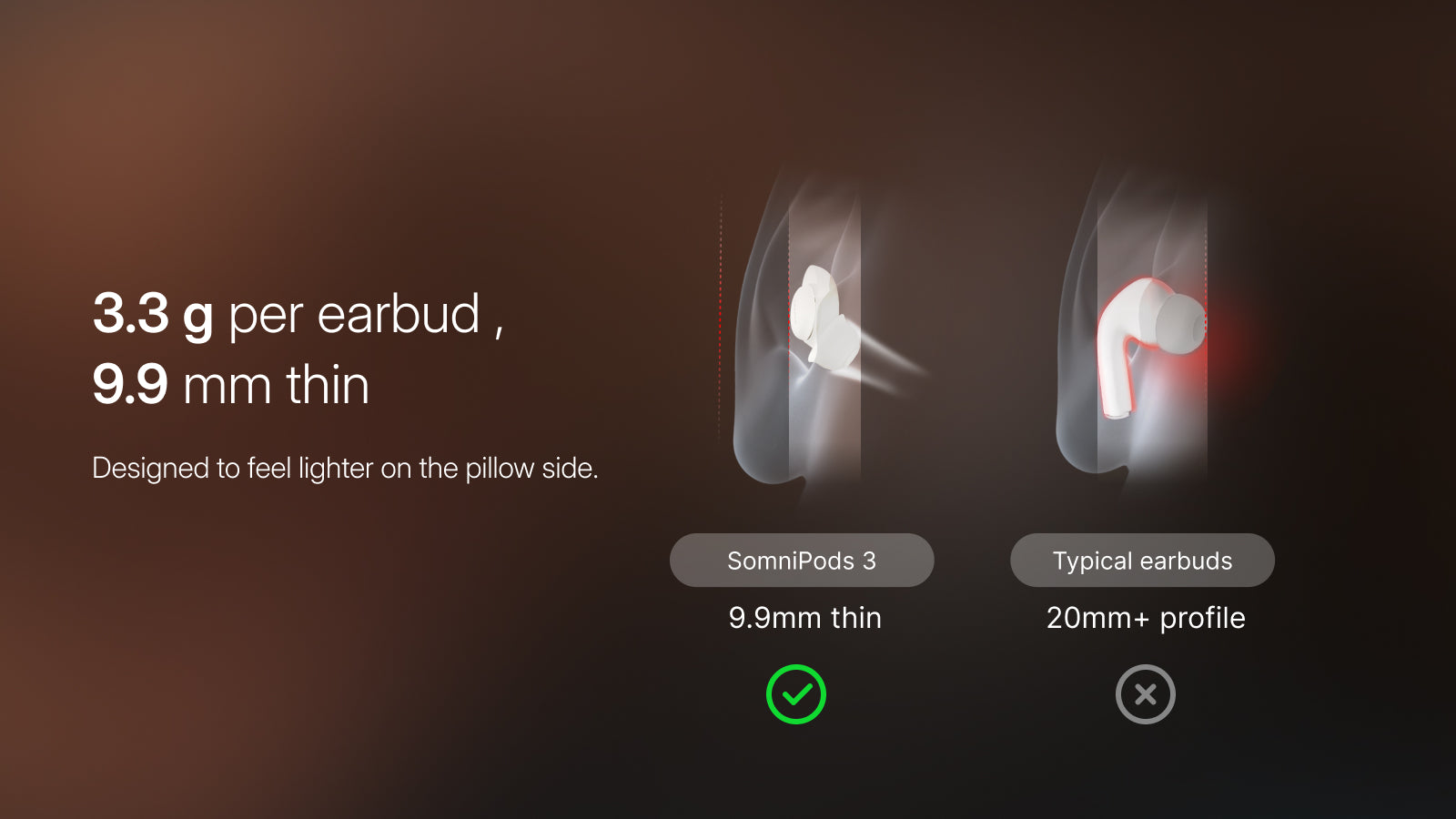
For this specific use case, SomniPods 3 align well with what side sleepers typically need most.
First, the design is ultra-thin, which directly supports pillow-side comfort. If an earbud sits closer to flush with the ear, it is less likely to create a sharp pressure point during side sleeping.
Second, each earbud weighs just 3.3g. That low weight helps reduce the persistent sensation of something pressing into the ear, which often becomes more noticeable as the night goes on.
Third, SomniPods 3 are built around fit adjustability. The full fit kit includes 10 pairs of silicone tips in round and flared shapes plus 4 sizes of ear wings, giving side sleepers more ways to find a stable fit that does not press or slip.
Most importantly, the product is positioned around a pressure-free fit and overnight wear. That aligns closely with the real requirements of side sleepers, more than generic audio features do. For people specifically searching for side sleeper ear buds, that thin, light, and stable combination is usually more important than entertainment-focused specs.
You can explore the product here: Shop SomniPods 3.
Comfort First, Noise Support Second
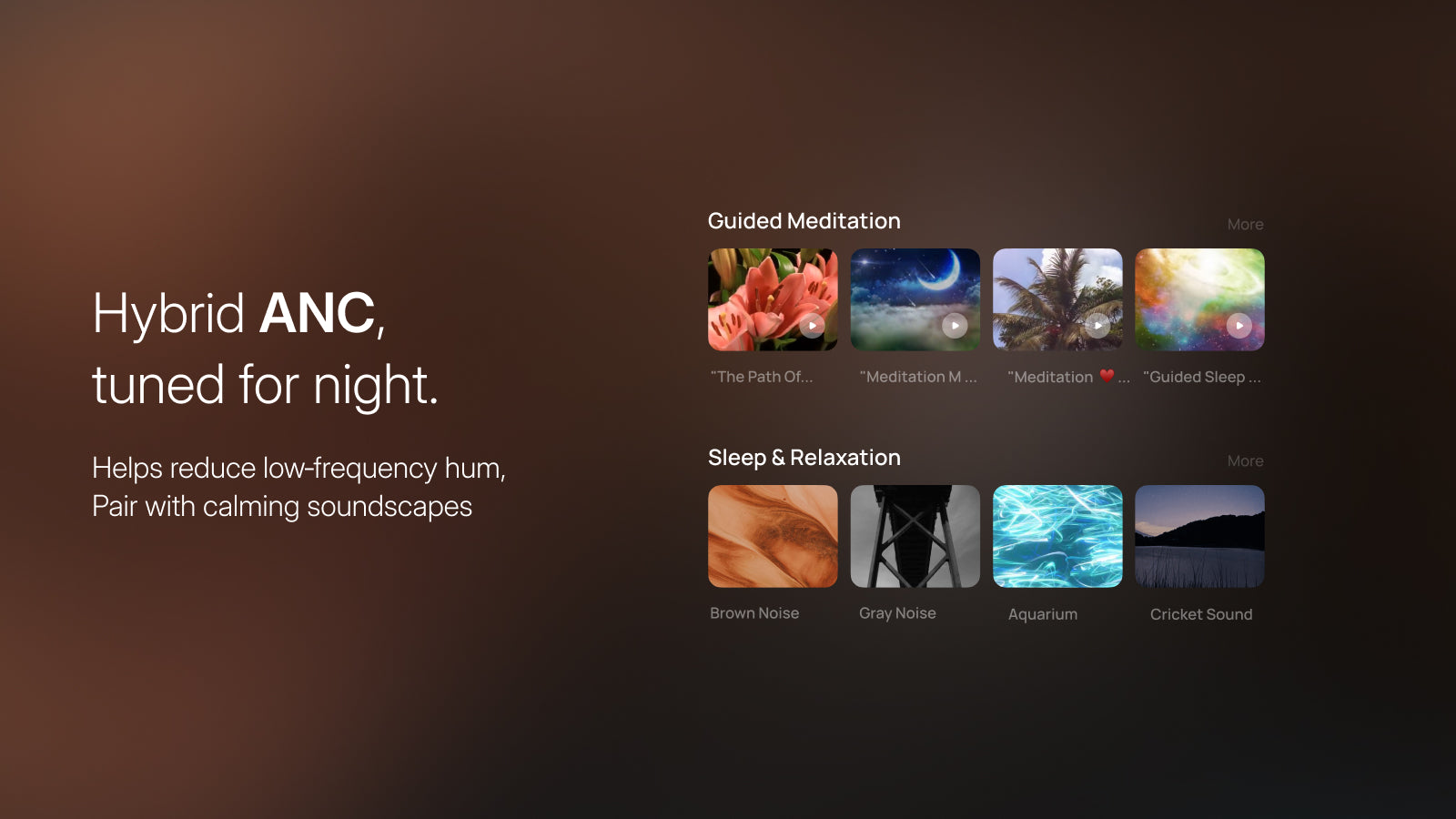
For side sleepers, comfort is the main filter. But if your sleep is also disrupted by snoring, traffic, or room noise, sound support still matters.
This is where SomniPods 3 can help beyond fit. Features like hybrid ANC and a white noise library may support a more stable sleep environment, especially when the problem is irregular sound rather than constant loudness. The key is that these features should support the main goal, not replace it. If an earbud is uncomfortable on the pillow side, it is not the right solution, no matter how advanced the audio features are.
This is especially true for light sleepers, who often wake from changes in sound rather than sheer volume. Sleep Foundation notes that good sleep is associated with minimal nighttime awakenings, while Mayo Clinic describes waking during the night as a common sign of disrupted sleep. In practice, that means a comfortable side-sleeper fit often works best when the room itself is calmer and more consistent, especially if outside noise is part of the problem, as discussed in Sleeping in a noisy apartment: what helps.
A Simple 3-Night Test for Side Sleepers
Do not judge sleep earbuds in the first few minutes. Test them over three nights under normal conditions.
Keep the following consistent:
- same pillow
- same side-sleeping position
- same bedtime window
- same room temperature
- same audio volume or masking setting
Track these each morning:
Night 1: Pressure
Did the pillow-side ear feel sore, tender, or aware of the earbud?
Night 2: Stability
Did the earbud stay in place when you turned over, or did it shift enough to wake you or require adjustment?
Night 3: Sleep continuity
Did you notice fewer awakenings, and did you feel more restored in the morning?
If pressure builds over the three nights, the shape or fit is probably not suitable for side sleeping. If comfort is good but sleep is still disrupted, the bigger issue may be room noise, stress, or fragmented sleep rather than the earbud itself. Sleep Foundation notes that poor sleep quality can still occur even when someone spends enough time in bed, which reflects the same pattern behind How fragmented sleep affects recovery.
Quick Checklist: Are These the Right Sleep Earbuds for Side Sleepers?
Before buying, ask:
- Does the earbud sit thin and close to the ear?
- Is it light enough for overnight wear?
- Does it offer enough tip and wing options for a flush fit?
- Is the fit pressure-free rather than deep and rigid?
- Was it designed for sleep, not just casual listening in bed?
- If noise is part of the problem, does it support stable low-level masking without becoming a source of discomfort?
If the answer is yes across those points, you are much closer to finding the best sleeping earbuds for side sleepers for your own setup.
Final Thoughts
The best sleep earbuds for side sleepers solve a very specific problem: they reduce pillow-side pressure while helping you sleep through the night with fewer interruptions. That usually comes down to five things: a thin profile, very low weight, a stable fit, a pressure-free feel, and real overnight comfort.
For side sleepers, that is the standard to judge by. SomniPods 3 stand out because their thin, lightweight, and fit-adjustable design closely matches that need. If noise is also part of your sleep environment, their masking features can support the solution without taking over the article’s main point: side sleepers need comfort first. For readers comparing this use case with the broader category, the next step is the full sleep earbuds guide.
FAQ
Are sleep earbuds safe for side sleepers?
They can be, if the design is thin, light, and comfortable enough for overnight wear. The main issue for side sleepers is usually pressure against the pillow-side ear, so fit and profile matter more than flashy features.
What makes the best earbuds for side sleepers different from regular earbuds?
Regular earbuds may sound good while sitting up but still create pressure when your ear is pressed into a pillow. The best earbuds for side sleepers are designed to sit flush, stay stable, and remain comfortable for hours.
What are the most comfortable sleep earbuds for side sleepers?
The most comfortable sleep earbuds for side sleepers are usually the ones with an ultra-thin profile, very low weight, soft materials, and multiple fit options. For this scenario, comfort under pressure matters more than entertainment features.
Do side sleepers need ANC in sleep earbuds?
Not always. ANC can help if snoring, traffic, or low-frequency room noise is part of the problem, but it should not be the main buying reason. If the earbuds are not comfortable on the pillow side, ANC will not fix that.
How do I know if sleep earbuds fit my ears correctly?
Use a short test over several nights. A good fit should feel stable but not forceful, stay in place when you turn, and avoid soreness in the morning.
Can you sleep on your side with earbuds in?
Yes, but only if the earbuds are designed for overnight wear and sit low enough to avoid pillow-side pressure. For many people, the problem is not wearing earbuds at all. It is wearing earbuds that protrude too much or create a rigid pressure point.
Why do earbuds hurt more on the pillow side?
Because side sleeping compresses the outer ear between your head and the pillow. Even a small amount of outward protrusion can concentrate pressure on the cartilage for hours, which is why thin, light, pressure-free designs matter so much more in this position.
Are SomniPods 3 good for side sleepers?
They appear well matched to side sleeping because the design emphasizes thinness, low weight, fit flexibility, pressure-free comfort, and overnight wear. Those are the features that matter most in this use case.