
If you wake up multiple times at night, feel unrefreshed after a full sleep window, or notice that your recovery feels worse even when your sleep duration looks fine, you are likely dealing with fragmented sleep. In sleep science, recovery is not only about total hours. It is strongly shaped by sleep continuity and how efficiently the brain can cycle through restorative stages without repeated arousals. Many people first discover this gap when they track sleep and see frequent awakenings, high WASO (wake after sleep onset), or unstable sleep architecture across the night. For a broader foundation on how sleep quality, environment, and consistency support real recovery, start with our Sleep hub: Sleep.
What fragmented sleep looks like in real life
Fragmented sleep refers to repeated awakenings or brief arousals that interrupt the continuity of sleep across the night, even when you do not remember every interruption. These arousals matter because sleep is an active neurological state where the brain continues to process sensory input and autonomic signals, and repeated transitions toward lighter sleep can reduce restorative efficiency and next day function. A classic review in the journal Sleep summarizes how sleep fragmentation is associated with measurable impacts on daytime performance and fatigue, emphasizing that broken sleep is not equivalent to consolidated sleep, even if total time in bed is similar: Sleep journal review (PDF). In practical terms, if your night repeatedly resets, your body spends less time in stable recovery windows and more time re-entering sleep, which often shows up as morning heaviness, lower training readiness, irritability, and brain fog.
Why fragmented sleep can reduce recovery even if you sleep long enough
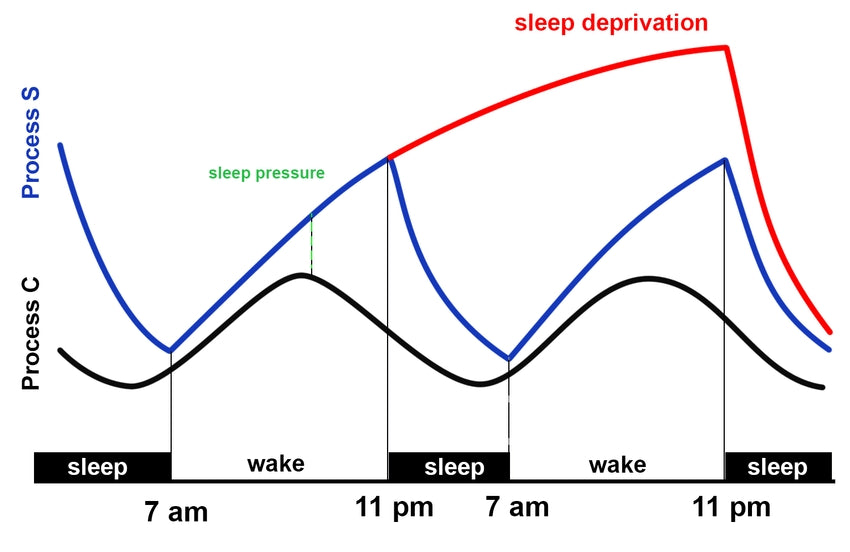
Recovery is strongly tied to stable sleep architecture, particularly consolidated blocks of slow wave sleep (deep sleep) and REM sleep, because these stages are linked to neurophysiology that supports restoration. Slow wave sleep is closely associated with specific endocrine patterns, including growth hormone dynamics, and experimental work has examined how disrupting slow wave sleep can alter nocturnal hormone profiles: PubMed: sleep and endocrine dynamics. Fragmentation also influences autonomic balance and stress signaling, which can keep the body in a more reactive state across the night rather than allowing a sustained downshift. Experimental sleep fragmentation research has examined changes in glucose metabolism, adrenocortical function, and sympathovagal balance, supporting the idea that quality disruption can carry metabolic and recovery costs beyond simple sleep loss: PMC: sleep fragmentation and metabolic effects. The key point is that recovery is not a single switch that flips once you cross a certain number of hours. It is a process that benefits from uninterrupted progression through stages, and fragmentation repeatedly breaks that progression into smaller, less efficient segments.
Common drivers of fragmented sleep
Most fragmented sleep has a repeatable pattern and a dominant trigger. Environmental drivers often include traffic, neighbors, intermittent household sounds, light leakage, or temperature swings, and improving the baseline bedroom setup often makes every other intervention work better, whether you use earplugs, earbuds, or behavioral strategies: The importance of a healthy sleep environment. Lifestyle drivers commonly include late caffeine, alcohol close to bedtime, heavy meals, and irregular sleep timing, all of which can increase nocturnal awakenings or reduce stable deep sleep. If evening choices are a likely contributor, this guide helps you audit food related triggers: Foods to avoid before bedtime. Health drivers include nasal congestion, pain or pressure from sleep position, nocturia, and sleep disordered breathing. If snoring, gasping, or severe daytime sleepiness are present, it can be worth reading a broader overview of common sleep disorders and next steps: Common sleep disorders and next steps.
What actually helps versus what only feels like a quick fix
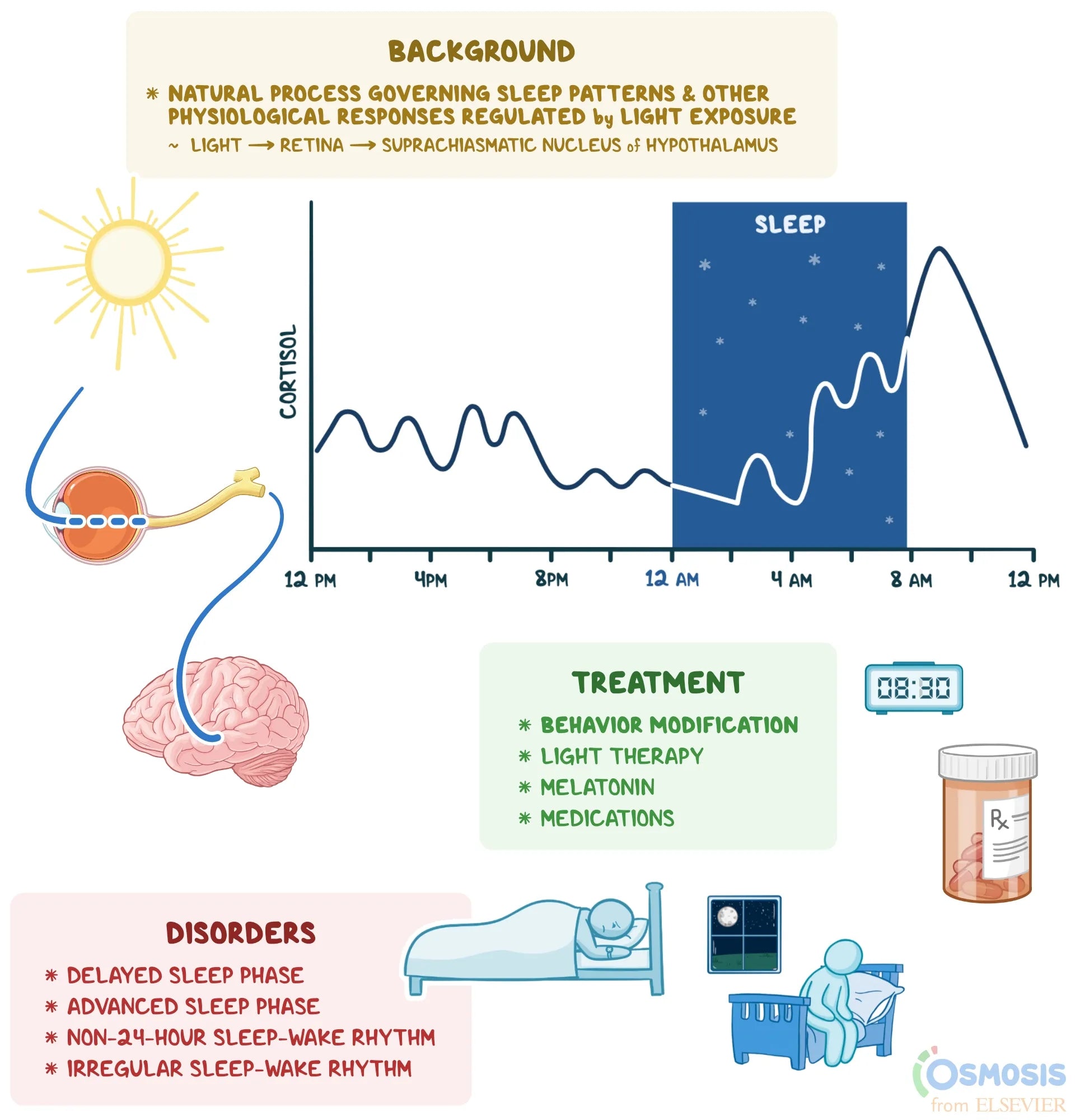
Because fragmented sleep is usually driven by one or two dominant disruptors, the most effective approach is prioritized rather than comprehensive. The interventions with the best real world payoff tend to reduce the frequency of arousal triggers and stabilize the sleep environment: keep the room cool and consistent, reduce light leakage, and address noise peaks that repeatedly pull the brain toward wakefulness. In contrast, quick fixes like sleeping longer on weekends, using alcohol to fall asleep, or adding random supplements without identifying the driver often produce inconsistent results because they do not reduce the nightly interruptions that fragment sleep architecture. If you track sleep, treat the numbers as pattern feedback rather than diagnosis. Trackers can be useful for identifying trends, but the value comes from linking those trends to changes you can actually test: Do sleep tracker apps actually help. If you want a recovery focused perspective on why sleep supports metabolism and restoration, this related Fitnexa article can complement the picture: Sleep and metabolic recovery.
A simple seven night recovery test to confirm what works for you
Rather than changing five things at once, run a structured seven night test that reflects how sleep interventions are evaluated in research: keep bedtime and wake time stable, choose one target driver, then make one controlled change for three nights, followed by a second controlled change for three nights, with one baseline night at the beginning to capture your usual pattern. Each morning, score three outcomes that map to recovery, not just sleep time: number of remembered awakenings, late morning energy stability, and perceived physical readiness. If noise is your main disruptor, compare a stable masking layer versus reduced noise peaks. If timing or lifestyle factors are suspected, compare an earlier caffeine cutoff or alcohol free evenings. This approach turns fragmented sleep from a vague complaint into a measurable pattern, which is often the fastest way to find the smallest change that yields the largest recovery improvement.
Final thoughts
Fragmented sleep is one of the most common reasons people feel under recovered even when their sleep window looks long enough, because repeated arousals prevent the brain from maintaining stable, restorative sleep architecture. The research literature supports that fragmentation affects daytime function and can influence physiological systems linked to recovery, including endocrine and metabolic regulation, which is why continuity is a practical target rather than a theoretical concept: Sleep journal review (PDF) and PMC evidence on fragmentation and metabolism. If your fragmentation is driven by noise and sensitivity to small changes, SomniPods 3 can help protect sleep continuity with a stable, sleep focused sound environment: Explore SomniPods 3. If you want guidance that adapts to your pattern instead of generic tips, start with AI Coach here: Get the Fitnexa App.