
If you feel physically tired yet mentally switched on at bedtime, you are not failing at sleep. In behavioral sleep medicine, difficulty falling asleep is commonly sustained by elevated pre sleep arousal and by learned associations that link the bed with thinking rather than drifting off. A printable wind down checklist helps because it reduces late night decision load, standardizes cues that signal closure and safety, and lowers arousal in a structured way so sleep onset becomes more likely instead of forced. If you want the broader foundation behind sleep continuity, environment, and routine building, begin with Sleep.
Why a wind down routine works and why going to bed earlier often does not
Sleep is not a passive shutdown. The brain continues to monitor internal and external input, and when the pre bedtime period is filled with bright light, notifications, late work problem solving, or irregular household noise, the nervous system remains in a higher vigilance state that delays natural sleep onset even when sleep pressure is high. This is one reason “I am exhausted but cannot fall asleep” is so common: pushing bedtime earlier may increase time in bed without lowering arousal, which can reinforce the pattern of being awake in bed. The most reliable routines are short, repeatable, and paired with an environment that supports sleep rather than competes with it. If your room is inconsistent, improving the baseline often makes every other strategy more effective, and Fitnexa summarizes the core levers in The importance of a healthy sleep environment. For a medical overview of insomnia symptoms and patterns, see NIH MedlinePlus insomnia overview.
What helps and what feels helpful but often backfires
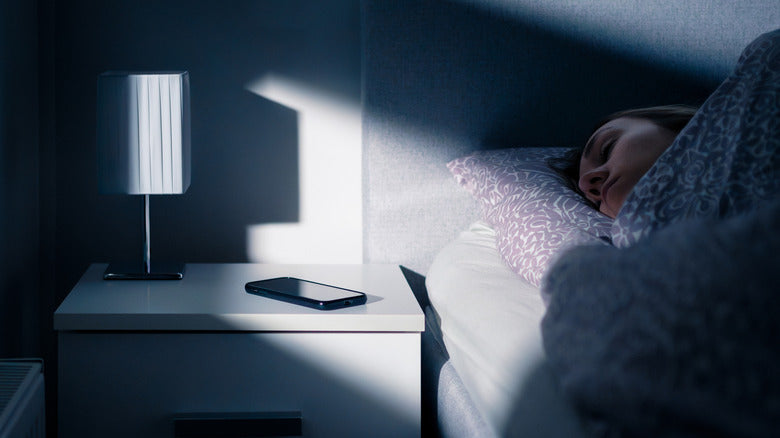
The most effective wind down behaviors tend to be low stimulation and low novelty because they reduce cognitive load at the exact time the brain is most sensitive to cues. Practically, this means dimming lights, setting a firm boundary for notifications, repeating the same small sequence nightly, and choosing a calm activity that does not spike attention, such as reading or brief journaling. Common traps are predictable: scrolling to relax that turns into emotional engagement, doing work in bed which conditions alertness in the sleep context, or staying in bed frustrated for long stretches which reinforces the bed as a place for effort rather than rest. A clinically useful principle is simple: reduce inputs and reduce decisions before bed, then repeat that sequence long enough for your brain to learn the pattern. For a public health baseline on sleep supportive habits, reference CDC sleep guidance.
Printable wind down checklist you can print tonight

Use the smallest version you can reliably complete tonight. In clinical behavior change terms, adherence beats intensity, especially in the first week, so treat the checklist as a script that protects you from late night negotiation rather than a performance standard. If you want movement, keep it gentle and brief and avoid turning it into exercise, and you can borrow a few simple options from The best bedtime stretches for better sleep.
Version A: 10 minute quick reset
☐ Dim the lights
☐ Turn on Do Not Disturb and place your phone on a charger away from the bed
☐ Wash up and brush teeth
☐ Two minutes of slow breathing, inhale 4 exhale 6
☐ Write one line, Tomorrow I will handle
☐ Get into bed with a calm and stable sound environment
Version B: 30 minute standard routine
☐ Lights down and screens off
☐ Warm shower or wash face
☐ Prep tomorrow in 3 minutes, clothes bag water
☐ Gentle stretch for 5 minutes
☐ Calm cue for 10 minutes, reading journaling or a short meditation
☐ Set your sleep environment, cool dark consistent sound
☐ Bedtime within your usual window
Version C: 60 minute deep wind down for anxious or noisy nights
☐ Screens off and charge devices outside the bedroom if possible
☐ Lower lights and reduce household noise
☐ Warm shower or bath
☐ 10 minutes of gentle stretching
☐ 10 minutes of quiet activity, reading journaling calm audio
☐ Two minutes of slow breathing
☐ Set stable sound to reduce sudden noise changes
☐ Final check, room slightly cool bedding comfortable water nearby
How to personalize the checklist using clinically meaningful friction points
Most routines fail because they are generic rather than targeted. A clinically useful approach is to identify the dominant friction point and tailor only one or two steps to that bottleneck: if your friction point is cognitive arousal, prioritize thought offloading on paper and reduce information input; if your friction point is environmental arousal, prioritize stable sound and a predictable bedroom setup; if your friction point is schedule variability, prioritize a consistent wind down start time rather than a perfect bedtime. Tracking can help, but only if it converts into action rather than anxiety, and Sleep tracker apps do they actually help offers a grounded view of what sleep tracking can and cannot do. If late cravings or heavy dinners show up in your pattern, treat the checklist as a system that begins earlier than bedtime and use Foods that promote restful sleep as a practical companion.
A simple three night protocol to identify the smallest routine that works
Instead of searching indefinitely for the perfect routine, run a short structured protocol similar to how behavioral interventions evaluate feasibility. For three nights, keep wake time, bedroom temperature, and light levels as stable as possible, then change only the routine length: Night 1 use the 10 minute routine, Night 2 use the 30 minute routine, and Night 3 use the 60 minute routine. Each morning, record estimated sleep onset latency, number of remembered awakenings, and perceived restoration, then keep the smallest routine that produces meaningful improvement for you. This approach reduces subjective bias and anchors your routine to outcomes rather than effort.
Final thoughts
A printable wind down checklist is not a lifestyle identity. It is a clinically sensible way to lower arousal, reduce decisions, and protect sleep onset from predictable late night triggers. Keep the steps minimal, keep the environment supportive, and prioritize consistency over intensity. If sleep remains persistently disrupted or you suspect a medical driver such as breathing related disturbance, significant insomnia symptoms, or excessive daytime sleepiness, consider broader evaluation and evidence based next steps, and use Common sleep disorders and next steps as a practical starting point.