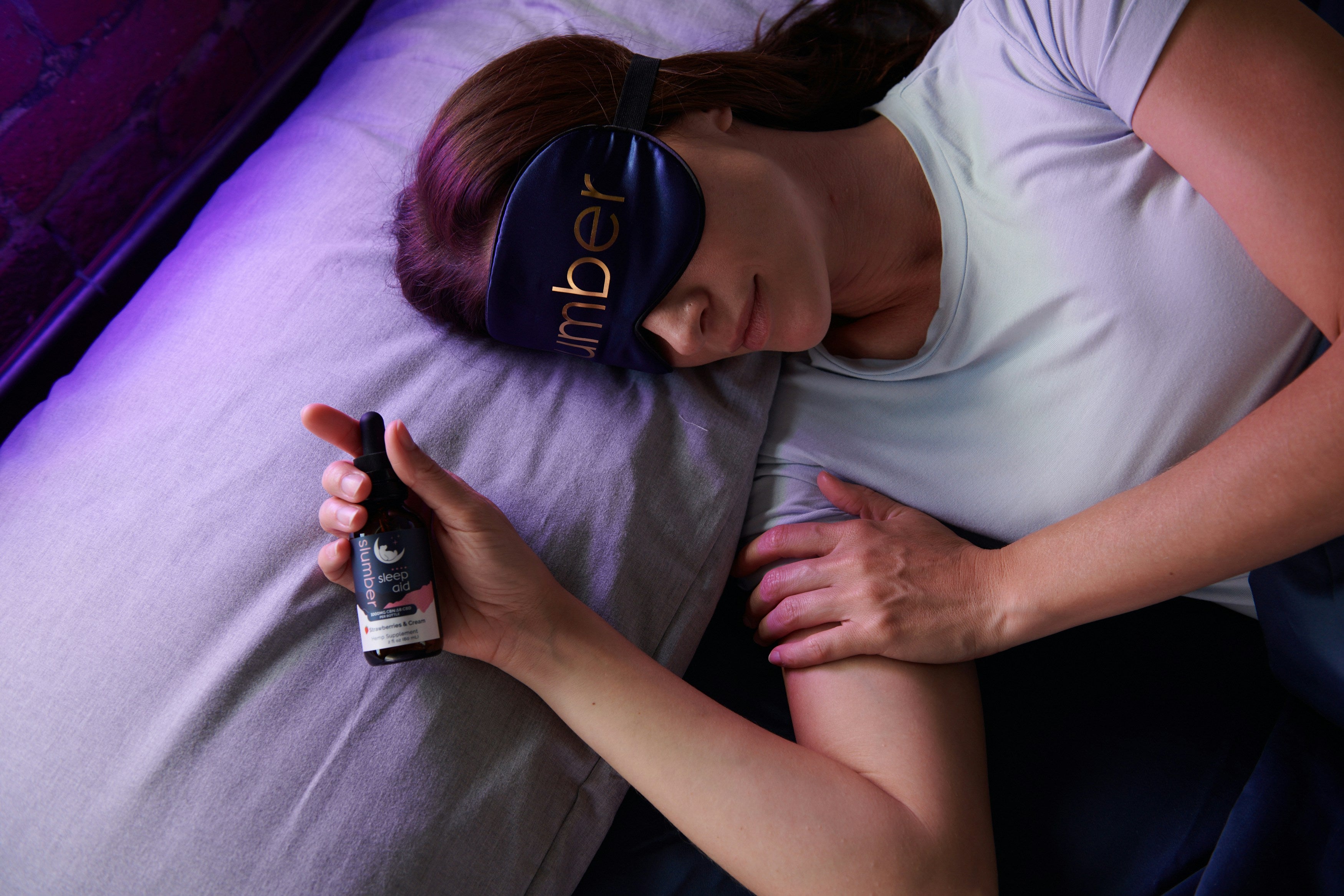
You might sleep seven or eight hours and still yawn through the morning meeting; other times you wake once at midnight and feel surprisingly fine the next day. Sleep doesn’t always line up with duration. We think we’re “catching up,” but the body keeps a different ledger: whether your sleep architecture stays intact, whether the night gets interrupted, and whether breathing and heart rate slip out of rhythm.
To make sense of these mismatches, the first step isn’t to grab a quick fix—it’s to see clearly how you sleep. From in-lab polysomnography to low-intrusion home sensors and wearables, monitoring turns feelings into trackable metrics: how long it takes to fall asleep, how much deep and REM sleep you get, whether breathing stays steady, and how many times you wake up. Only then does intervention make sense—aligning your sleep schedule, tuning light and sound, practicing relaxation, and even gentle neuromodulation. Finally, bring monitoring back to the front to see whether those changes actually make your nights more stable.
It’s a simple but reliable path: monitor → intervene → re-monitor. It helps you break the blind cycle of “try this today, switch to that tomorrow,” and put your limited time and attention into changes that truly work for you.
Why a Closed Loop Matters
In clinics, polysomnography (PSG) is the gold standard. By combining EEG, ECG, EOG, EMG and more, it reveals sleep stages, heart-rate variability, breathing patterns, snoring or apnea events. The catch? It’s expensive, time-consuming, and—ironically—can disturb sleep. That’s why low-intrusion home monitoring has become so valuable: it helps screen for problems and, just as importantly, verifies whether your sleep-aid choices are actually improving your nights.
Home Sleep Monitoring: From “Gold Standard” to “Low-Intrusion”
At home, solutions fall into two broad families: non-contact and contact-based. Non-contact options include cameras, radar, Wi-Fi and microphones. Each has trade-offs. Cameras can pick up breathing and posture but struggle with heart rate and raise privacy questions. Radar can estimate heart rate, HRV and respiration, but hardware can be pricey and sensitive to interference from other people in the room. Wi-Fi can detect breathing and posture yet still struggles with HRV. Microphones are convenient for snoring but are easily thrown off by noise and don’t capture vital signs directly.
Contact-based methods split into wearables and “under/onto-bed” sensors. A key group here is cardio-mechanical sensing: ballistocardiography (BCG) in mattresses, pillows or bed straps to sense micro-movements; seismocardiography (SCG) and gyrocardiography (GCG) at the chest to capture tiny vibrations and rotations. BCG can be very comfortable for long-term use, while chest-mounted options may feel more intrusive. In practice, no single sensor nails every metric—time-in-bed detection, heart rate, HRV, breathing, snoring, motion, and sleep staging—under all conditions. That’s why multi-sensor fusion (e.g., IMU plus soft pressure arrays) is a promising path forward.
How AI Turns Signals into “How Did I Sleep?”
Transforming one night of raw signals into readable insights—deep sleep, wake-ups, REM balance—depends on feature extraction and pattern recognition. In recent studies, computer vision and pressure-array data feed classic and deep models (from SVMs to modern CNNs/transformers) for staging and posture detection. Physiological signals like EEG/ECG or BCG/SCG/GCG also power models that estimate stages and cardiorespiratory metrics. The engineering challenge is clear: make models lightweight and energy-efficient enough to run on the edge—inside your band, ring, or mattress sensor—without sacrificing reliability.
Sleep-Aid Interventions: From “Physical / Medical / Microneedles” to Closed-Loop Control
Interventions are often grouped into physical, medical, and microneedle-based approaches. Physical aids use physiological signals—EEG, HRV and the like—as feedback to guide sound/light/touch or noninvasive electrical stimulation. Early evidence links certain stimulation patterns to steadier autonomic activity and more consolidated deep sleep, but many protocols are still open-loop (fixed pulse width, current, frequency). The next milestone is true closed-loop control that adapts stimulation in real time to your sleep state.
On the medical side, options range from Western pharmacology to traditional herbal medicine and psychotherapy (e.g., CBT-I). Each has different evidence levels, benefits and risks, so professional guidance is essential. Looking ahead, multi-method combinations—carefully integrated and monitored—are likely to outperform any single tool.
Microneedle-based aids are emerging. Dissolving microneedles can deliver actives (like melatonin or botanical extracts) through the skin, while metal microneedles can lower skin impedance to enhance transcutaneous electrical stimulation. Design details—length-to-diameter ratios, spacing, tip radius—affect penetration force, mechanical strength, dosing capacity and comfort. The concept is promising, but long-term safety, design standards and real-world reliability still need more work.
Turning Science into Your Nightly Routine
Measure well, then sleep well. A hospital PSG can answer “What’s my sleep architecture—do I have sleep-disordered breathing?” while home devices excel at trend tracking: watch how your metrics shift week to week and—crucially—after you try something new.
Favor low-intrusion setups you can live with—a comfortable wearable or an under-mattress sensor—and layer a second signal source only if you truly need it. You might not get the single “best” score in every metric, but you’ll likely achieve the most stable overall experience.
Make small, provable upgrades. Lock in a consistent sleep window, dim bright light at night, reduce noise, and test practical aids (sound/light/touch/electrical) one at a time. Let your band, ring or mattress sensor be the judge before and after each tweak.
A Quieter Night, Made Simple (Our Sleep Earbuds)
Noise is the stealth saboteur—snoring, hallway footsteps, late-night traffic can nudge you out of fragile stages. If that sounds familiar, start by taming the soundscape.
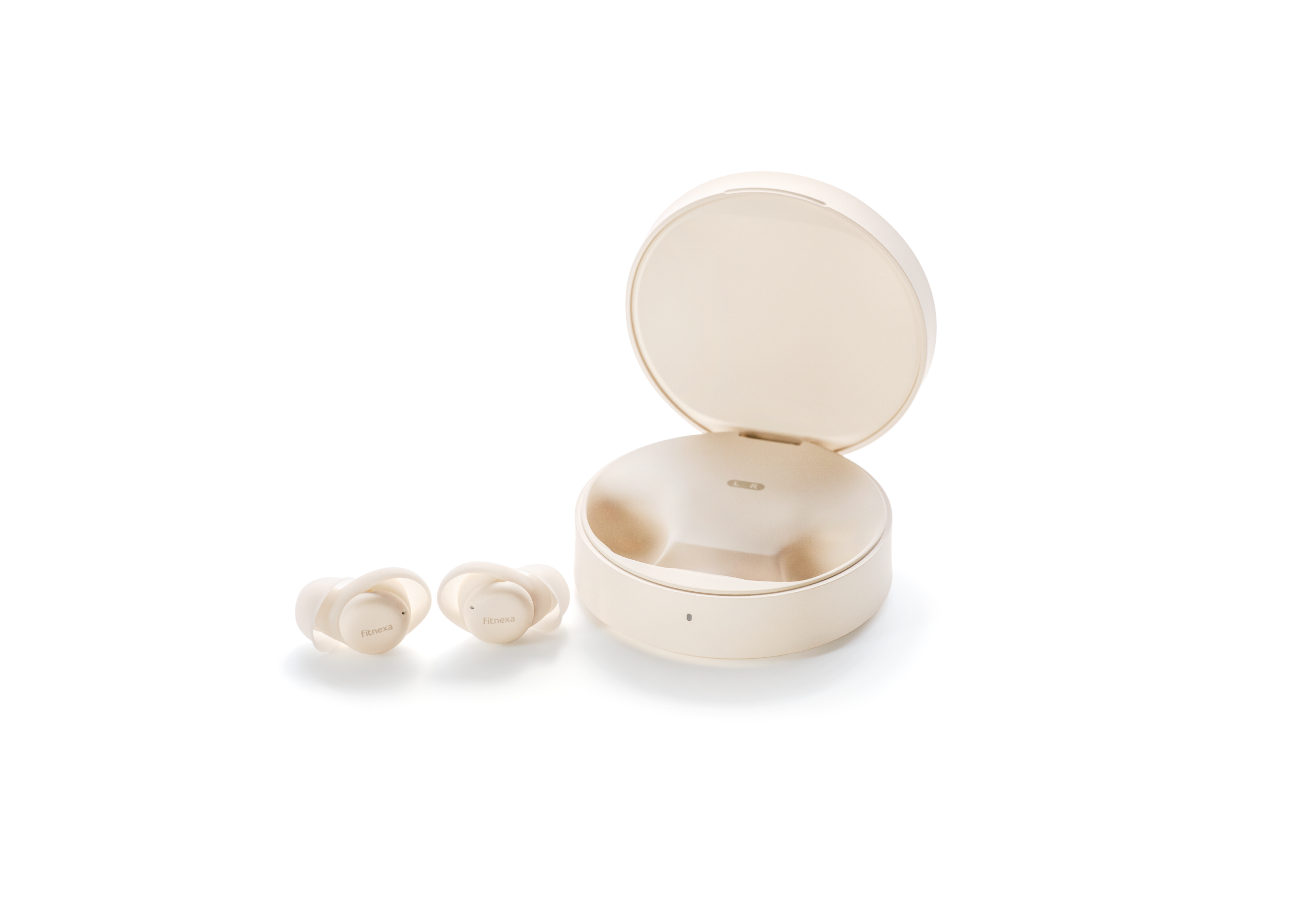
“SomniPods 3 use advanced hybrid ANC to reduce snoring, background noise, and nighttime distractions — all with a soft, ultra-slim fit that stays comfortable even when you sleep on your side.”
SomniPods 3 aren’t a medical treatment for sleep disorders—but they can lower environmental disruption and help you fall and stay asleep more consistently. Pair them with your wearable or under-mattress sensor to compare nights before and after, and turn “it feels quieter” into “my sleep is objectively more stable.” For persistent issues, follow clinical advice and seek a professional assessment when needed.
Bottom Line
Sleep tech is stitching together clinical precision, home comfort and personalized care. The direction is clear: measure more comfortably, compute more intelligently on-device, and intervene more gently and adaptively. There’s still ground to cover on closed-loop control, long-term safety and privacy—but for tonight, the wins are simple: dim the lights, quiet the room, give yourself a steady bedtime, and let your data show you what truly works.
Reference
He, C. H., Wang, X. M., Wen, Y. X., Liu, S. B., Fang, Z. W., Wu, H., Liang, M. J., & Deng, S. Q. (2025). Sleep monitoring and sleep-aid intervention methods: A review. IEEE Internet of Things Journal, 12(16), 32780–32795. https://doi.org/10.1109/JIOT.2025.3582901