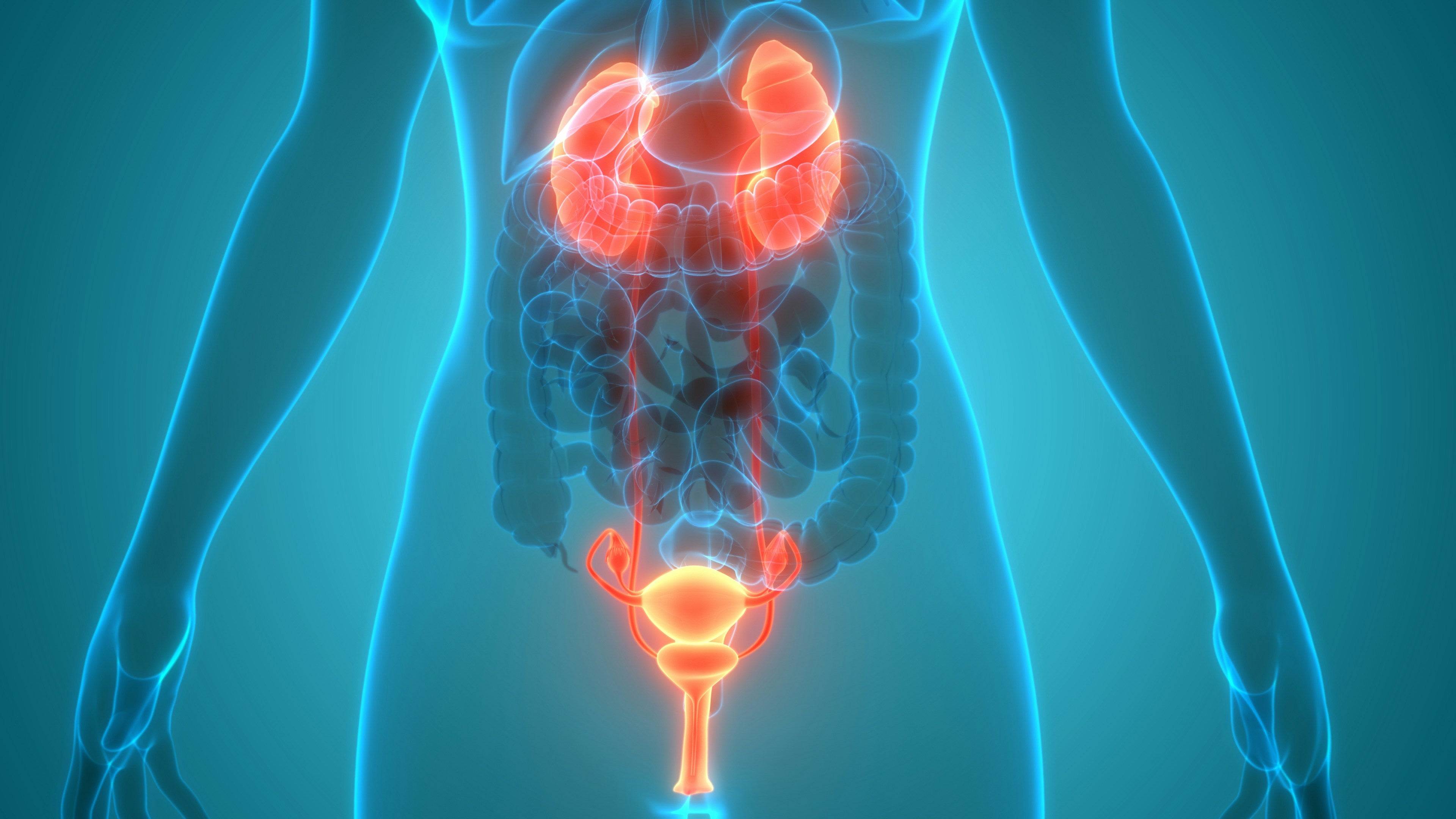
Ever have a night where you finally get cozy, drift toward sleep—and an urgent need to pee yanks you out of bed? Back under the covers, sleep won’t return. The next day is a fog, your focus dips, training feels flat. It’s tempting to blame “too much water,” but there’s a tighter tug-of-war at play: sleep and the bladder amplify each other. Unsettled sleep makes the bladder more reactive; a reactive bladder then breaks sleep.
Why does the bladder “act up” at night?
The bladder is exquisitely sensitive to timing and neural signals. In a good night, anti-diuretic hormone rises so the kidneys make less urine; pressure on the bladder eases. Deep sleep raises your arousal threshold, so mild fullness doesn’t fire the alarm. When schedules slide, sleep fragments, or drifting off takes ages, hormonal rhythms deform, nighttime urine creeps up, and those neural “gates” loosen—the same volume suddenly feels more urgent. Add loud snoring or sleep apnea, and pressure changes can trigger natriuretic peptides, pushing you toward nocturnal polyuria. Over time, choppy sleep nudges low-grade inflammation and lowers discomfort thresholds; meanwhile, very long sleep in some people travels with low daytime activity, delayed rhythms, or mood load—the kind of background that keeps the bladder chatty.
How long should you sleep? Not a magic minute count—think U-shape
We love to ask whether seven or eight hours is “best.” For bladder calm, the picture looks more like a U-shaped curve. In plain English: around six hours tends to be a low point for urgency and nighttime bother. If you’re well below six, moving closer can reduce awakenings by consolidating deep sleep and improving architecture. But as total time climbs beyond six—especially when it hits or exceeds nine hours (≥9 h)—many people notice more bladder-linked disruptions. The curve is often steeper in older adults, and if insomnia or sleep-disordered breathing sits on top, the whole curve shifts upward—same hours, more symptoms.
This is not a nudge to short-sleep. In the broader health context, ≥7 hours remains a common general guideline. Here, “~6-hour low point” and “≥9-hour higher risk” are population cues to help you calibrate. Your personal sweet spot will wiggle around that range. What’s actionable is to stabilize timing, protect deep sleep, then fine-tune total time based on how your nights actually feel.
Lay the groundwork by day
Morning light is a time stamp for your brain—get outside for a few minutes after waking. Move enough during the day; even brisk walks or a solid, sensible strength session help your ADH peak arrive on schedule at night. Front-load caffeine to before noon, keep alcohol modest in the evening, and time fluids smartly: drink adequately through the day, then taper in the last two to three hours before bed. Resolve constipation to lower abdominal pressure on the bladder. Small moves, together, press the U-curve toward its low point.
At night, aim for “steady,” not “stoic”
Make an unhurried final bathroom trip, then run a tiny wind-down ritual—two or three minutes of breathing or light stretching, kill the extra light and notifications, keep the room quiet and slightly cool. If you wake and the urge is still manageable, try urge control: a handful of quick pelvic-floor “flicks” paired with steady exhales can help the wave pass. If you do need to go, take the shortest route with dim light and reuse the same brief ritual to re-enter sleep. The goal isn’t to tough it out—it’s to avoid the loop of wake → bright stimulation → more wake.
Upgrade the “brakes”
Capacity matters, but braking matters too. Practice quick pelvic-floor contractions during the day—find the muscles you’d use to instantly stop a stream, perform short, crisp squeeze-releases a few times per set, spread a few sets across the day. Bring breath-core-pelvic coordination into squats, hinges, and other strength moves—learn to “stabilize, not brace and bear down.” Paired with a mix of aerobic and resistance training, you’ll sleep more soundly, dial back inflammation, and make those emergency stops more reliable.
When sleep itself is the snag
If falling or staying asleep is hard, or snoring and breath-holds are obvious, focusing on the bladder alone rarely fixes the nights. Insomnia lowers arousal thresholds—tiny fullness feels big. Apnea disrupts hormonal rhythms and increases nocturnal urine production. Tackle both tracks—sleep care (regular schedule, cognitive-behavioral strategies, weight loss where helpful) alongside bladder management—for steadier results.
When to get checked
Seek evaluation if urgency/night waking lasts beyond four weeks and affects work, training, or social life; if there are red flags like blood in urine, fever, flank pain, or severe burning; if recovery after childbirth or surgery stalls; or if you’re a man with a weak stream or straining. A clinician can rule out infection and stones and discuss behavior therapy, pelvic-floor rehab, medications, or neuromodulation as needed.
Turn the curve into action
Give yourself a week. Lock a consistent wake-time and catch morning light. Shift all caffeine to earlier hours and stop big gulps a couple of hours before bed. Sip lightly in the evening. Get one moderate-intensity activity or strength session most days. Keep a short pre-sleep routine and sprinkle quick pelvic-floor work through the day. Jot down simple notes—how many night awakenings, when your last large drink was, whether you drank alcohol, and how much you moved. Patterns emerge fast: when rhythm stabilizes and deep sleep firms up, you move toward the bottom of that U. If you routinely sleep ≥9 hours and symptoms ramp, trim total time a bit while guarding quality and timing.
One last note: the links here are associative, not proof of cause and effect. Use them as navigation, then tune with your own experience and professional guidance. That’s the steadier path to quieter nights and stronger days.
Reference
Guan, C., Wang, L., Wang, C., Ma, Y., Chen, Y., Wu, J., Pan, H., Zhang, C., & Song, H. (2025). Sleep matters: The U-shaped relationship between sleep duration and overactive bladder in U.S. adults. Frontiers in Medicine, 12, 1612280. https://doi.org/10.3389/fmed.2025.1612280