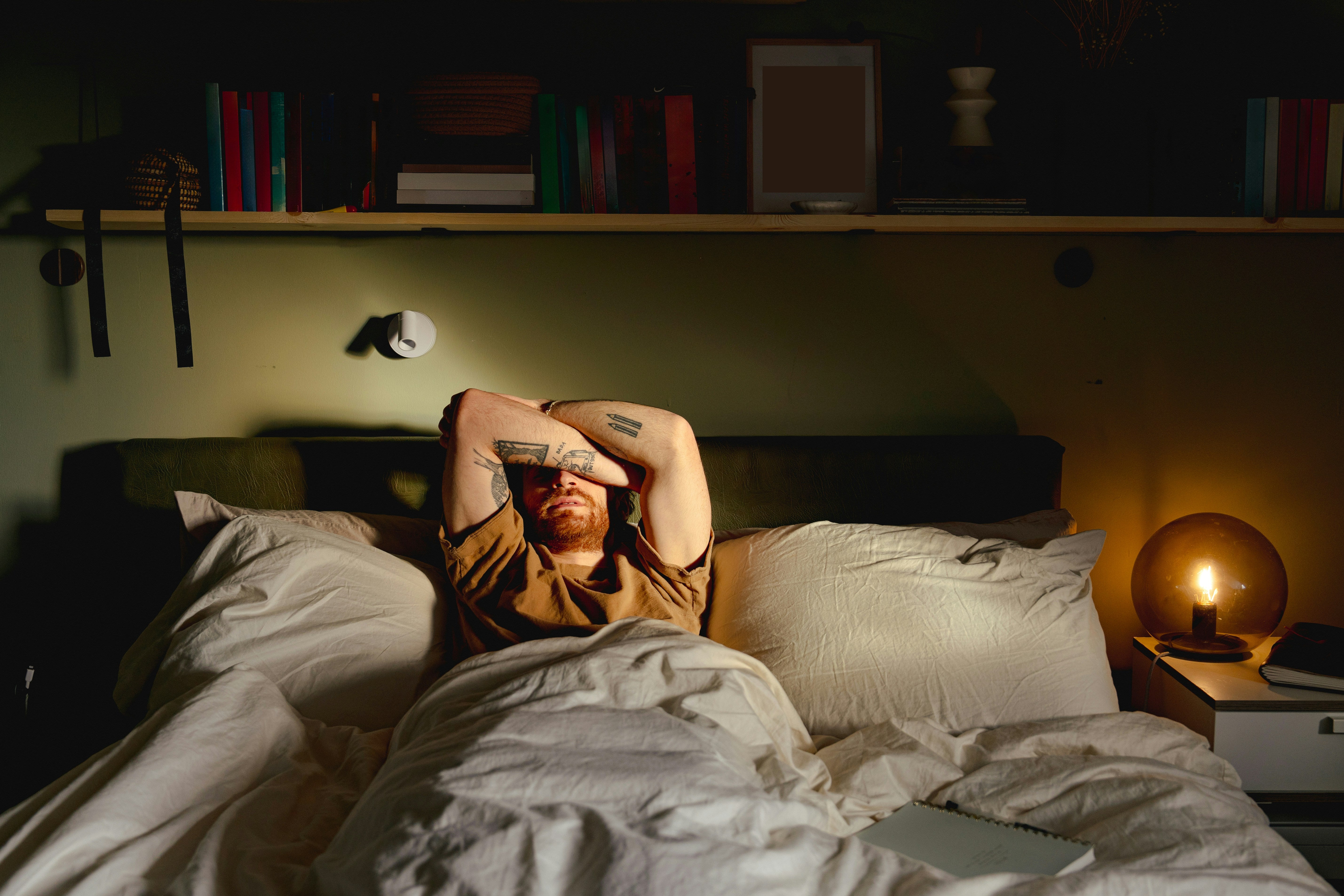
Sometimes you train consistently and keep the protein coming, yet the mirror shows softer lines and slower progress. One hidden culprit often lives in the dark: how you sleep. Muscles aren’t built in the gym—they’re signaled there. The repair and consolidation that turn training into visible gains happen at night. This guide shows how sleep quality, not just sleep duration, safeguards muscle mass—without turning into a dense research review.
Why training “runs on sleep”
Think of daytime training as piling up “work orders”: you create micro-damage and light up anabolic signaling—the body’s start building instruction. Nighttime is when the construction crew shows up. Early-night deep sleep is paired with pulses of growth hormone; testosterone and IGF-1 work in the background; cortisol normally dips overnight. Together they tilt the balance toward protein synthesis, replenish nervous-system drive, and set you up for stronger sessions tomorrow.
When sleep is short or low-quality, it’s not just “a little tired.” Anabolic signaling becomes patchy, nighttime cortisol stays higher than ideal (a demolition crew that won’t clock out), and neural recovery lags. Over weeks and months, the muscle you earn by day leaks away by night. That’s why people can lift hard yet still struggle to preserve lean mass: the overnight conversion step is missing.
When falling asleep takes too long, the “threshold” creeps closer
For many, the biggest issue isn’t total hours—it’s spending 30–60 minutes awake in bed. A prolonged sleep latency compresses or shifts the first deep-sleep cycles—the most efficient window for tissue repair and growth hormone release. Alongside that, two common co-pilots appear:
Circadian misalignment. Bright evening light, screens, and high arousal push your internal clock later, while morning alarms yank you up early. The result is out-of-sync day–night signals and fewer chances to enter deep sleep on time.
Hyperarousal. A nervous system stuck in “go” mode keeps heart rate elevated and thoughts racing, making sleep onset even harder the next night. Over time, the deep-sleep window shrinks, and muscle maintenance hovers near a “critical line”—easier to slip into loss than gain. Population data consistently show that longer sleep latency is linked with a higher risk of later low skeletal muscle mass—a practical reason to train faster, calmer sleep onset like any other performance skill.
Fragmented nights derail the metabolic tempo: nutrients can’t do their job
Eight hours chopped into pieces isn’t the same as eight hours continuous. Repeated awakenings reduce consolidated slow-wave sleep and can blunt insulin sensitivity the next day, raise nocturnal cortisol, and disrupt lipid handling. That means the protein shake after training is less efficiently converted into muscle, and cravings lean toward sugary, fatty foods. If that pattern persists, body fat creeps upward while muscle sits in a “under-fed, under-repaired” limbo.
Think of metabolism as a rhythm section: deep sleep keeps the beat steady so amino acids and glucose arrive on cue. Fragmentation throws off the tempo, so the band plays out of sync and the audience (your muscles) never gets the full show.
Leaning on sleep meds too often? Don’t let the fix become a problem
Short-term, clinician-guided use has its place. But frequent reliance can sedate you without restoring healthy sleep architecture, leaving you groggy by day and wakeful at night. Over the long haul, heavy use also tends to travel with lower skeletal muscle mass in large cohorts—likely because the root causes (irregular schedules, stress, light exposure, limited daytime activity) remain unsolved. The smarter play: if medication is needed, pair it with a clear exit plan plus behavioral strategies—consistent sleep–wake times, dimmer evenings, brief relaxation, and regular daytime movement—to reopen the deep-sleep gate.
Inflammation and adiposity: the backstage crew when sleep goes wrong
Poor sleep often comes with a low-grade inflammatory “smolder” and a nudge toward visceral fat. Inflammatory signals tilt muscle toward breakdown and make insulin less effective; visceral fat feeds the loop by releasing more of those signals. Practically, the tape measure inches up around the waist while muscle becomes harder to maintain. Tamping down that “slow fire”—by sleeping more steadily and managing body fat—creates the internal environment where muscle can actually stay.
Why “how you sleep” beats “how long you sleep”
Two people both “sleep seven hours.” One wakes up clear and keeps getting stronger; the other feels unrefreshed and plateaus. The difference is the architecture and continuity of sleep: how quickly you fall asleep, how much deep sleep you get, and how often you’re awakened. That trio predicts recovery and long-term muscle trends better than the hour count alone. In other words, quality isn’t just a slogan—it’s the lever that moves results.
Make the night part of your plan
Clear a path to sleep onset. Keep a steady sleep window. In the last 60–90 minutes, lower noise, brightness, and screen exposure. If thoughts spool up, jot down tomorrow’s tasks and do 5–10 minutes of relaxed breathing or gentle stretching—your nightly “clock-out” ritual.
Protect the deep-sleep window. Schedule heavy training earlier and land your last big caffeine hit well before afternoon ends. Distribute protein across meals; if slightly hungry at bedtime, a small high-protein snack can support overnight repair without bloating.
Reduce night interruptions. Keep the bedroom cool, dark, and quiet. Ease up on late alcohol and large fluids. If loud snoring is a regular plot twist or you suspect sleep-disordered breathing, get it checked—don’t normalize fragmented sleep.
Lay daytime groundwork. Morning light helps set your body clock; resistance training in the day or early evening increases deep-sleep tendency at night. These are simple, repeatable wins.
Use medication with an exit ramp. If you need it, keep the arc short and pair it with behavioral fixes so “falling asleep naturally” becomes the default again.
New to training: Faster sleep onset and solid deep sleep often beat “one more scoop” for visible progress. Late-working professionals: Trading 30 minutes of midnight scrolling for earlier lights-out can reclaim your prime deep-sleep window. Chasing leanness: Don’t focus only on calories—steady sleep improves insulin signaling and helps preserve muscle while trimming the waist.
Bottom line
Long sleep latency, fragmented nights, and heavy reliance on sleep aids may push muscle toward loss by way of circadian drift, hormonal friction, metabolic slowdown, inflammation, and rising visceral fat. To lock in the gains you work for by day, aim to sleep faster, steadier, and deeper at night. When the night crew can do its job, every set you lift lands where it should—right on your frame.
Reference
Hong, S. W., Yoon, K. J., & Kang, J.-H. (2025). Impact of diverse sleep characteristics on long-term skeletal muscle loss: A cohort study. Maturitas, 202, 108739. https://doi.org/10.1016/j.maturitas.2025.108739