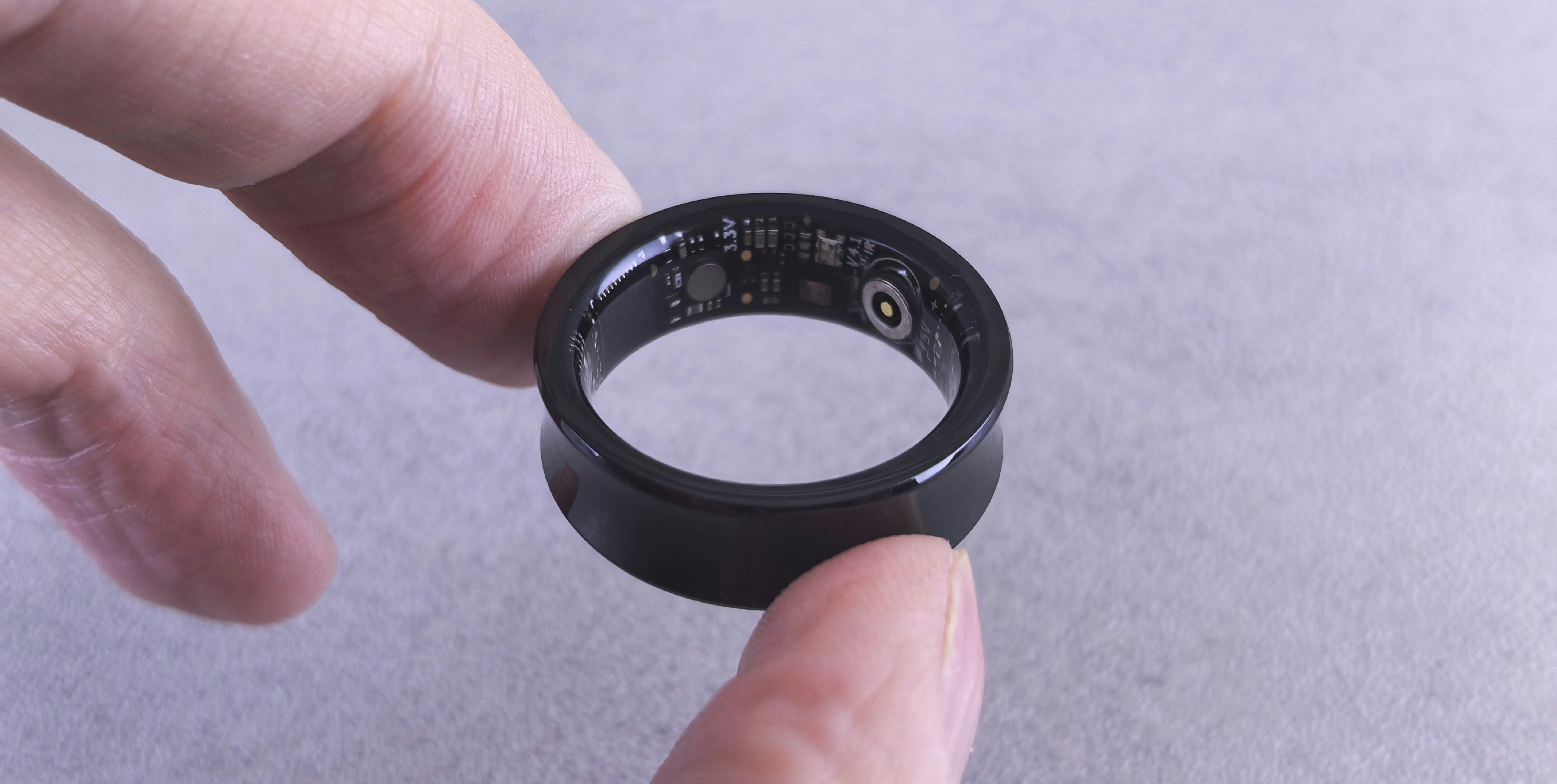
If you already wear a watch, ring, or band and check a “sleep score,” this guide will help you use it more intelligently: which numbers matter most, how to read normal ups and downs, when to tweak habits yourself, and when it’s time to get a clinical evaluation. These recommendations come from the World Sleep Society’s working group on sleep trackers and aim to give everyday users, clinicians, and developers a common language that actually works in real life.
First, know what wearables can—and can’t—do
Most consumer wearables sit on your wrist or finger and continuously capture health-related signals. They’re designed for everyday adults and are regulated as consumer electronics, not medical devices (with limited exceptions such as atrial fibrillation detection or sleep-apnea risk screening). Think of them as a smart navigation aid for health, not a diagnostic report.
Under the hood, sensors (movement, heart rate/HRV, skin temperature, blood oxygen, etc.) are preprocessed on the device, then proprietary algorithms on your phone or in the cloud turn them into sleep and wellness metrics. Because software updates happen, numbers can shift over time. That’s why trend lines beat single-night scores.
Track these “Foundational Sleep Measures” (FSM)
The World Sleep Society encourages all devices to align on a core set of foundational sleep measures and to separate them from experimental or brand-specific extras. For most people, the highest-value signals to follow over weeks are: sleep onset time, wake time, sleep period, total sleep time (TST), sleep latency (SL), wake after sleep onset (WASO), sleep efficiency (SE), naps, and sleep regularity. Night-time resting heart rate (RHR), heart rate variability (HRV), respiratory rate (RR), and oxygen saturation (SpO₂) are also useful.
Two clarifications help a lot: (1) the sleep period (first sleep to final awakening detected by the device) is not the same as time in bed (TIB) (the time you intended to sleep). Sleep period is a better baseline for comparisons. (2) TST is usually the most reliable quantity but becomes less accurate on highly fragmented nights—when SE dips below ~80–85%, expect more error.
Don’t obsess over staging percentages—stabilize your rhythm first
Most trackers infer “light/deep/REM” by blending movement and optical pulse signals. These estimates are getting better in healthy adults but still carry uncertainty. Rather than chasing an extra 5% of deep sleep, aim to stabilize your timing: consistent sleep and wake times, a steady sleep midpoint, and smaller week-to-week swings. Those rhythm markers reflect your body clock and are far easier to improve through behavior.
Fun fact for circadian nerds: with movement alone, algorithms can estimate biological phase (like melatonin onset) to within about an hour. Blending heart rate, skin temperature, and light exposure should make phase estimates even sharper—very promising for night owls, shift workers, and frequent travelers.
When sleep troubles show up, what clues can trackers offer?
If you snore loudly, wake up gasping, or feel excessively sleepy during the day, pay attention to the breathing-related hints in your app—oxygen drops, irregular breathing flags, or high “breathing disturbance” scores. To truly catch the stop-start pattern of sleep apnea, oxygen must be sampled very frequently. Many wearables don’t do that continuously, so a “no abnormality detected” message does not rule out a problem.
Some brands now offer regulated risk screens for moderate-to-severe sleep apnea. A “high-risk” flag is a cue to book a proper home sleep apnea test (HST) or in-lab polysomnography (PSG). No wearable today is approved to diagnose sleep apnea or to grade its severity over the long term.
For insomnia-type complaints, trackers can objectify time spent in bed but awake (SL, WASO), daytime napping, and irregular bedtimes—all central targets in cognitive behavioral therapy for insomnia (CBT-I). Seeing the data reduces the “I felt like I didn’t sleep at all” illusion and helps you and a professional tune the plan.
If you suspect a circadian rhythm disorder, visualizing several weeks of sleep onset, wake time, and sleep midpoint is extremely helpful. In clinic, these are meaningful supporting clues. As phase estimation from heart rate and temperature matures, timing-based diagnosis and treatment will get faster and more precise.
Night-time HR, HRV, and breathing: why after-dark data matters
HRV and respiratory rate are “low-noise” at night. Wear the device snugly and at the recommended site. If you routinely see gaps even during quiet rest, fix fit first; persistent gaps can hint at signal issues—or sometimes genuine physiological irregularity worth checking. Always judge changes against your own baseline and the trend, not a single number.
Choosing a device—and judging “accuracy”
The best device is the one you’ll wear consistently, can afford, and that records clean data. In research, accuracy is judged by tests synchronized with PSG: overall differences in durations, then epoch-by-epoch agreement, and context-specific thresholds for “good enough.” For everyday users, don’t overthink it: different brands use different algorithms, and updates can shift outputs. Be cautious with cross-brand comparisons and lean on your own trends.
Working with healthcare: how close are we to diagnosis?
To flow wearable sleep data into electronic records, companies need to align on those foundational fields (TST, sleep/wake times, WASO, RHR/HRV, etc.) and document minimum data quality. Transparency about AI algorithms, versioning, and bias checking also matters. The field is moving in that direction, but it takes time and collaboration.
Three steps to get more from your tracker
-
Decide what to watch.Keep your dashboard tight: sleep/wake times, TST, SE, sleep regularity, RHR/HRV. Read week-over-week trends, not single nights.
-
Change one thing you control.Try a fixed wake-up time, a short wind-down routine, and less bright light and caffeine late in the evening. Check next week’s data for stability.
-
Set “seek care” triggers.If a regulated screen flags high risk for moderate-to-severe sleep apnea—or you repeatedly see long oxygen dips or breathing irregularities—book an HST/PSG.
One-line takeaway
Treat your wearable like a portable sleep log: focus on standardized foundational measures, validate improvements with simple behaviors, and use alerts as a nudge to get proper testing—not as a diagnosis. Do that, and you’ll sleep better now while helping push the whole sleep-health ecosystem toward clearer, more comparable, and more useful data.
Reference
Chee, M. W. L., Baumert, M., Scott, H., Cellini, N., Goldstein, C., Baron, K., Imtiaz, S. A., Penzel, T., & Kushida, C. A. (2025). World Sleep Society recommendations for the use of wearable consumer health trackers that monitor sleep. Sleep Medicine, 131, 106506. https://doi.org/10.1016/j.sleep.2025.106506