White noise vs pink noise vs brown noise
Compare white, pink, and brown noise for sleep. Learn how each sounds, which bedroom noises it may mask, and how to try it at a low, comfortable volume.
By Caleb Mitchell
City nights have a rhythm that is not designed for deep sleep. Traffic swells, voices drift, a neighbor closes a door, and the soundscape keeps changing. The goal is usually not “more sound,” but fewer disruptions and a steadier night. That is why people end up comparing white noise vs pink noise vs brown noise. If you want a broader foundation on sleep quality, routines, and recovery, start with Sleep.
Why steady noise can help you stay asleep
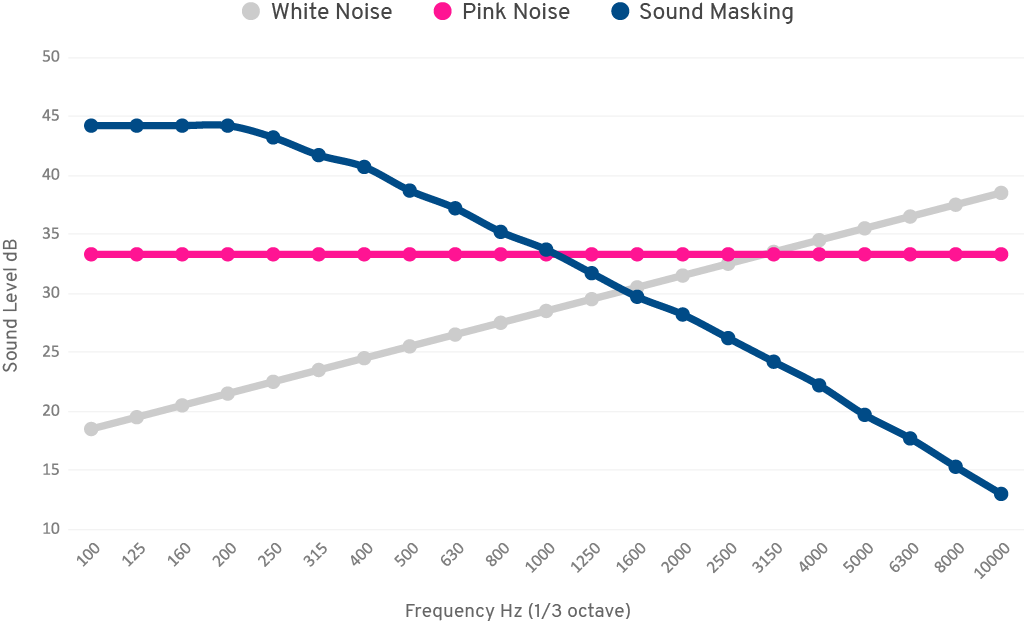
Sleep is not a complete shutdown. Even during the night, the brain continues to monitor the environment for change, and those changes can trigger brief arousals or micro awakenings you may not remember the next morning. A steady background sound can help through sound masking because it reduces the contrast between a quiet baseline and sudden peaks, so disruptive events may feel less salient and are less likely to pull you into lighter sleep. In controlled research, introducing broadband noise has been shown to increase arousal thresholds in noisy clinical environments by narrowing the gap between background and peak sounds, which mirrors the same contrast problem many light sleepers experience at home. For context, see the clinical study on arousal thresholds with background noise on PubMed, and a broader review of sound based interventions during sleep in the NIH hosted full text database at PubMed Central.
White noise, pink noise, and brown noise explained without the jargon
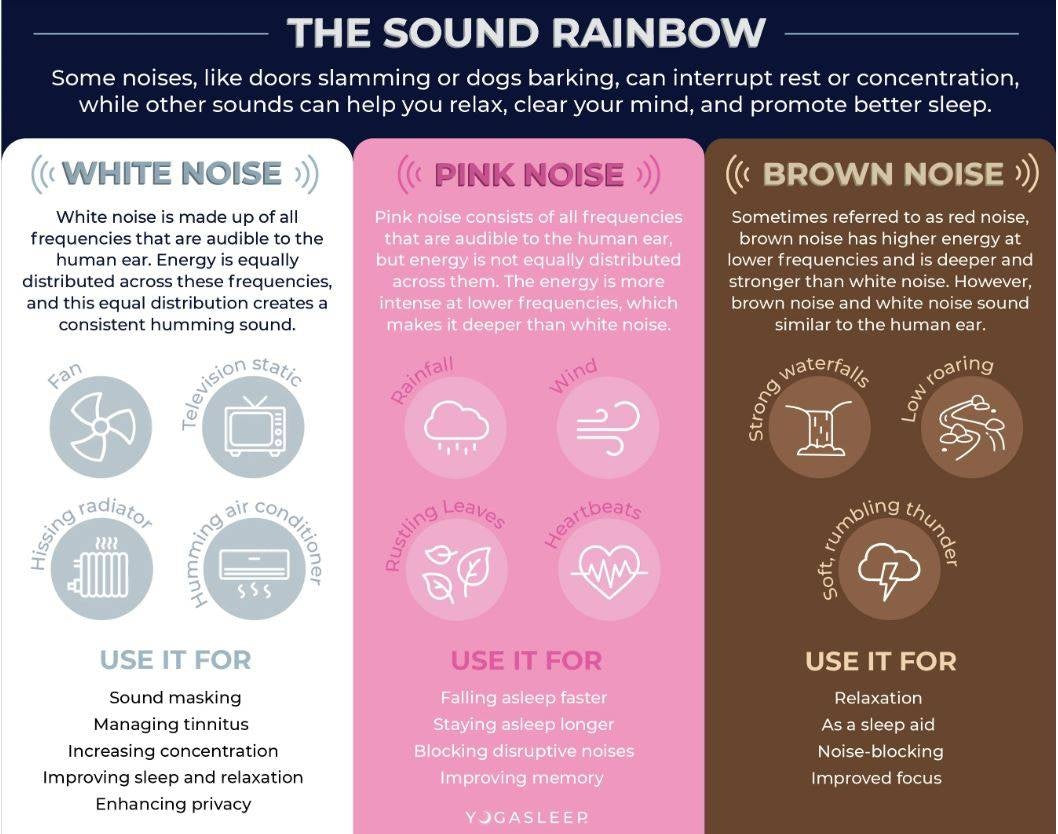
White, pink, and brown noise are all forms of broadband noise, but they distribute energy across frequencies differently, which changes how they feel and what they cover. White noise is more even across the spectrum and often sounds brighter, which may make voices and mixed household noise less distinct. Pink noise emphasizes lower frequencies relative to higher ones, so it often feels smoother and more tolerable for hours, and many people describe it as rain like. Brown noise leans further into low frequencies and can feel deeper, which may blend well with persistent low hums like HVAC, fans, or distant traffic. The practical point is not the physics term. It is whether the sound you choose becomes a stable background layer your brain can ignore. For a consumer friendly, clinically oriented overview, see Harvard Health on white noise and sleep.
How to choose the right noise for your bedroom
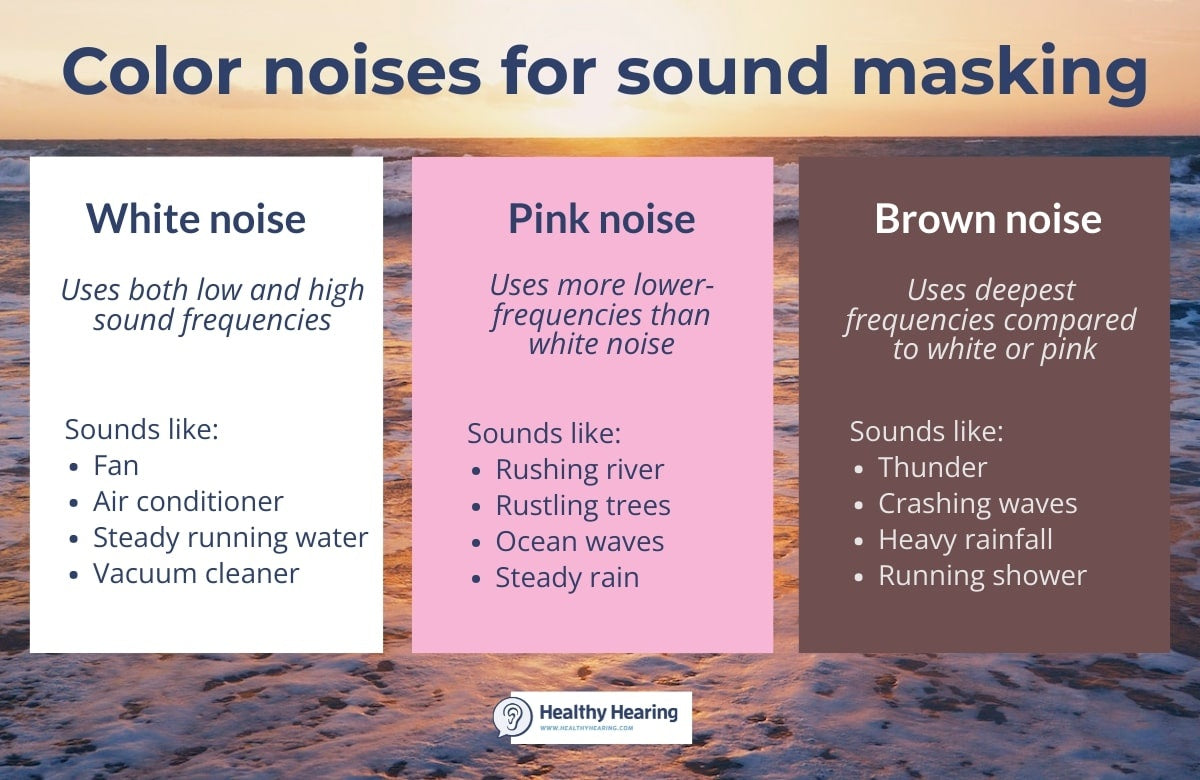
The best noise color depends less on internet opinions and more on what keeps waking you up. If your main disruptor is voices, TV, or irregular household sounds, white noise is often a practical first trial because it can reduce speech intelligibility and attention capture. If you are a light sleeper who finds white noise sharp or irritating, pink noise is often easier to tolerate across the night while still supporting masking. If your room has a persistent low frequency rumble such as ventilation, HVAC, or distant traffic, brown noise can blend with that hum and make the overall sound field feel more uniform. If you want to improve the setup beyond audio alone, The importance of a healthy sleep environment integrates sound, light, and bedroom factors in a practical way.
What works in real life and what usually backfires
The most common mistake is using volume as a weapon. Louder is not better. If the sound stays “present,” it can become its own stimulant, and higher volumes increase exposure over time. A more evidence aligned approach is conservative and consistent: keep the volume low, keep playback steady, and avoid frequent switching between tracks or noise colors during the night. Place speakers away from the head if you are using an external source, and treat noise as one layer of a complete sleep system rather than the entire solution. Public health guidance links higher nighttime noise exposure with worse sleep and health outcomes, which is why reducing peaks and improving the bedroom environment matters. For reference, see WHO Night Noise Guidelines. If you want an extra cautious framing on sound exposure principles, the American Academy of Pediatrics summarizes risk considerations in AAP noise exposure guidance.
Where SomniPods 3 and AI Coach fit into a noise plan
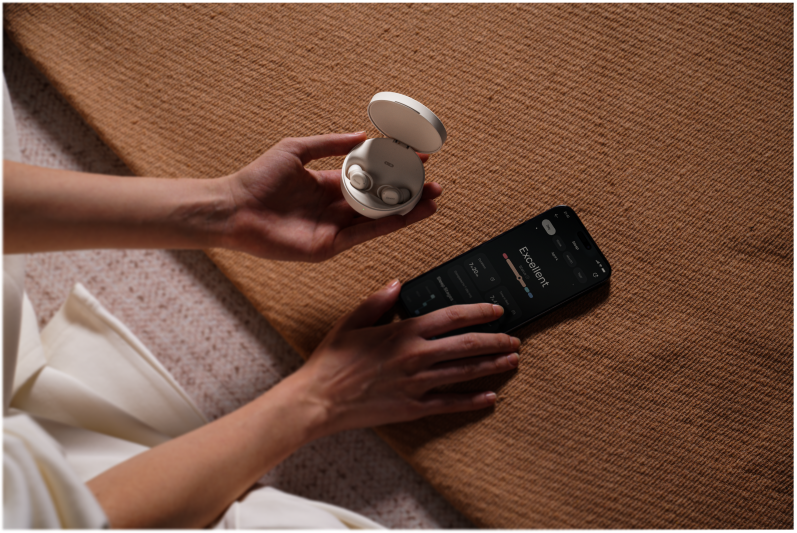
Many people start with a phone speaker or bedside machine and run into the same tradeoff: loud enough to mask, but it disturbs a partner, or quiet enough to share the room, but it does not stabilize the sound environment consistently when you roll over. SomniPods 3 are designed for sleep, so you can keep a consistent masking layer closer to you without filling the whole room, and the fit is built for overnight comfort, including side sleeping. What makes the system more than “just earbuds” is the ability to turn experimentation into a repeatable plan. Paired with the Fitnexa App, AI Coach can help connect your sleep data to a simple Tonight Plan so you reduce guesswork about when sound support helps most and how to structure your wind down around it. If you want a grounded take on what tracking can and cannot do, Sleep tracker apps do they actually help offers a helpful baseline.
Final thoughts
White noise, pink noise, and brown noise are different tools for the same goal: improving sleep continuity by making your sound environment more stable. White is often a strong first choice for mixed noise and voices, pink is often easier for long listening, and brown can be a better match for low hum. Keep the method calm and measurable by using low volume, steady playback, consistent timing, and a stable bedroom setup.
Explore SomniPods 3 here: Shop SomniPods 3
If you want guidance that adapts to your sleep patterns instead of generic tips, you can also start here: Fitnexa App and AI Coach
Small noises wake me up at night Sleeping in a noisy apartment what helps ANC vs sound masking for sleep