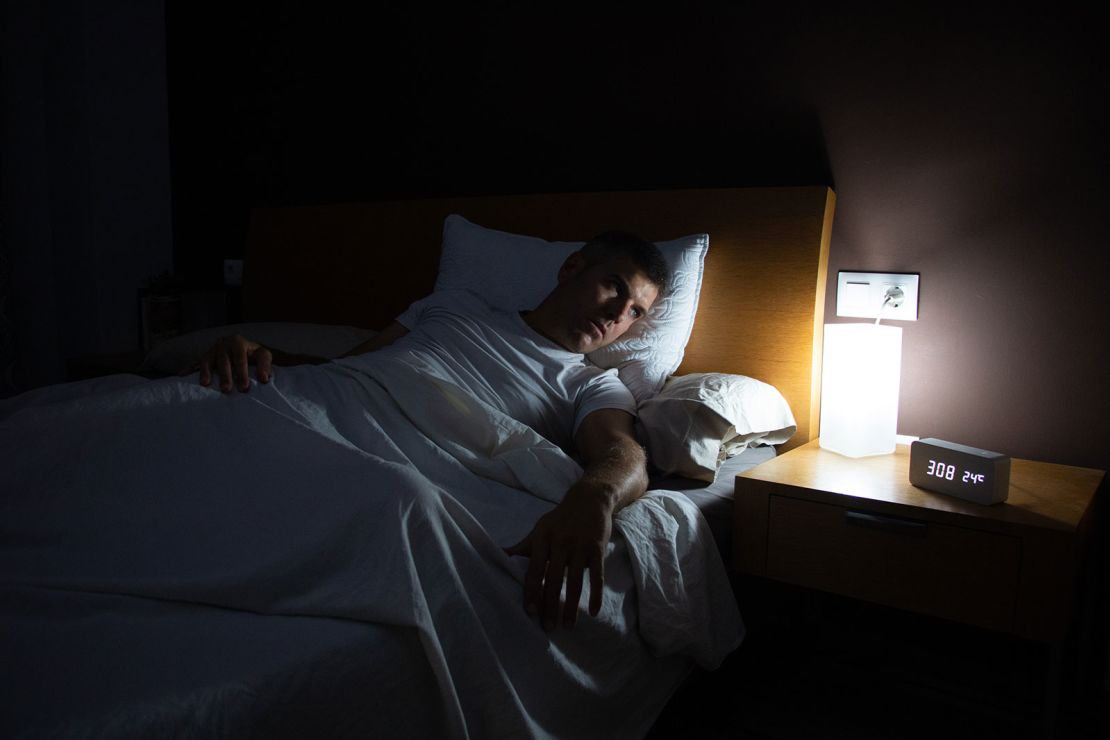
If you often wake up from faint sounds, slight shifts in light, or a partner turning over, you are not alone. Many people are naturally more sensitive to environmental changes during sleep, a pattern sometimes described as having a lower arousal threshold. This means the brain interprets minor sensory signals as meaningful and moves you closer to wakefulness before you realize it. Light sleep is not a fixed trait, and understanding the mechanisms behind these awakenings may help you create a more stable and restorative sleep experience over time.
Why light sleepers wake up so easily
Light sleepers frequently experience heightened sensory responsiveness along with a nervous system that remains partially alert during the night. Research from the National Institutes of Health suggests that micro awakenings can occur when the brain detects shifts in sound, temperature, internal stress cues, or early morning light exposure, making sleep continuity more vulnerable. The Centers for Disease Control and Prevention also notes that light influences circadian timing, which may increase early awakenings when exposure occurs at sensitive periods. As sleep becomes fragmented, individuals spend more time in lighter sleep stages, which increases the likelihood of waking again. For a deeper foundation on how sleep architecture influences recovery, you can explore Sleep.
The triggers that matter most
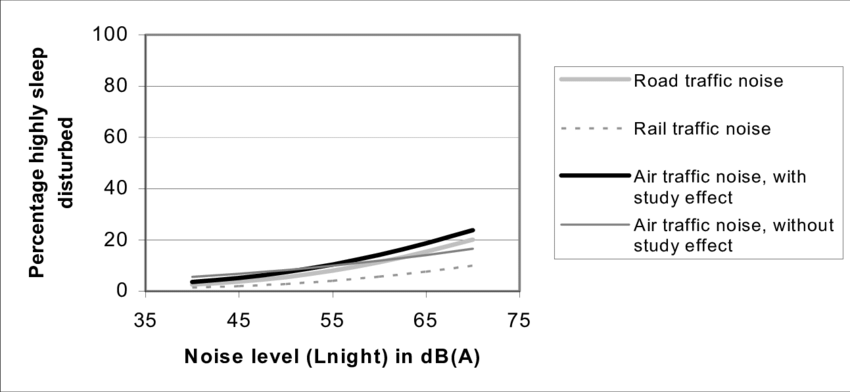
For many light sleepers, the primary issue is not loud noise but variability. Sudden sound peaks such as a door latch or a brief snoring spike can create abrupt contrast changes that the brain may interpret as important. Harvard Health notes that even low level noise variation can influence sleep stability. Light exposure, especially in early morning hours, can further disrupt circadian rhythms, which you can explore in The Role of Light Exposure in Regulating Sleep Wake Cycles. Temperature swings, irregular sleep timing, caffeine or alcohol late in the day, and long or late naps can elevate physiological arousal and make awakenings more likely. Strengthening the sleep environment can improve resilience against these triggers, as described in The Importance of a Healthy Sleep Environment.
A Tonight Plan for sleeping through the night
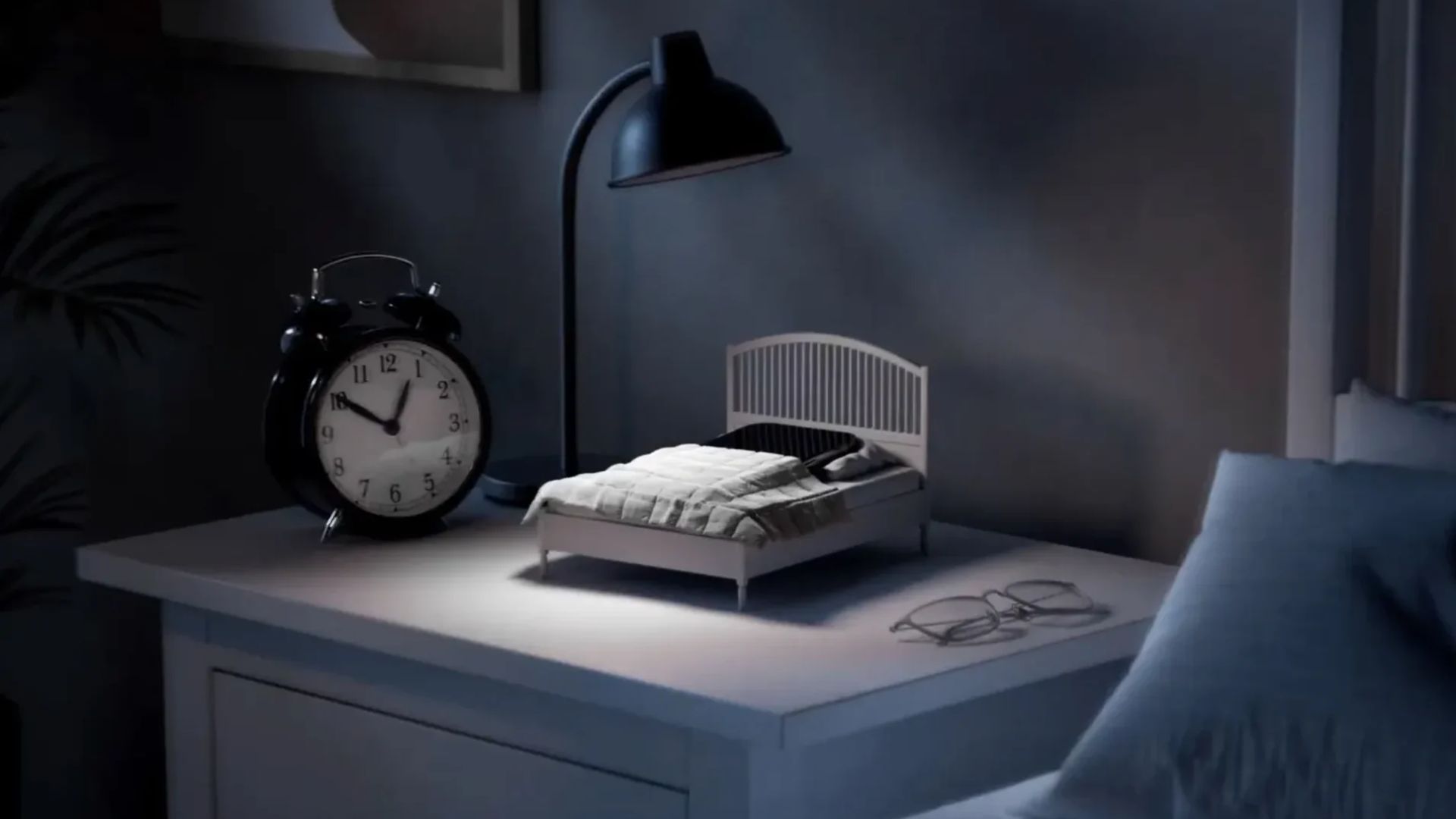
A helpful starting point is to reduce sensory unpredictability and create a sleep environment that feels steady and familiar. This may include darkening the room, keeping devices away from the bed, and maintaining a cool, stable temperature. Managing noise is another important component. Earplugs may work for occasional disruptions, consistent background audio can smooth contrast changes, and sleep earbuds can support environments with frequent unpredictable noise. To reduce physiological arousal, dedicating ten to fifteen minutes to gentle stretching or slow breathing can be useful. If you want guided examples, explore The Best Bedtime Stretches for Better Sleep. Earlier and shorter naps can help maintain nighttime sleep pressure, and you can learn more from How to Nap Effectively Without Disrupting Nighttime Sleep. Evening dietary choices may also influence arousal levels; for guidance, see Foods to Avoid Before Bedtime.
When frequent wake ups may need extra help
If awakenings occur most nights, if daytime fatigue becomes significant, or if symptoms such as loud snoring or breathing irregularities are present, it may be helpful to explore underlying conditions beyond light sleep. The American Academy of Sleep Medicine notes that insomnia, sleep apnea, and circadian rhythm disorders can present with repeated night awakenings. A detailed overview of these patterns is available in Common Sleep Disorders and Next Steps. Guidance from Mayo Clinic further emphasizes that recognizing these signs early can support more effective management strategies.
Where SomniPods 3 fit for light sleepers
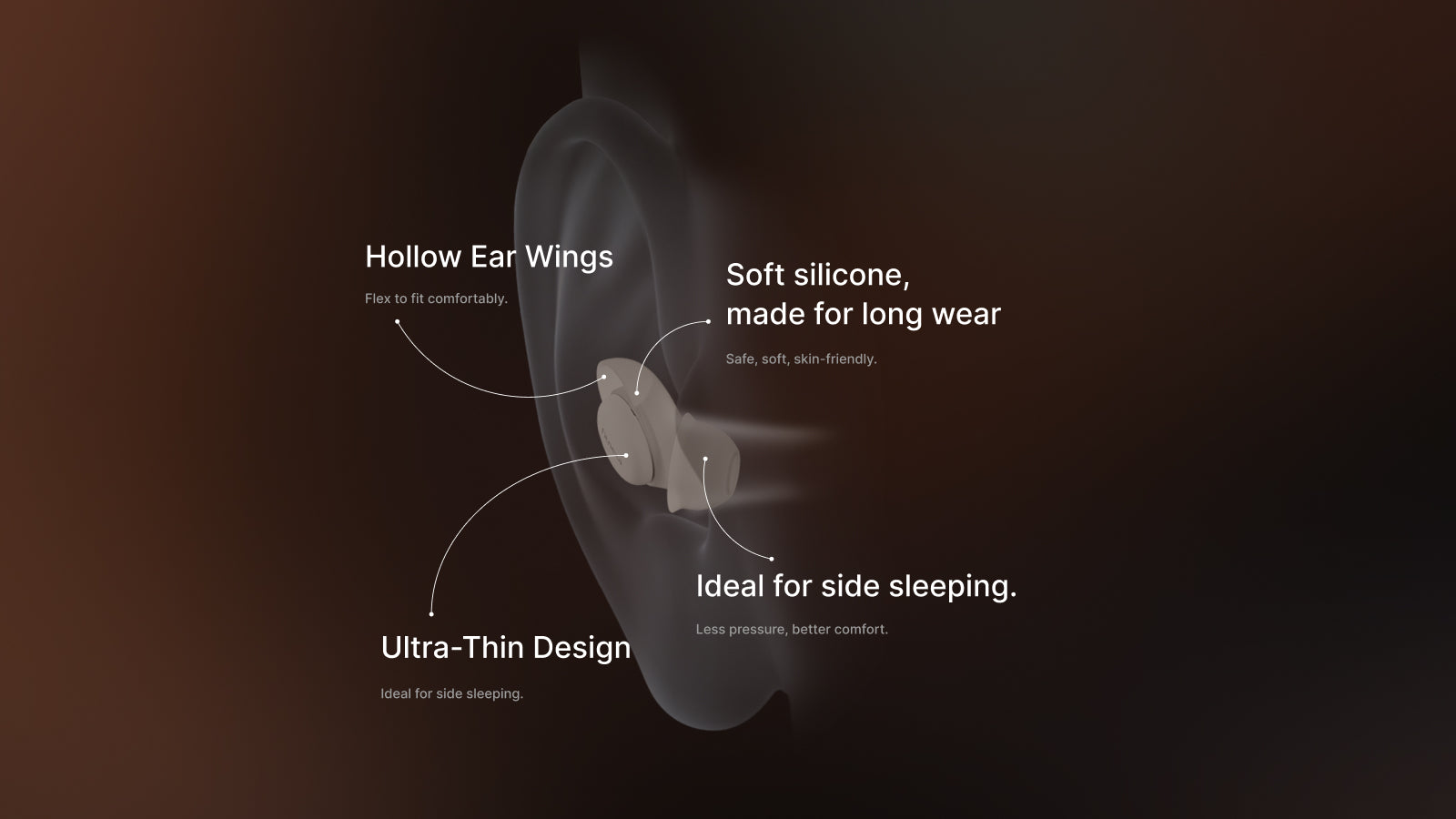
When noise is a primary trigger, the goal is often not complete silence but a more stable acoustic environment that limits sudden contrast shifts. Fitnexa SomniPods 3 are designed to support sleep comfort and may help reduce the impact of unpredictable noise for individuals sensitive to acoustic changes. You can learn more about the product here: Shop SomniPods 3. Pairing sound support with awareness of your sleep patterns can make improvements easier to maintain, and the Fitnexa App offers tools that help identify recurring triggers through real world data. You can explore these options in Fitnexa App and AI Coach.
Final thoughts
Light sleepers tend to wake more easily because the brain responds quickly to shifts in the environment, but this sensitivity can be shaped over time. By reducing sudden sensory changes, reinforcing predictable sleep cues, and adjusting one variable at a time, you can build a more continuous and restorative sleep pattern. If noise is the factor that disrupts you most consistently, SomniPods 3 and the Fitnexa App may offer supportive tools that contribute to a steadier and more comfortable night.