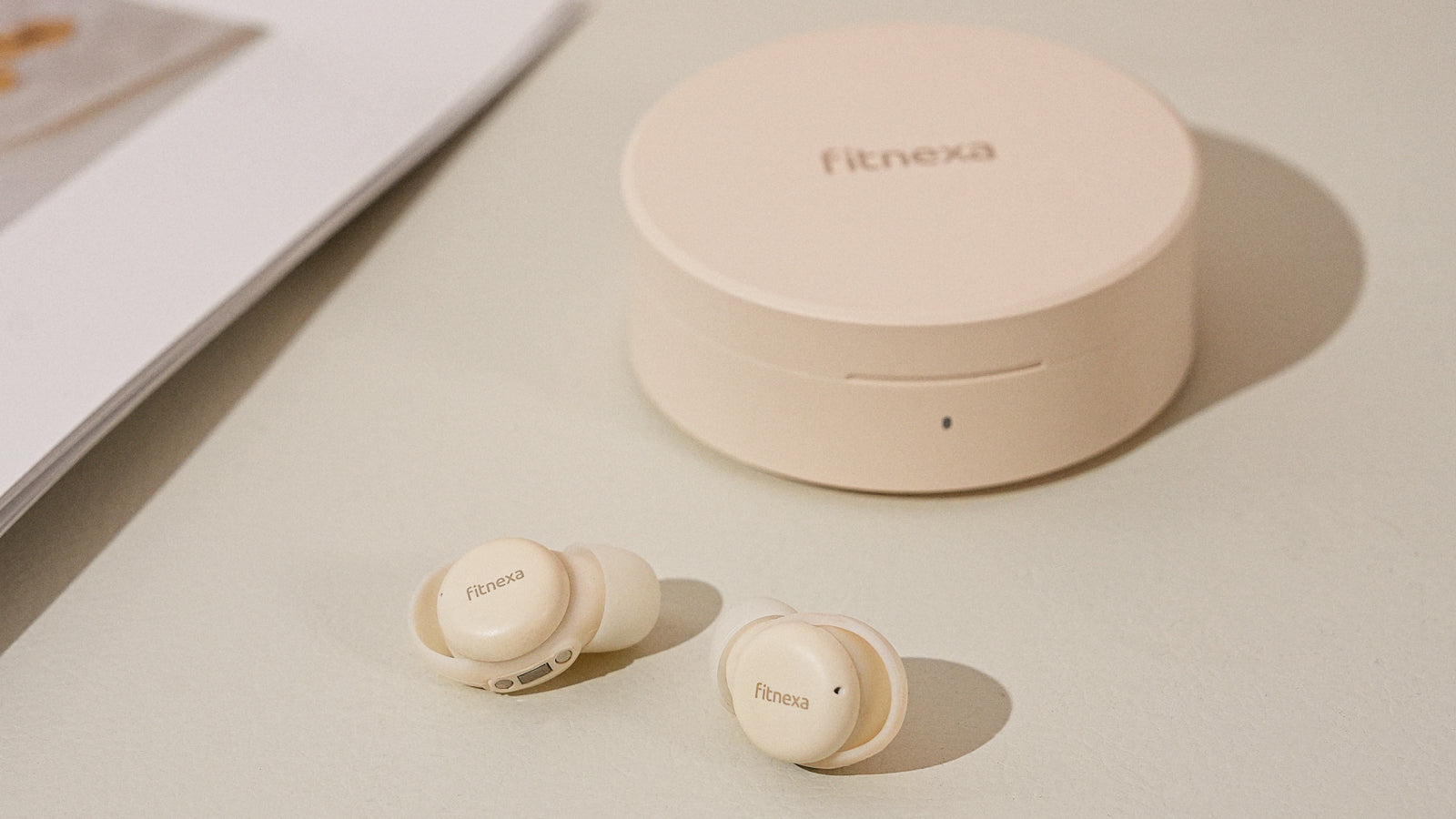
If you’ve ever thought about wearing earbuds to bed but paused mid-click because you worried whether they might harm your ears or leave you unaware of what’s happening around you, you’re far from alone. Many people hesitate at the idea of wearing a device in their ear for hours because prolonged exposure to loud sound can contribute to hearing fatigue and other ear health concerns if not managed responsibly, and even noise cancelling technology isn’t a free pass to ignore the world outside. But the question “are sleep earbuds safe?” becomes clearer once you separate myth from physiology and look at what science says about volume thresholds, environmental awareness and the differences between devices engineered for overnight use and everyday earphones.
Are sleep earbuds safe to wear all night, and what actually determines safety?
In practice, safety depends less on the fact that something is in your ear and more on three factors: listening volume, overnight comfort and fit, and how sound stability affects the sleeping brain. If you want a broader foundation on sleep continuity and environmental stability, begin with the Sleep overview here: Sleep.
How the sleeping brain responds to sound
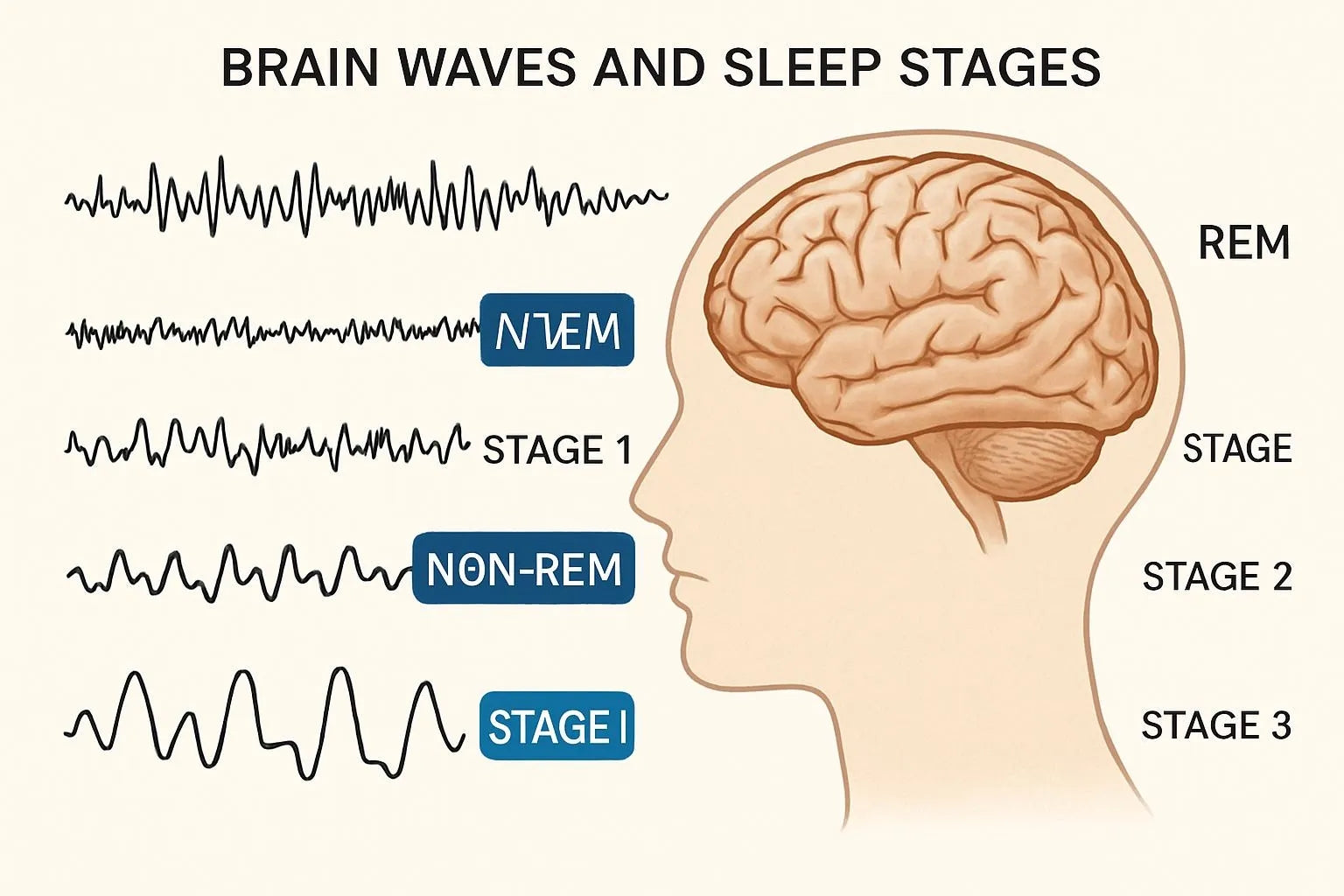
Sleep is not a sensory shutdown. Even during non REM sleep, the brain continues to monitor environmental input, and abrupt changes in sound can trigger micro arousals that fragment sleep without being fully remembered. This is why many people feel they slept all night but still wake unrefreshed. Sound masking works by reducing contrast between baseline quiet and sudden peaks, which raises the arousal threshold required for disturbances to break sleep continuity. If you are someone who wakes easily from small noises, this deeper explanation may help: Why light sleepers wake up so easily. For clinical background, see the American Academy of Sleep Medicine: AASM.
Hearing safety comes down to volume, not wear time
The main driver of hearing risk is sound intensity. Public health guidance generally emphasizes that prolonged exposure to high decibel levels increases risk, while moderate background level sound is typically tolerated by healthy ears. Sleep earbuds are usually used for low volume playback such as white noise, pink noise, or nature soundscapes, and the conservative approach is simple: keep the volume low enough that it fades into the background rather than demanding attention. If your room is already noisy, improving the overall sleep environment often makes any solution work better. Here is a helpful guide: The importance of a healthy sleep environment. Authoritative references: WHO safe listening, CDC hearing health.
Comfort and side sleeping depend on design
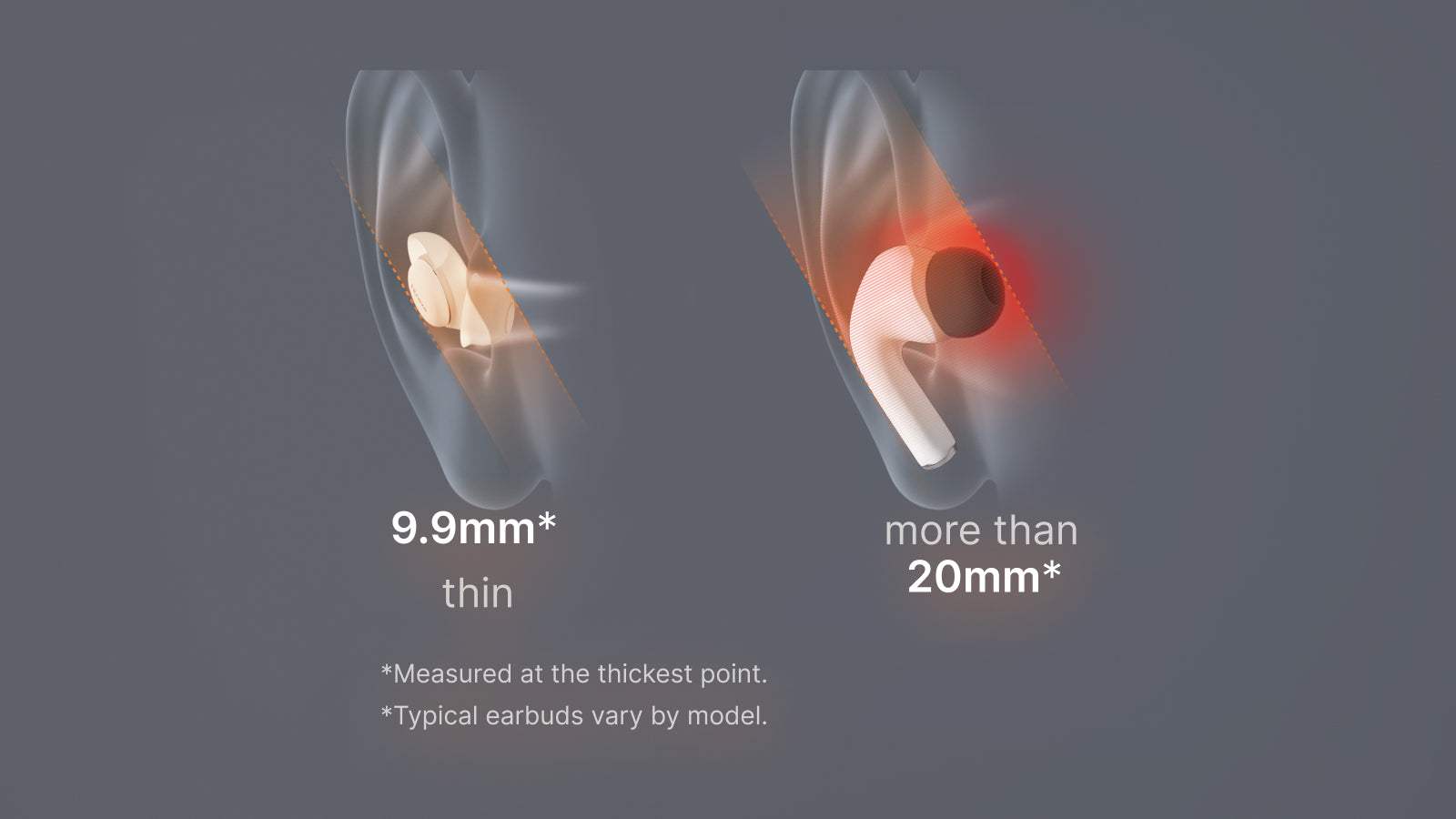
For many users, the biggest practical issue is not hearing, but discomfort. Devices not designed for overnight wear can create pressure points, especially for side sleepers, and repeated pressure can lead to soreness or frequent repositioning that disrupts sleep. Purpose built sleep earbuds are typically designed with a low profile shape, soft skin friendly materials, and lightweight construction so they sit flush with the ear rather than pressing deeply into the canal. If you want help choosing based on sleep position, explore this related guide: Best sleep earbuds for side sleepers.
Can you still hear fire alarms or emergency alerts?
This is a common and valid concern. Fire alarms and smoke detectors are intentionally engineered to cut through sleep. In many regions, these alarms are designed to emit sound levels commonly in the range of 85 to over 100 decibels, using sharp and concentrated frequencies that are difficult for the brain to ignore even during deep sleep. By comparison, sleep earbuds use sound masking and or moderate active noise cancellation to reduce continuous background noise such as traffic or ventilation hum. SomniPods 3 can reduce background noise by up to 42 dB, which is intended to make ongoing disturbances less noticeable rather than eliminate powerful warning signals. Because emergency alarms operate at substantially higher sound intensity than the attenuation range used for sleep, they are designed to break through background audio and wake users when necessary. Keeping playback volume at moderate levels further supports awareness of critical sounds in your environment. For safety background, see: NFPA.
Sleep earbuds are not a treatment for every sleep problem
Sleep earbuds can be a helpful tool when environmental noise is the main driver of sleep fragmentation, but they are not a substitute for evaluating persistent insomnia, stress related hyperarousal, or breathing related sleep disruption. If awakenings continue even when your sound environment is stable, it may be worth reviewing other common causes and next steps: Common sleep disorders and how to address them. If you are comparing approaches, this overview may also help: ANC vs sound masking for sleep.
Where Fitnexa SomniPods 3 and AI Coach fit into safer sleep
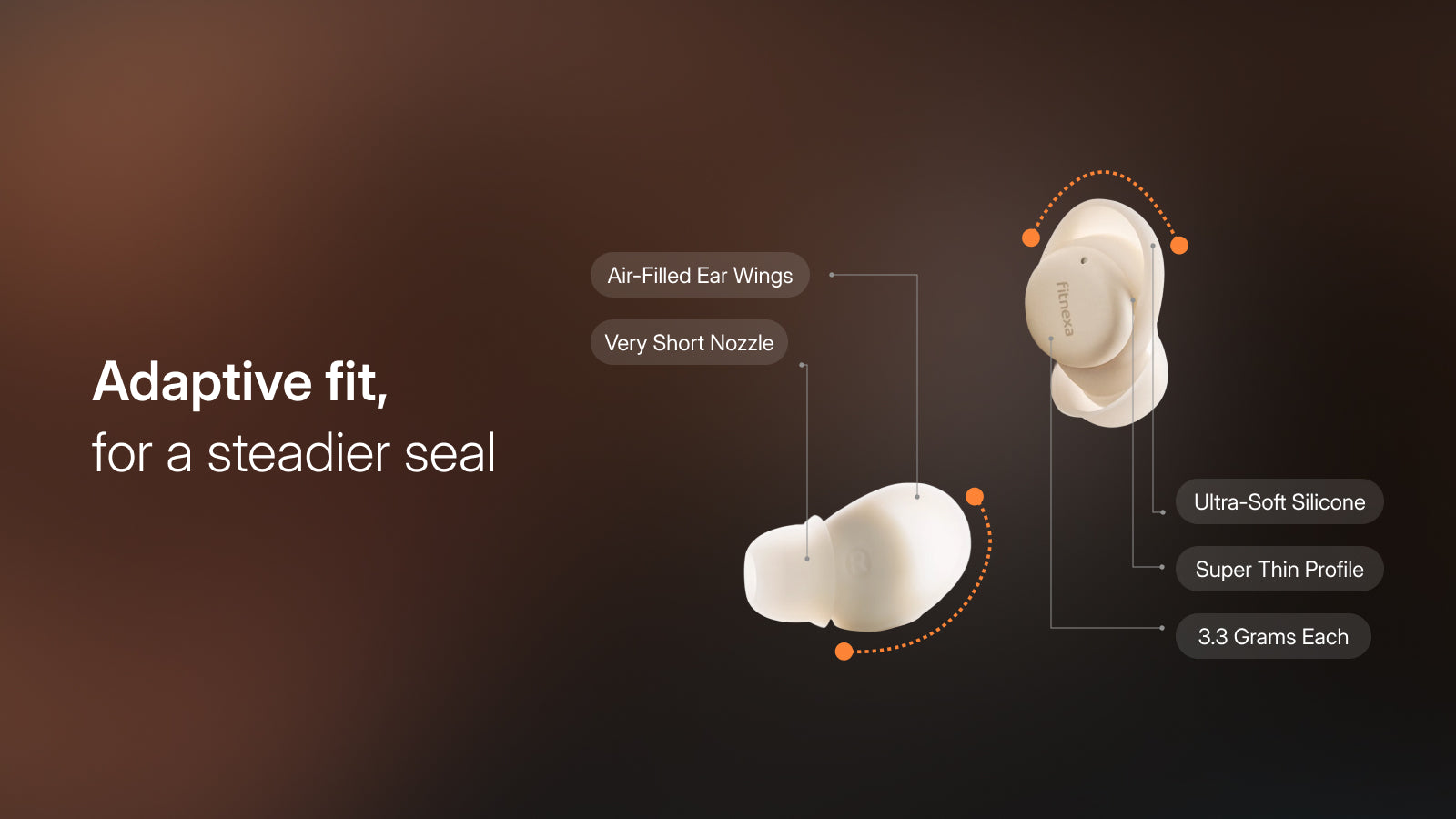
SomniPods 3 are designed specifically for sleep environments where comfort and consistency matter. By placing a controlled masking layer close to the ear, they reduce the need for high room volume while keeping sound support stable even when you change positions overnight. Active noise cancellation can be manually turned off, or set to switch off automatically after you fall asleep, including a one hour option or a custom time you choose. Paired with the Fitnexa App, AI Coach adds a data informed layer that turns patterns into a simple Tonight Plan, helping you understand when sound support is most effective and when other adjustments may matter more. Explore SomniPods 3 here: Shop SomniPods 3. Fitnexa App and AI Coach support: Fitnexa App and AI Coach.
Final thoughts
Sleep earbuds are safe when used responsibly: keep the volume low, choose a design meant for overnight comfort, and treat sound as a tool for stabilizing sleep rather than overpowering it. Most problems come from excessive volume, poor fit, or using devices that were never built for side sleeping. If noise is what keeps pulling you out of sleep, a purpose built system can make a meaningful difference. Explore Fitnexa SomniPods 3 for quieter nights and more consistent rest, and download the Fitnexa App to get personalized sleep guidance from AI Coach.