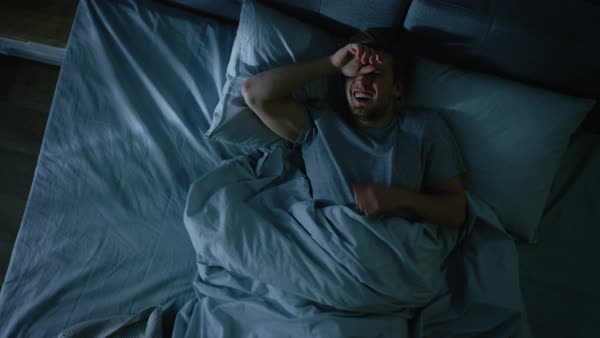
If you are a light sleeper, you may not need loud noise to wake up. A door latch, distant traffic, a partner shifting, or a neighbor’s TV can be enough to interrupt sleep, especially in the second half of the night when sleep tends to be lighter. When people look for the best sleep earbuds for light sleepers, they are often trying to reduce disruptions and protect sleep continuity, not chase perfect silence. If you want a simple foundation on how sleep works and why consistency matters, start with Sleep, then return here to evaluate what features actually matter for noise prone nights.
Why light sleepers wake up so easily
Sleep is an active neurological process, not a complete shutdown. Across the night, the brain continues to monitor sensory input, and sudden changes in sound can trigger micro arousals even when you do not fully remember waking. In practical terms, light sleepers often have a lower arousal threshold, so small environmental shifts are more likely to fragment sleep. Over time, repeated fragmentation is associated with feeling less restored the next day, even if time in bed looks adequate. This pattern is explained in more detail in Why light sleepers wake up so easily, and it aligns with broader sleep education from NHLBI sleep health guidance, which emphasizes that sleep quality and continuity matter alongside total hours.
What sleep earbuds are designed to do for light sleepers
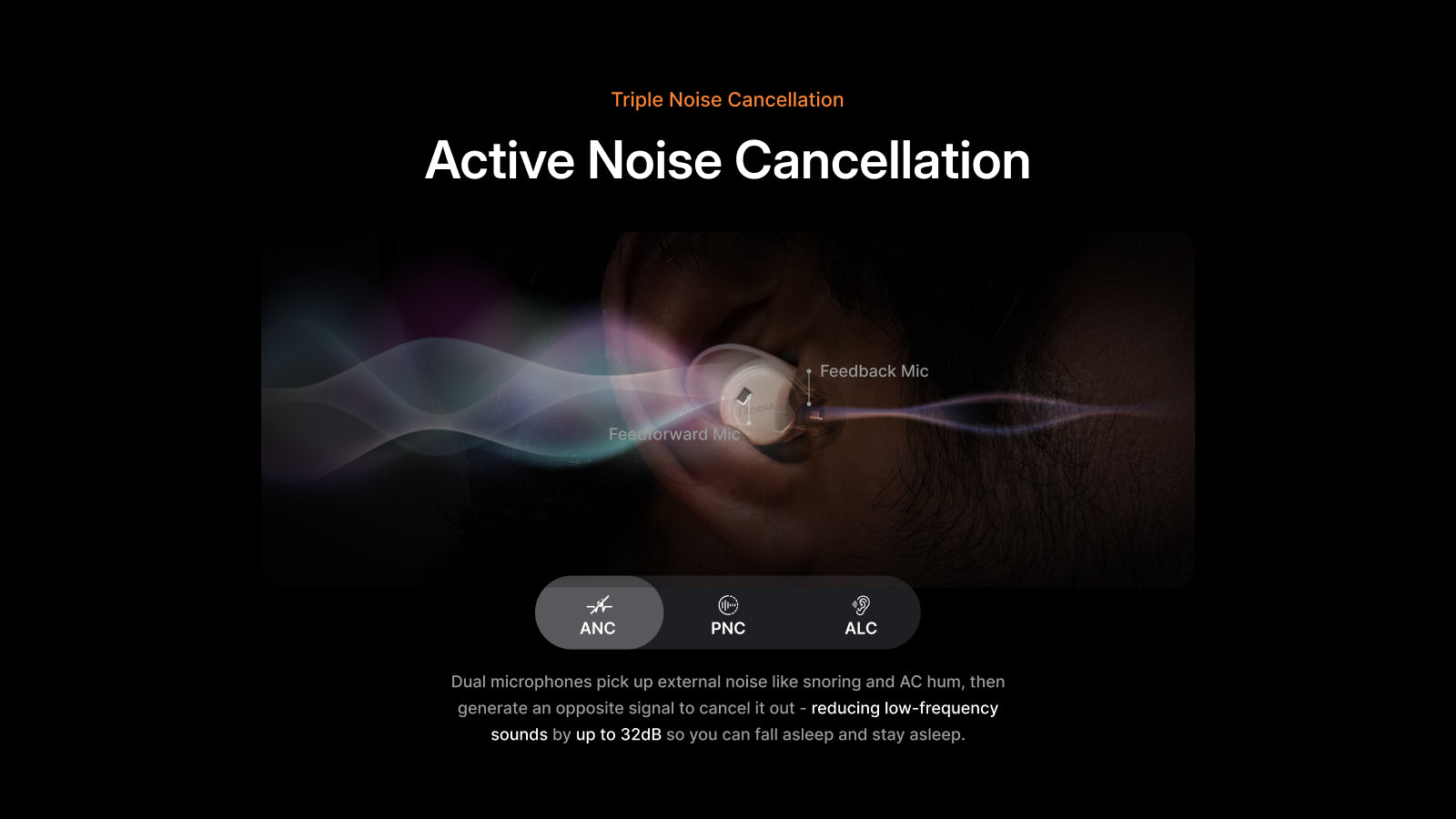
The most sleep relevant benefit of sleep earbuds is often sound stability, not entertainment level audio. Many awakenings are triggered by contrast, the jump from a quiet baseline to a sudden peak, rather than volume alone. Sleep earbuds can help by supporting sound masking, introducing a steady background layer that makes irregular disturbances less salient to the sleeping brain. This idea is consistent with how clinical sleep education describes environmental triggers and arousal, and it fits with the conservative principle used in sleep hygiene advice: reduce disruptive changes and keep the bedroom environment steady. For a practical comparison of approaches, ANC vs sound masking for sleep explains why “blocking” and “stabilizing” are not the same goal, and why different noise profiles can require different strategies.
Key criteria for the best sleep earbuds for light sleepers
For light sleepers, comfort and continuity matter as much as sound strategy. The best sleep earbuds are typically low profile so they do not create pressure points during side sleeping, and they use soft materials that stay comfortable across long wear time. Battery life and playback stability also matter because abrupt cutoffs can be interpreted as a change in the environment, which may increase the likelihood of waking. Importantly, stronger noise control is not automatically better if it increases pressure, shifts fit overnight, or creates a “too quiet” baseline that makes residual sounds feel sharper. In noisy homes, it can also help to address the environment itself, because fewer peaks in the room means less work for any device, and The importance of a healthy sleep environment offers a practical checklist for that layer.
How to use sleep earbuds safely and effectively
Evidence around masking and noise control is meaningful but nuanced, and outcomes vary by sensitivity, environment, and volume. A conservative approach tends to be most practical: use the lowest effective volume, keep playback steady, and avoid turning sound into stimulation. If you notice the audio pulling your attention rather than fading into the background, lowering volume is often a reasonable first adjustment. General sleep health guidance from CDC sleep recommendations supports a broader focus on consistent routines and a sleep supportive environment, while clinical resources such as Mayo Clinic sleep tips reinforce that sleep tools work best when they complement, rather than replace, foundational habits.
Where SomniPods 3 fit for light sleepers
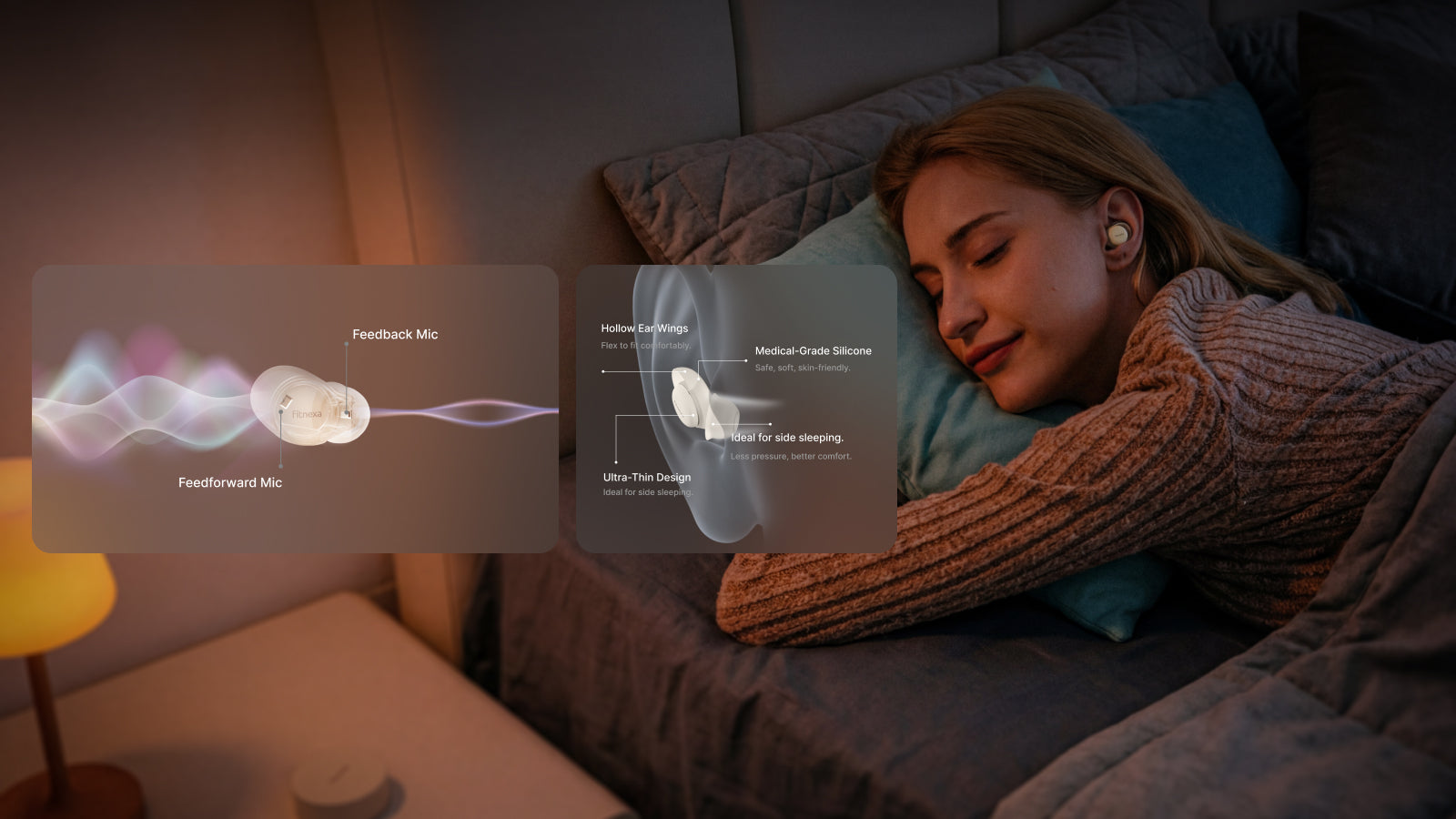
For many light sleepers, the most disruptive sounds are not sharp spikes but steady low-frequency noise. Snoring, air conditioning hum, distant traffic, or ventilation systems create a continuous acoustic layer that the brain keeps monitoring throughout the night. Over time, this steady stimulation can reduce sleep depth and increase the likelihood of micro-awakenings. SomniPods 3 use a triple noise control system that combines physical isolation with dual-microphone ANC technology. The forward and feedback microphones detect external low-frequency sound and generate an opposing signal to reduce it in real time. The goal is not complete silence. Instead, it is to reduce the background load on the nervous system so that the brain has fewer signals to process during lighter sleep stages. When paired with steady sound masking, ANC helps create a more stable auditory environment, especially in shared bedrooms or noisy urban settings.If you want to review the product details in context, you can start with Shop SomniPods 3, and if you prefer the guidance layer first, see Fitnexa App and AI Coach.
Final thoughts
The best sleep earbuds for light sleepers are not defined by the strongest claims on a product page, but by how well they support sleep continuity: stable sound, stable comfort, and stable routines. If you wake easily from small noises, focus on reducing abrupt sound contrast, keeping volume conservative, and improving the environment where you sleep. When noise remains a frequent trigger and comfort becomes the deciding factor, sleep specific earbuds may be a practical step toward fewer awakenings and more restored mornings. If you suspect broader sleep health factors may be contributing, this overview can help you evaluate next steps with a balanced lens: Common sleep disorders and next steps.