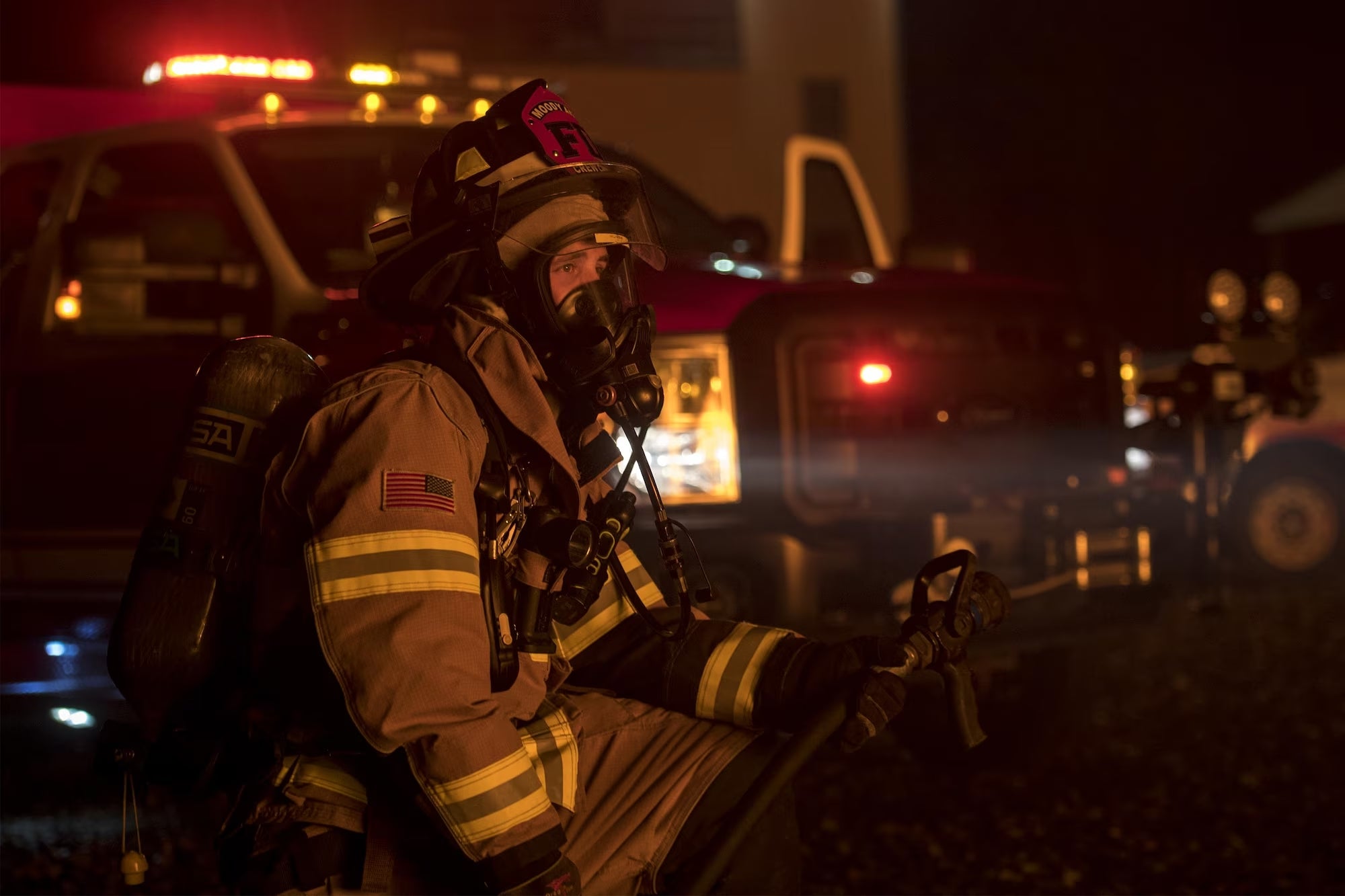
Firefighter sleep deprivation is often less about having no chance to sleep at all and more about rarely getting a stable, uninterrupted sleep window during a 24-hour shift. Station alarms, shared sleeping quarters, unpredictable call volume, and the body's constant state of readiness make restorative sleep hard to achieve even when there is technically time to lie down.
The core problem is sleep continuity. When sleep is repeatedly broken, recovery becomes less reliable even if total time in bed looks reasonable on paper. That is more than an inconvenience. Poor sleep in firefighters is associated with slower reaction time, impaired decision-making, higher injury risk, and long-term health strain. It also reflects a broader shift worker sleep problem shared by nurses, EMTs, police officers, caregivers, and others trying to recover in environments where sleep is possible, but not truly stable.We explore that recovery pattern more directly in how fragmented sleep affects recovery.
Why Firefighter Sleep Deprivation Happens
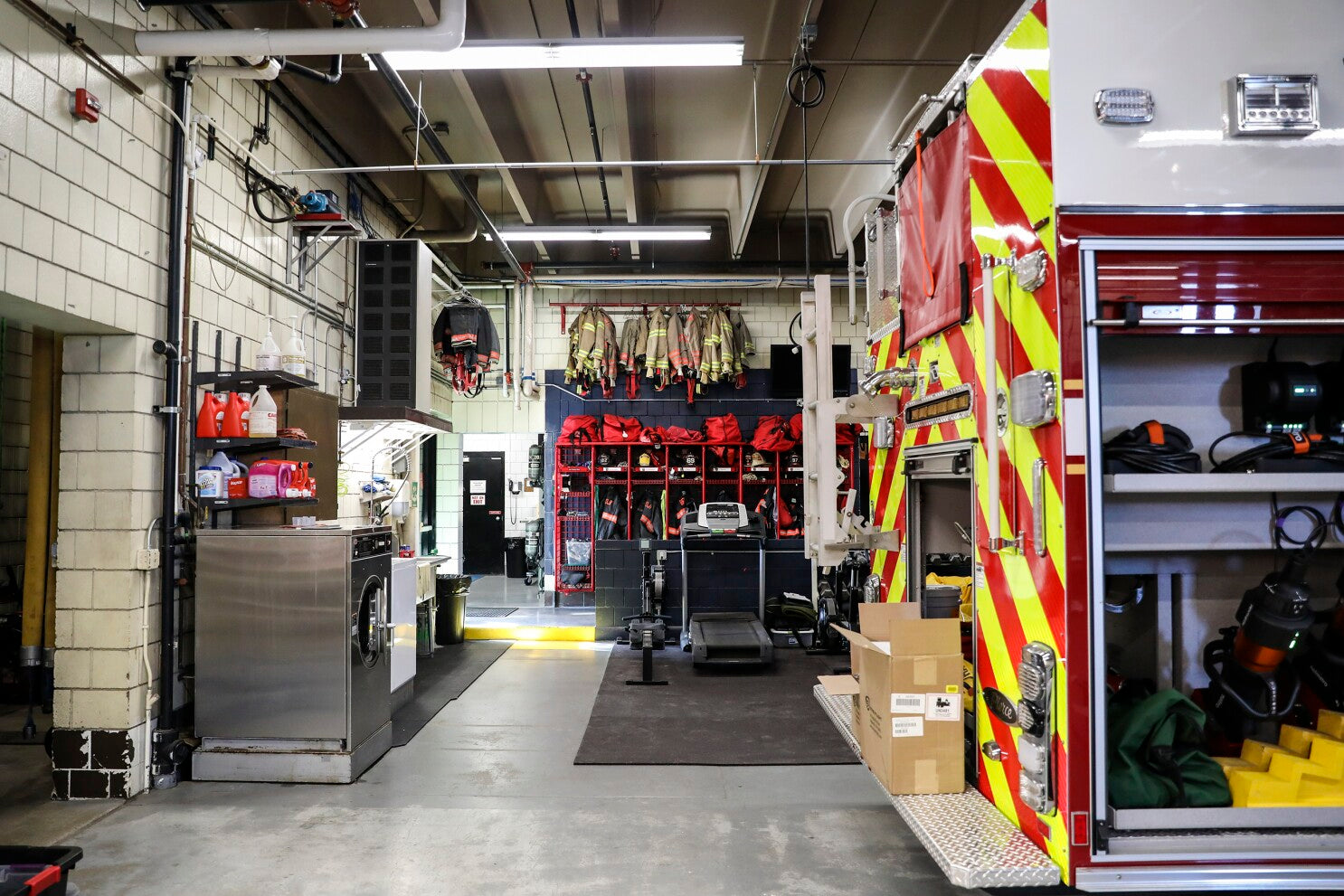
Firefighter sleep deprivation usually comes down to four overlapping barriers.
1. Sleep is fragmented by the structure of the job
Firefighters often work 24-hour shifts, and some departments use even longer schedules. Calls can come in at any time, which means sleep is broken into short, unpredictable windows instead of one continuous period of rest.
2. Fire station sleep is noisy and unpredictable
Apparatus bay doors, HVAC systems, radio traffic, dispatch tones, bunkmates, and medical devices like CPAP machines all add noise. Even when the station is relatively quiet, the environment is rarely steady for long.
3. Hypervigilance makes it hard to fully power down
After a medical call, structure fire, or traumatic event, adrenaline does not disappear on command. The body needs time to shift out of response mode, and firefighters may not have enough uninterrupted time to do that before the next call.
4. Shift schedules work against circadian rhythm
Human sleep is easier when the body can expect consistent sleep and wake times. Rotating schedules and overnight duty create a chronic mismatch between work demands and biological recovery.
Shift Work vs. Typical Sleep
| Factor | Typical Sleep | Firefighter / Shift Work Sleep |
|---|---|---|
| Sleep continuity | Mostly uninterrupted | Frequently broken |
| Noise environment | More controlled and predictable | Variable and disruptive |
| Brain state | More fully disengaged | Partially alert |
| Recovery quality | More consistent | Often reduced even when time in bed exists |
The difference is not just duration. It is stability. In real-world shift settings, sleep may be available without being reliable enough to support full recovery.
What the Research Says About Firefighter Sleep Problems
The scale of sleep deprivation in the fire service is not anecdotal.
Across firefighter sleep research, the pattern is consistent: sleep disruption in the fire service is widespread and clinically meaningful. Research published in the Journal of Clinical Sleep Medicine has found that a substantial portion of firefighters meet criteria for at least one sleep disorder, including obstructive sleep apnea, insomnia, or shift work disorder.
Operational guidance points in the same direction. FEMA and the U.S. Fire Administration have linked sleep deprivation in the fire service to increased injury risk, reduced alertness, and poorer on-scene decision-making. The National Fire Protection Association has also reported that cardiac events remain a leading medical cause of firefighter fatalities, which adds urgency to any factor that increases strain on recovery and cardiovascular health.
The takeaway is simple: firefighters are not just tired. Many are trying to perform a high-risk job while operating below full recovery. That is why fragmented sleep in this setting is better understood as an operational and health issue, not just a comfort issue.
Why This Matters for More Than Firefighters
Most people will never try to sleep in a fire station. But the structure of the problem is surprisingly familiar.
Firefighters are an extreme example of something many shift workers already recognize: sleep that technically happens, but never fully settles. A nurse may get home exhausted after an overnight shift and still struggle to sleep through daylight, noise, or household activity. A caregiver may lie down knowing they could be needed again soon. A transportation worker may have enough hours off on paper but still get fragmented, poorly timed sleep that does not restore much by morning.
That is why firefighter sleep is such a useful reference point. It makes the pattern easier to see. The issue is not only short sleep. It is unstable sleep under real conditions: shared spaces, irregular schedules, environmental noise, physical tension, and the expectation of interruption. In that sense, firefighter sleep deprivation is not separate from broader shift worker sleep problems. It is one of the clearest and most demanding versions of them.
For many people, the frustrating part is not simply being tired. It is doing the right things, making time for sleep, and still waking up feeling as if recovery never fully happened. Firefighters show that problem in a more intense form, but the underlying experience reaches far beyond the fire service.
How to Protect Sleep Continuity in Noisy Shift Environments
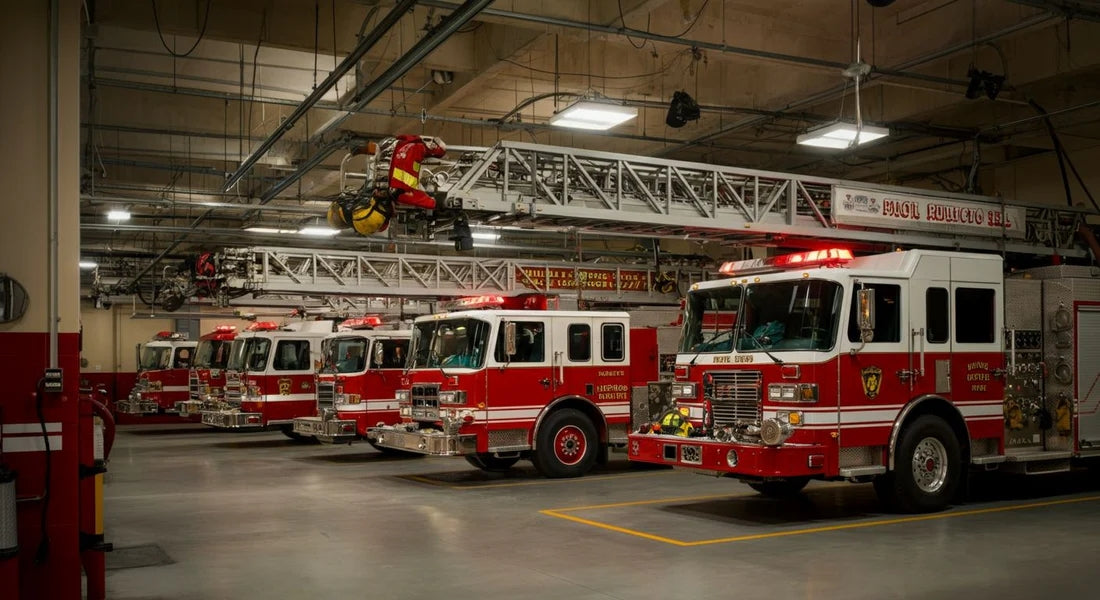
For firefighters, sleep during a 24-hour shift is rarely one continuous block. It happens between calls, in shared bunk rooms, and under conditions built for readiness rather than recovery. That makes the goal more specific: not maximizing sleep time, but protecting sleep continuity whenever a window opens.There are four practical ways to do that.
1. Protect short sleep windows before they disappear
In fire stations, sleep often comes in short, unpredictable stretches. When a quiet window opens, the priority is to use it quickly instead of letting it drift away. Delays, extra activity, or unnecessary distractions can shrink a rest period before real sleep even begins. The more of that window that turns into actual sleep, the more recovery it can support.
2. Reduce avoidable disruption in the shared environment
Many interruptions do not come from calls themselves, but from the shared environment around them. Doors, gear handling, movement, and low-level conversation can create repeated micro-awakenings that fragment sleep over time. In stations where full control is not possible, the goal is not silence, but reducing unnecessary disruption while still allowing important alerts to come through.
3. Make it easier to fall back asleep after each interruption
Once sleep is broken, return-to-sleep time matters. Adrenaline, residual alertness, and the expectation of another call can all slow the shift back into usable rest. Keeping the setup consistent and avoiding extra stimulation can shorten that gap and protect more recovery across the shift.
4. Use tools that support sleep in shared, interruption-prone settings
No product can remove the realities of fire service life. But some tools can be more useful when they match the reasons sleep breaks down. In shared environments, features such as overnight comfort, less disruptive wake-up, and support for fragmented sleep can matter more than general audio features. That is the kind of use case behind products like SomniPods 3.
A Practical Direction
In environments where conditions cannot be fully controlled, the most practical approach is usually not to chase perfect sleep, but to protect the sleep that is still available.
Approaches that reduce unnecessary disruption, support more stable rest, and preserve longer uninterrupted windows can make recovery more consistent over time. Firefighters make this problem easier to see, but the same pattern shows up across many other forms of unstable sleep.
For a more contextual look at how these sleep barriers show up in real fire-service settings, see what we learned from 100+ women firefighters about sleep. If you want to explore more sleep topics, practical guides, and recovery-related articles, you can also browse the full Sleep blog.
Final Takeaway
Firefighter sleep deprivation is not only about short sleep. It is about interrupted sleep that limits recovery.
Across firefighting and other shift-based work, the most consistent lever is improving sleep continuity. When sleep is unstable, recovery becomes unstable too. Even small reductions in disruption can lead to more consistent rest over time.
FAQ
Why do firefighters have trouble sleeping during 24-hour shifts?
Firefighters often struggle to sleep during 24-hour shifts because sleep is repeatedly interrupted by calls, alarms, radio traffic, shared bunk rooms, and the constant need to stay ready for emergencies.
How common is sleep deprivation among firefighters?
Industry and clinical sources cited in firefighter sleep research report that a large share of firefighters experience chronic sleep deprivation, especially during working shifts.
Do firefighters have higher rates of sleep disorders?
Research has found elevated rates of sleep disorders among firefighters, including insomnia, obstructive sleep apnea, and shift work disorder.
What makes fire station sleep different from normal sleep?
Fire station sleep is often lighter and more fragmented because it happens in a noisy, shared environment where emergency calls can happen at any time.
What helps shift workers sleep in noisy environments?
Shift workers often benefit most from reducing unnecessary noise, lowering abrupt wake triggers, and making it easier to fall back asleep after interruptions. In fragmented sleep environments, protecting sleep continuity often matters more than simply adding more time in bed.
References
- Barger LK, Rajaratnam SMW, Wang W, et al. Common sleep disorders increase risk of motor vehicle crashes and adverse health outcomes in firefighters. Journal of Clinical Sleep Medicine. Journal of Clinical Sleep Medicine
- U.S. Fire Administration. Emergency Services Ergonomics and Wellness. Emergency Services Ergonomics and Wellness
- National Fire Protection Association. Fatal Firefighter Injuries in the United States. Fatal Firefighter Injuries in the United States
- National Fire Protection Association. Fatal Firefighter Injuries in the US in 2024 (report PDF). Fatal Firefighter Injuries in the US in 2024 (report PDF)