How to create a sleep sanctuary in a noisy apartment
Apartment noise can make sleep feel fragile: you fall asleep, then wake to footsteps, traffic, or a partner shifting. This post explains why sudden sound changes trigger micro awakenings, then walks you through a simple reduce, mask, protect setup for a calmer bedroom. You will get practical fixes you can do tonight, plus when an earbuds option like SomniPods 3 makes sense.
Sleep
How to create a sleep sanctuary in a noisy apartmentBy Amelia Bennett
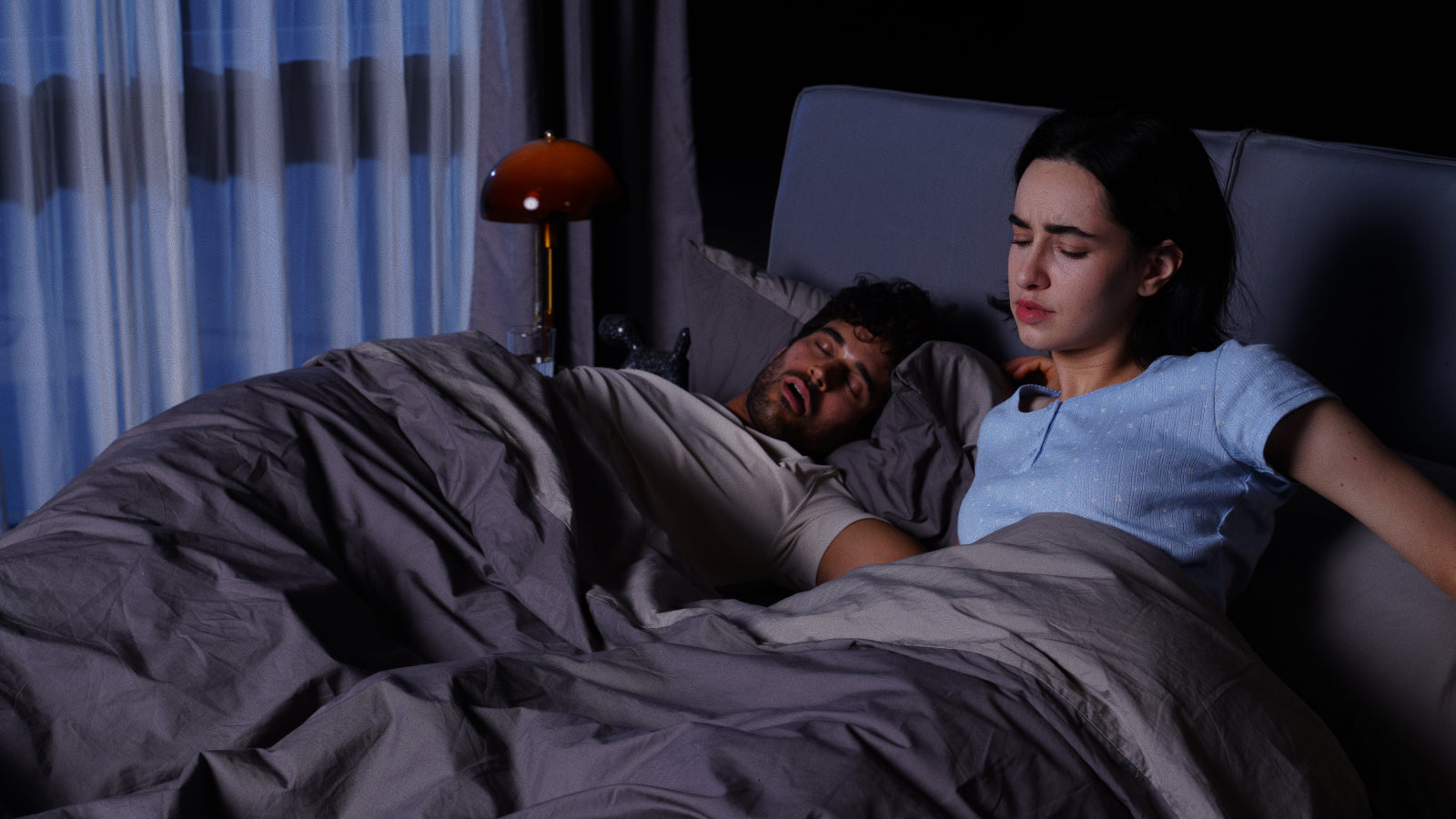
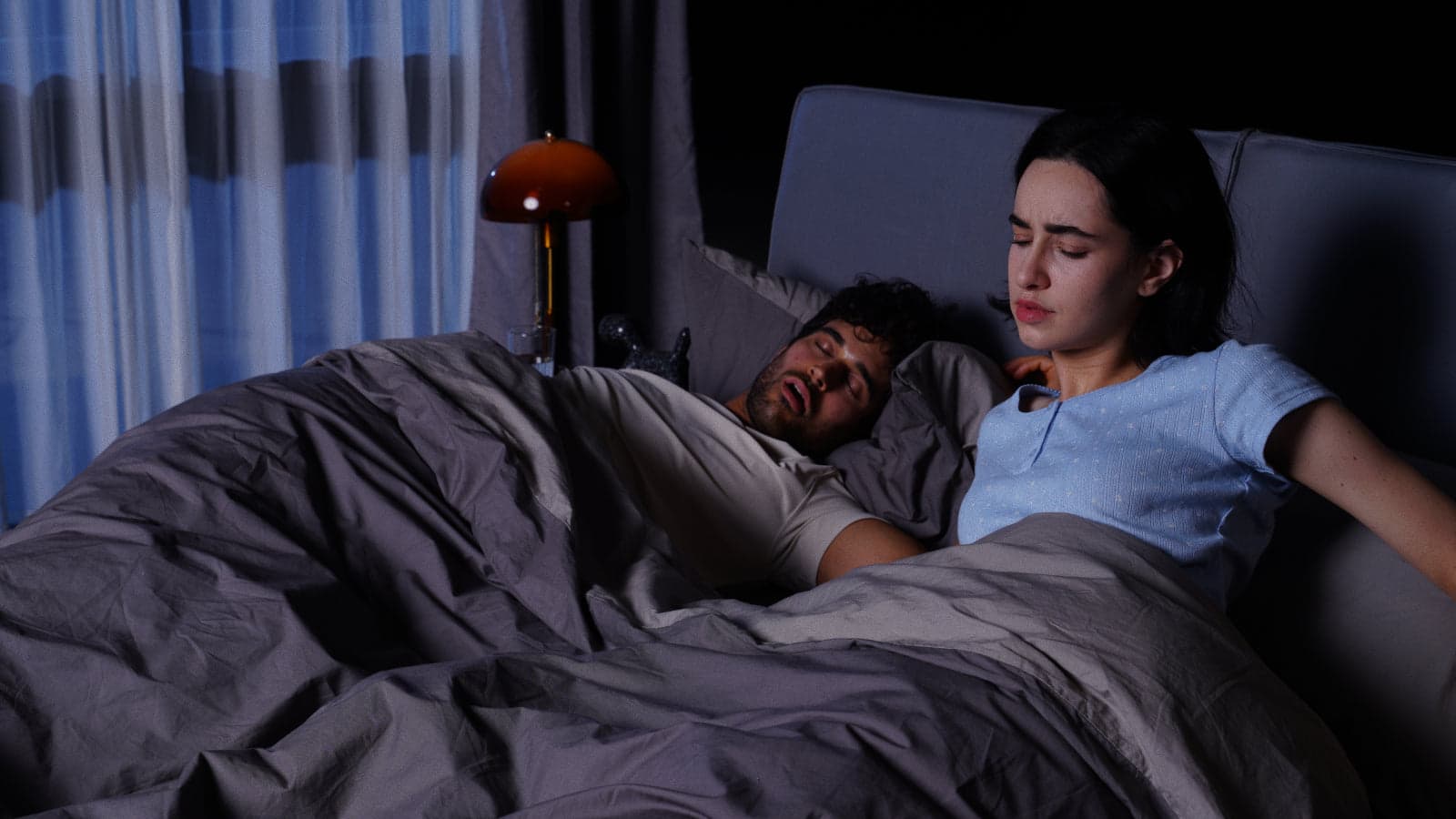
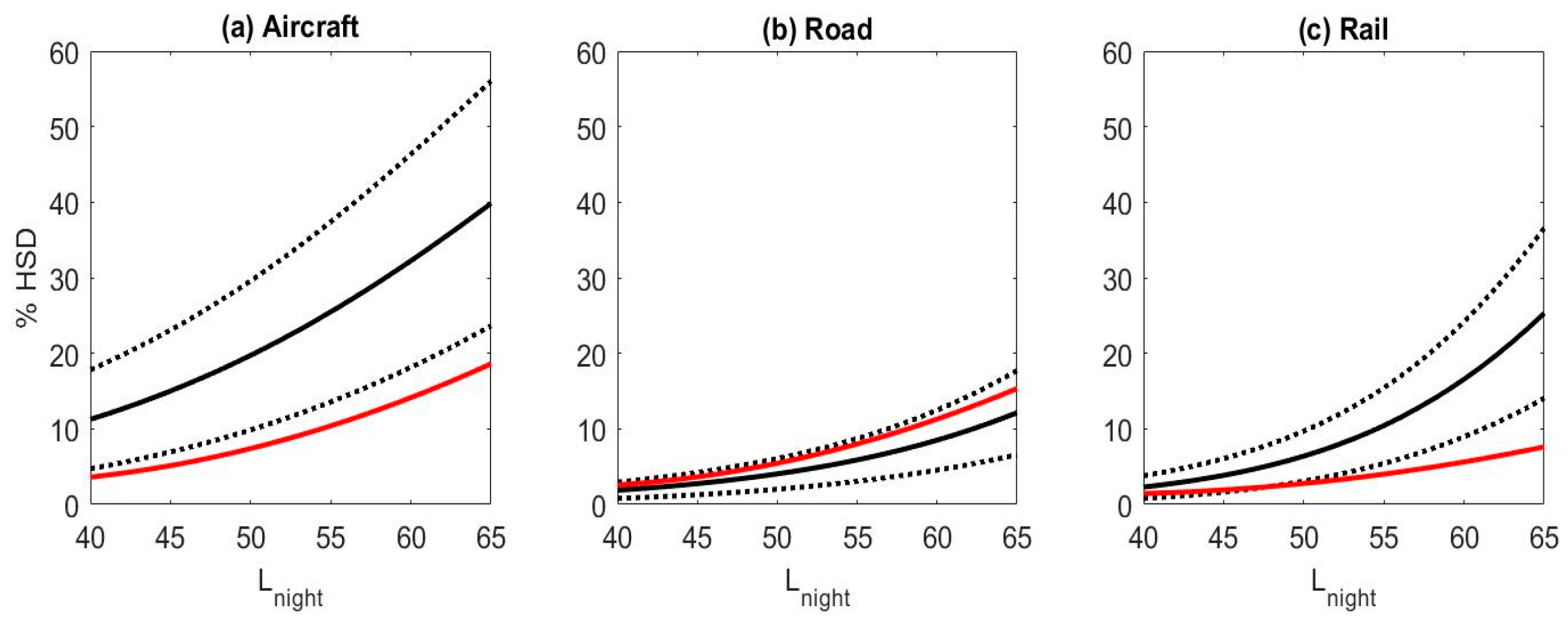
If you live in a noisy building, share a bed with a snoring partner, or wake more easily in the second half of the night, you may recognize a frustrating loop: you are tired, you try to do the right bedtime routine, and your sleep still feels fragile. In an apartment, the goal is rarely total silence, and a more clinically aligned target is stable sleep continuity, meaning fewer transitions into lighter sleep and fewer micro awakenings driven by environmental change. Public health reviews on environmental noise note that community and transportation noise are associated with both objectively measured sleep disruption and subjectively reported sleep disturbance, which helps explain why the problem can feel so persistent even when the noise does not seem extreme. In this guide, a sleep sanctuary means a repeatable system that lowers arousal, reduces sensory contrast, and makes nighttime sounds less likely to register as meaningful signals; for a high level evidence summary on noise and sleep physiology, see the WHO environmental noise guideline review: WHO Environmental Noise Guidelines review.
Why apartment noise feels louder at night even when the volume is not extreme
Sleep is an active neurophysiological state rather than a passive shutdown, and the sleeping brain continues to sample sensory input for changes that might signal relevance or risk. In practical terms, many awakenings are triggered less by absolute loudness and more by contrast, unpredictability, and timing, especially when a sound appears abruptly against a quiet baseline. This is one reason people often report waking to small noises like a door click, a pipe shift, distant traffic, or a partner changing position, even when those sounds are not objectively loud. When the brain detects a change, it may briefly increase arousal and produce micro awakenings that fragment sleep without being remembered the next morning, which can reduce perceived restoration even if total time in bed looks adequate. If this description matches your experience, Fitnexa explores the light sleeper pattern and why some nervous systems react faster to small changes here: Why light sleepers wake up so easily.
Small noises wake me up at night
The sleep sanctuary framework: reduce, stabilize, then protect
In noisy apartments, the most reliable approach is layered because no single intervention addresses every noise source or every sleeper. First, reduce what you can at the room boundary so peaks become smaller and less sharp; second, stabilize the sound environment so the brain detects fewer changes across the night; third, protect your sleep when the building remains unpredictable. This framework mirrors how clinicians think about sleep disruption in real life: you lower environmental triggers, reduce sensory volatility, and then add a personal barrier when the environment cannot be controlled. It also prevents a common failure mode where people try one big fix, discover it does not solve everything, and abandon the effort, when the more realistic solution is a system of smaller, consistent changes that reinforce each other over time.
Reduce noise at the boundary without renovations
Apartment noise often enters through predictable pathways, including door gaps, window seams, and shared walls that transmit vibration and impact sounds. The highest return upgrades are usually simple and low commitment: seal the door gap with a draft stopper, add basic weather stripping around doors and windows, use thicker curtains to reduce both light and sound reflection, introduce soft surfaces like rugs to reduce reverberation on hard floors, and reposition the bed away from the window or the noisiest shared wall when possible. If you share a wall with a noisy neighbor, placing a bookshelf or other dense furniture against that wall can add mass and reduce perceived sound, even if it is not true soundproofing. For a broader, system level view of bedroom optimization beyond noise alone, including temperature, light, and routine cues that support sleep continuity, see: The importance of a healthy sleep environment.
Stabilize the sound field with masking so peaks feel less salient
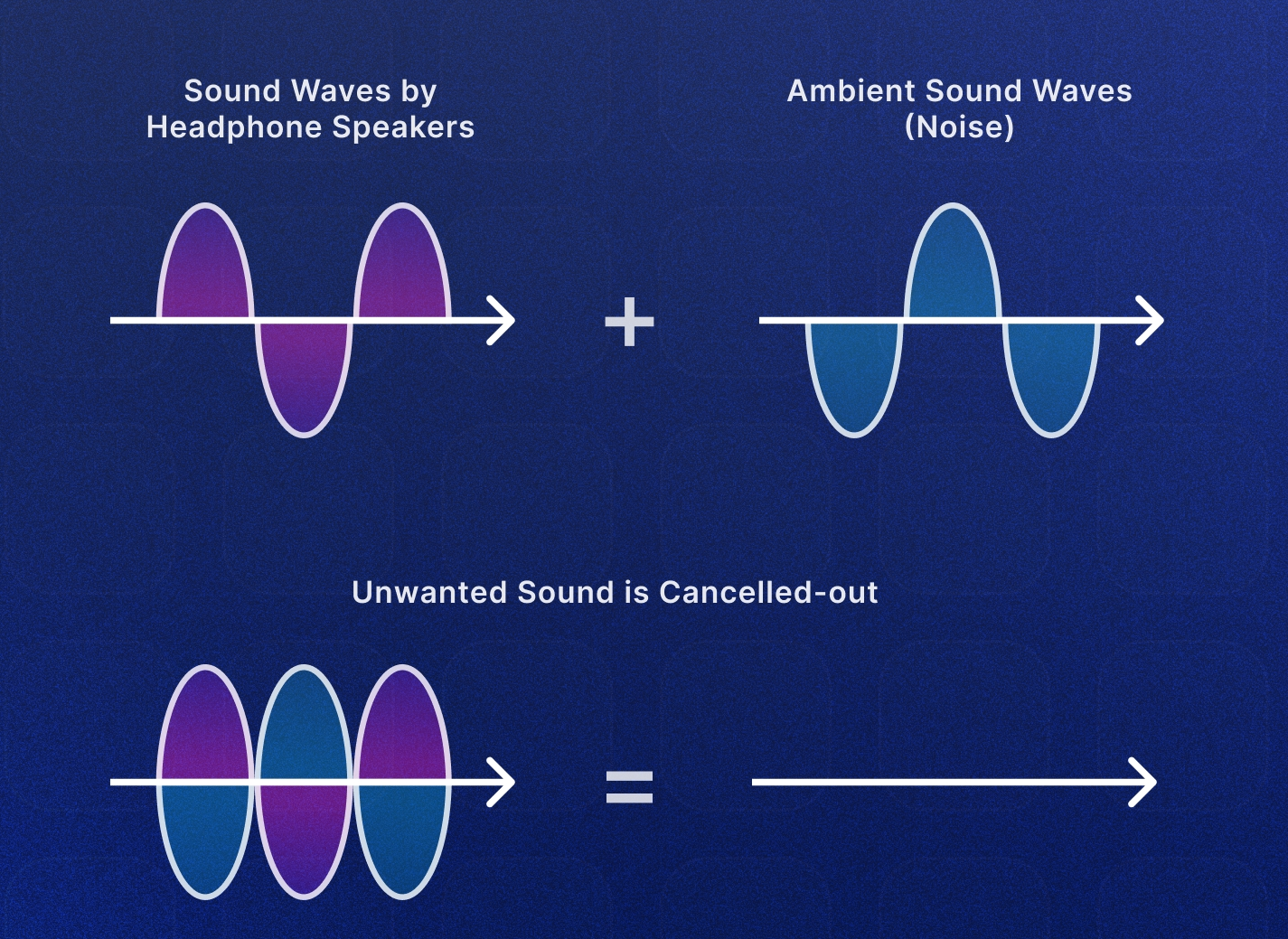
Sound masking can be understood as contrast management: instead of relying on a quiet baseline that makes every peak feel sharp, you introduce a steady background layer so peaks stand out less and are less likely to trigger arousal. The practical value is not that masking blocks noise perfectly, but that it reduces salience and unpredictability from the brain’s perspective, which can support continuity for reactive sleepers. The most consistent results tend to come from conservative use: choose a steady sound, keep volume low and comfortable, avoid frequent switching that keeps the brain engaged with novelty, and place speakers away from the head if you are using a bedside device. For a safety oriented perspective on why louder noise increases risk over time and why conservative volume matters, CDC NIOSH provides a clear overview of noise exposure and hearing risk here: CDC NIOSH noise and hearing overview. If you want to compare masking with strategies that attempt to reduce noise directly, including active noise cancellation concepts, Fitnexa breaks down the differences here: ANC vs sound masking for sleep.
White noise vs pink noise vs brown noise which one helps you sleep better
Protect your sleep window when the building stays unpredictable
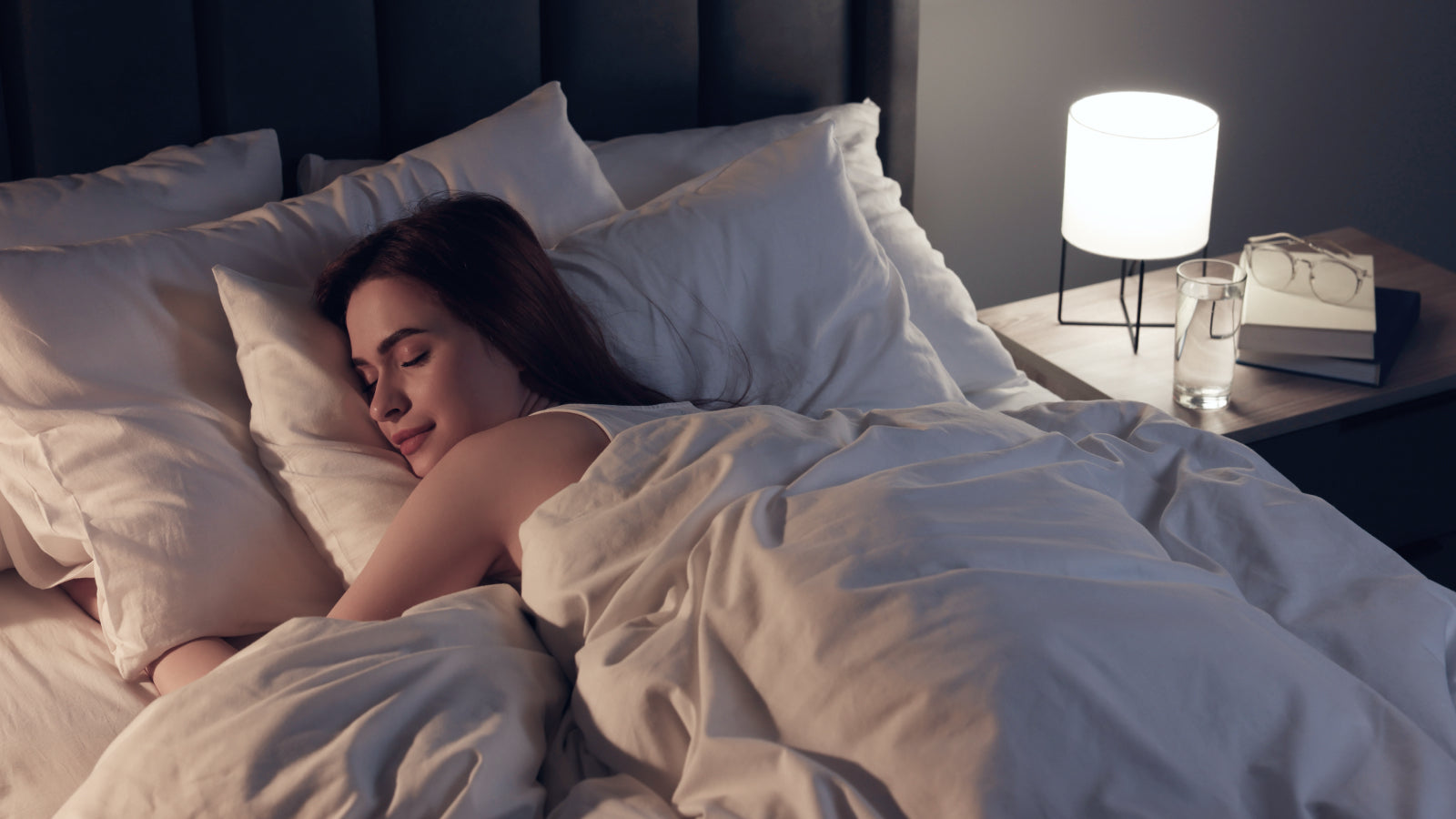
Even with boundary improvements and masking, many apartments remain acoustically unstable because impact sounds and neighbor activity are difficult to predict, and unpredictability is exactly what tends to trigger micro awakenings in sensitive sleepers. This is where an ear level approach can become the final and most reliable layer, especially when you cannot control the hallway, the street, or a partner’s snoring. Basic earplugs can help, but discomfort, inconsistent fit, and the blocked sensation often reduce adherence over time, which matters because sleep improvement depends on repeatability rather than one perfect night.
Sleep earbuds vs earplugs which is better Do sleep earbuds work for snoring How to sleep with a snoring partner
Where AI Coach fits: turning sleep data into a repeatable Tonight Plan
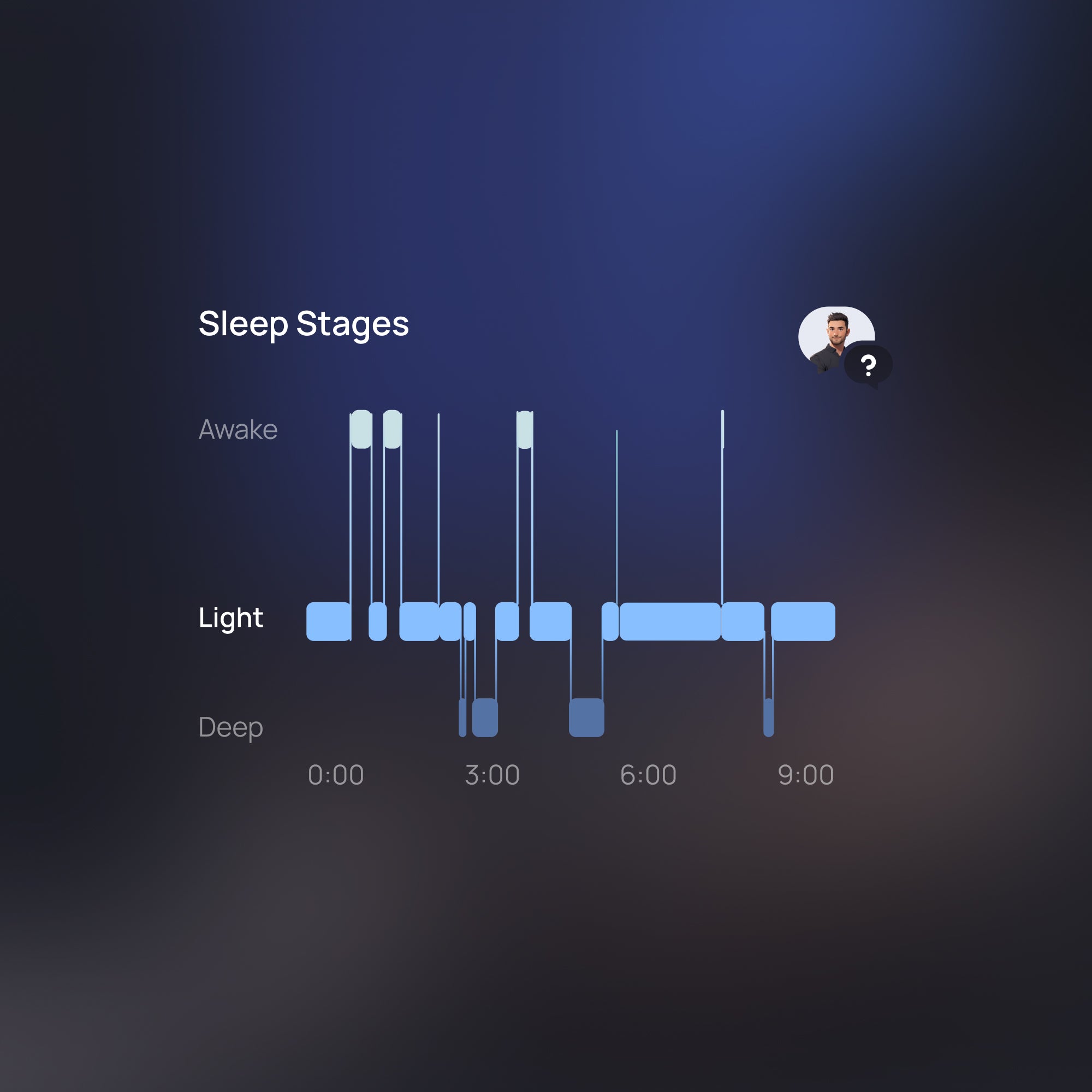
Many people build a better environment and still feel stuck because their disruptions are pattern based: they wake more easily after a certain hour, they are more reactive on stressful days, or they wake when the environment changes in a narrow window of the night. A sanctuary works best when it becomes repeatable, and repeatability is easier when you reduce guessing and keep the nightly routine consistent. The American Academy of Sleep Medicine emphasizes foundational sleep habits such as keeping a consistent sleep schedule and building a stable wind down routine, which aligns with the idea that predictable cues support better sleep continuity; see AASM guidance here: AASM healthy sleep habits. When paired with the Fitnexa App, AI Coach adds a data informed layer that helps connect your sleep patterns to structured Tonight Plan recommendations, which can reduce trial and error and make the system easier to sustain. If you are weighing what apps can and cannot do without a stable environment and a consistent plan, Fitnexa frames expectations here: Do sleep tracker apps actually help.
A simple three night build to test what actually improves your sleep
Rather than changing five variables at once, a short structured build is more diagnostic and closer to how sleep interventions are evaluated in research. Night 1 focuses on boundary reduction, meaning you apply the easiest noise leak fixes and keep everything else the same; Night 2 adds stabilization, meaning you introduce a steady masking sound at low volume and keep the timing consistent; Night 3 adds protection if needed, meaning you use an ear level solution and observe whether awakenings reduce when environmental peaks become less salient. Each morning, record only a few outcomes such as perceived time to fall asleep, whether you remember awakenings, and how restored you feel, because these reflect the user level experience that usually drives adherence and are less likely to be distorted by single night variability.
Build your sleep sanctuary with a system you can repeat
If noise keeps breaking your sleep, the most reliable path is a layered system rather than a single fix: reduce peaks at the boundary, stabilize the sound environment, and protect your sleep when the building stays unpredictable. If an ear level option would make your setup easier to maintain night after night, you can explore Fitnexa SomniPods 3 here: SomniPods 3, and if you want guidance that adapts to your patterns instead of generic tips, start with AI Coach support here: Fitnexa App support.
Final thoughts
A sleep sanctuary in a noisy apartment is less about chasing silence and more about reducing contrast, lowering arousal, and building a routine that is stable enough to work across imperfect nights. When you treat the bedroom as a system, small changes can compound over time: fewer peaks, fewer surprises, fewer awakenings, and better continuity. If you have persistent insomnia symptoms, loud snoring with daytime sleepiness, or frequent awakenings that do not improve with environment changes, it can be reasonable to discuss it with a clinician to rule out common sleep disorders.