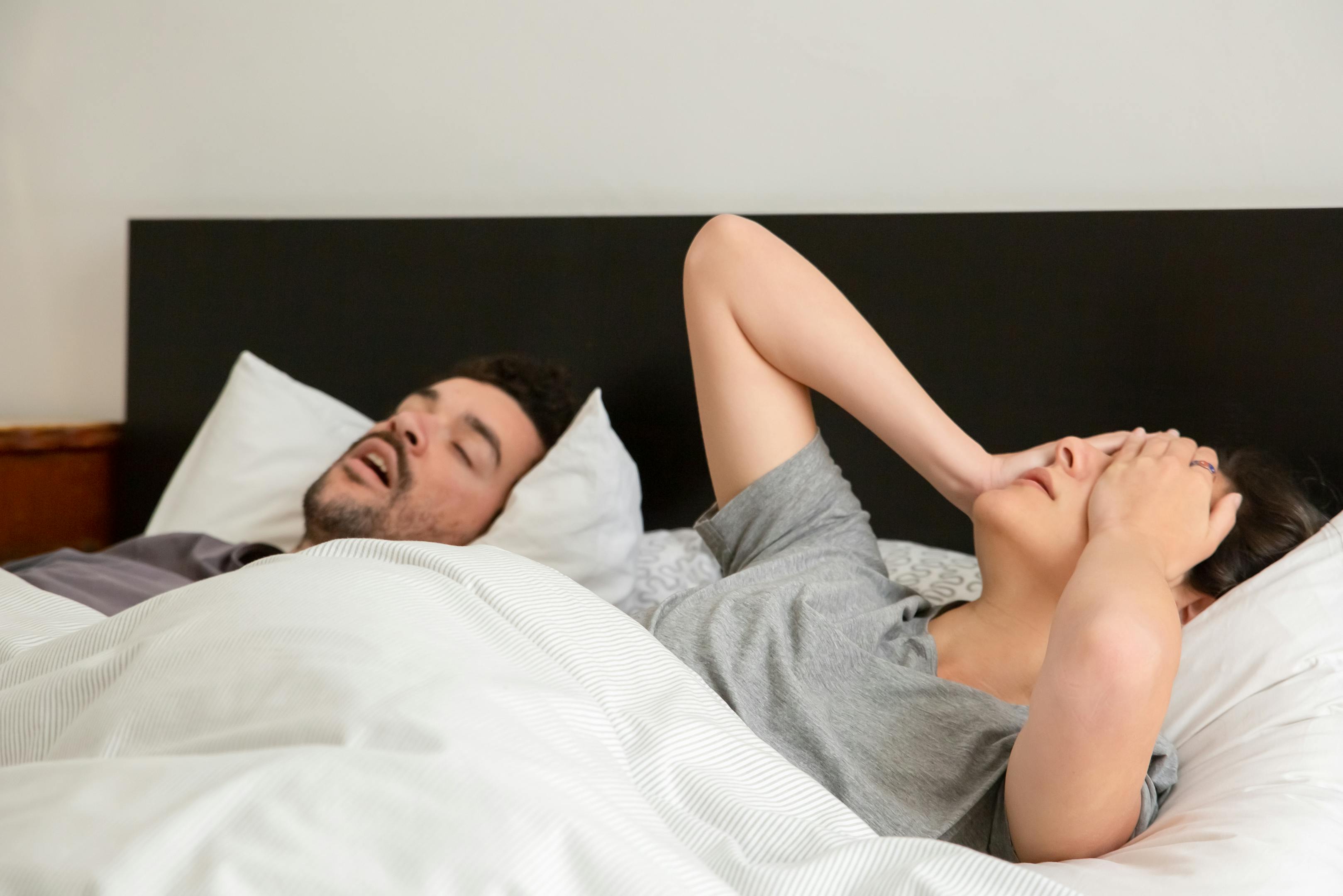
Nighttime noise rarely feels dramatic, but it can quietly fragment sleep. A passing car, a shifting partner, or a brief snore peak may be enough to pull the brain toward alertness. If this sounds familiar, you have likely started looking for a more effective way to manage sound at night. Two common options usually appear: active noise cancellation (ANC) and sound masking. They may seem similar, but they address different parts of the same problem. The better choice depends less on how powerful the technology sounds and more on how your brain responds to sound during sleep. If you want a broader foundation on how sleep continuity and environment shape recovery, start with Sleep.
Why small noises feel bigger at night
At night, the world becomes quieter, which makes contrast more noticeable. A room that feels silent can suddenly feel loud when a car passes, a partner shifts position, or a snore peaks. These changes can trigger brief arousals and micro awakenings that fragment sleep even if you do not fully wake up, and over time, fragmented sleep is associated with feeling less refreshed despite spending enough hours in bed. If you often wake easily, it may help to understand why sensitivity varies between people and how lighter sleep can be more reactive to change. Our article Why light sleepers wake up so easily explains this pattern in more detail.
What ANC actually does
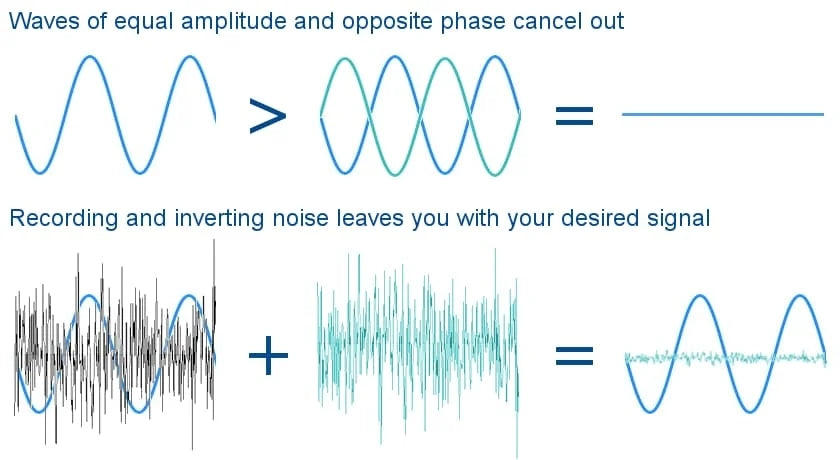
Active noise cancellation works by detecting external sound and producing an opposite sound wave to reduce it. In practice, ANC is often most effective against steady, low frequency noise such as air conditioning hum or constant traffic, and in stable environments it can lower background sound and make a room feel calmer. The limitation is that many nighttime disturbances are irregular rather than steady. Snoring peaks, footsteps, and doors closing are not continuous waves, and ANC may not be optimized for sudden, intermittent sounds. Some people also notice that extreme quiet can make the brain more attentive to subtle internal sensations like breathing or movement, which can be counterproductive if you are already a light sleeper. From a hearing health perspective, risk is driven mainly by volume and duration rather than whether a sound comes from a speaker or the environment, so keeping playback at comfortable levels matters. For a clear, evidence based overview of sound levels and hearing risk, see the National Institute on Deafness and Other Communication Disorders guidance on Noise induced hearing loss.
How sound masking works differently
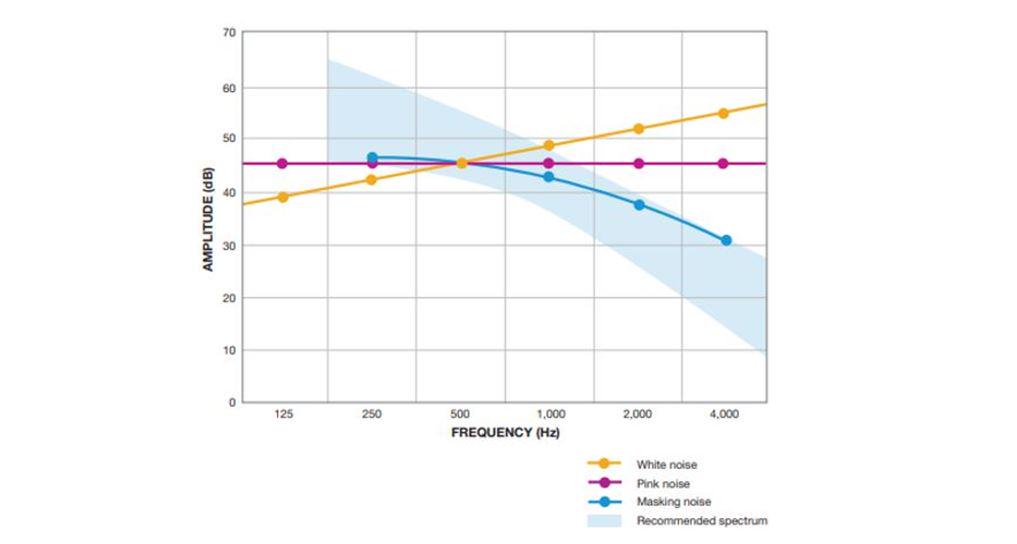
Sound masking does not try to eliminate noise. Instead, it introduces a consistent background sound, such as white noise, pink noise, brown noise, or gentle natural audio. The goal is to reduce contrast. When a stable sound floor is present, sudden changes feel less sharp and less disruptive, which may help the brain remain in a more stable sleep state instead of reacting to every shift in the environment. If you are choosing between sound profiles, White noise vs pink noise vs brown noise breaks down how different frequency balances can influence comfort and perception. For a neutral, science minded overview of what the evidence suggests and where it is mixed, Harvard Health Publishing discusses how different noise colors might help, or even hurt, sleep in How noise colors might help or even hurt your sleep.
Noise reduction vs sound stability
The key difference between ANC and sound masking is not only how much sound is reduced. It is whether your sound environment remains stable. ANC focuses on reducing certain types of background noise, especially steady low frequency sound. Sound masking focuses on stabilizing what your brain hears so that sudden spikes feel less intense. For many sleepers, especially those in apartments or shared bedrooms, stability can matter more than maximum reduction because irregular noise is what tends to trigger awakenings. If you are dealing with city noise or shared walls, you may also find practical tips in How to create a sleep sanctuary in a noisy apartment.
Which one is better for real sleep?
ANC can be helpful when steady background noise is your main issue. Sound masking is often more effective when irregular nighttime disturbances cause awakenings. For many people, the most practical approach is not choosing one over the other, but combining gentle noise reduction with a consistent masking sound to create a calmer environment overall. This can lower the chance that a small change in the soundscape triggers arousal. If your sleep often feels broken into small pieces, How fragmented sleep affects recovery explains why continuity can matter as much as total hours.
Where fitnexa SomniPods 3 fit in
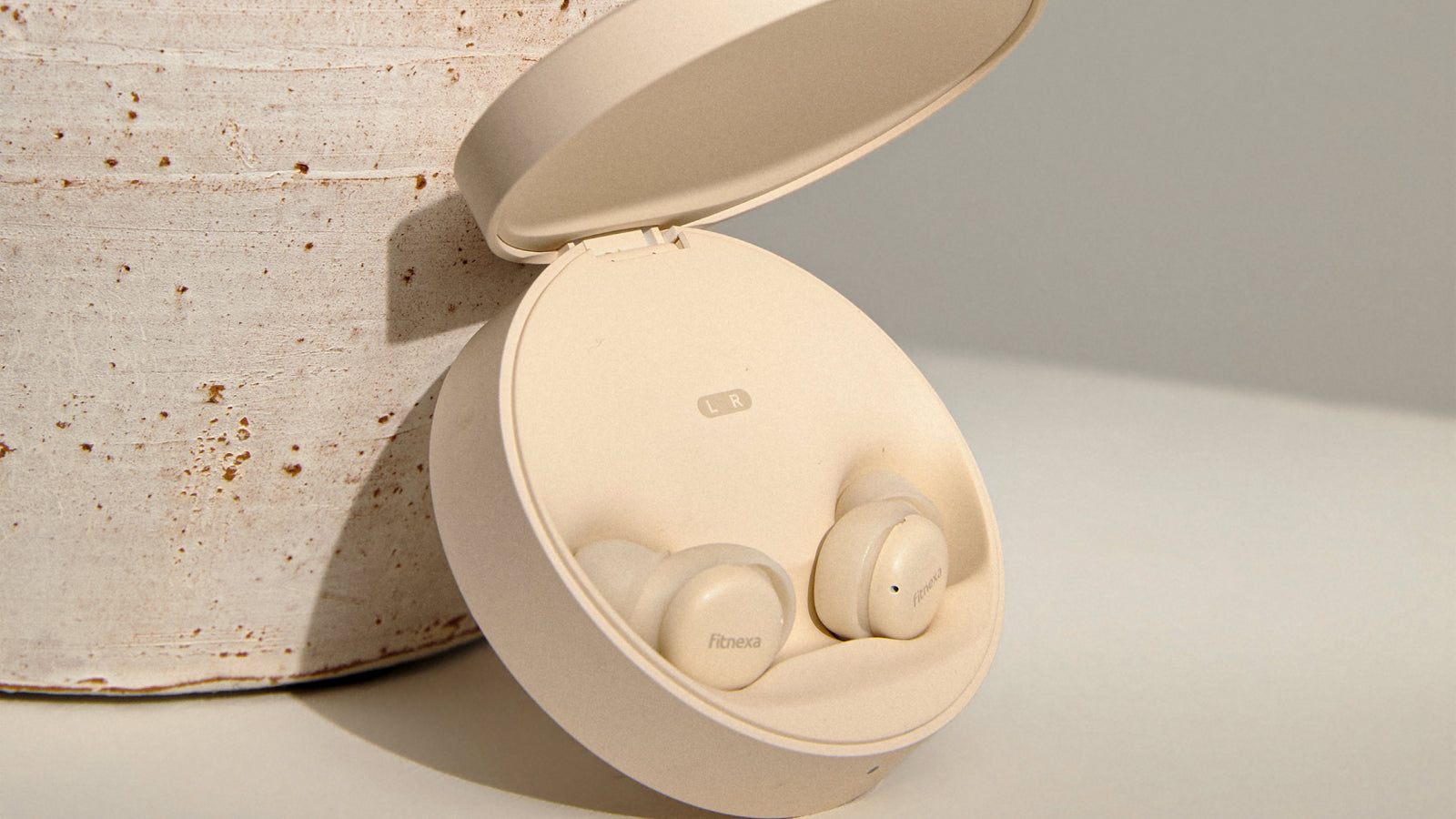
fitnexa SomniPods 3 are designed specifically for overnight use rather than daytime commuting. They combine sleep grade noise reduction with built in sound masking to support a balanced and stable sound environment instead of pushing for extreme silence. The ultra thin profile is made for side sleepers, which can help reduce pressure points that otherwise interrupt rest. If you want to explore the full details, you can Shop SomniPods 3 and see how they are built for comfort and continuity.
Sleep works best as a system
Audio tools are most effective when paired with better awareness of your sleep patterns and consistent habits. The Fitnexa App helps you understand which nights you are more sensitive to noise and how small adjustments may influence recovery over time. With built in AI Coach guidance, you receive simple Tonight Plan suggestions based on your data rather than generic tips. For practical, non medical sleep habit guidance from a clinical health source, Johns Hopkins Medicine shares simple ways to improve nightly sleep in Seven ways to get a healthier night's sleep. To learn more about personalized guidance on Fitnexa, visit Fitnexa App and AI Coach.
Final thoughts
ANC and sound masking are not competing technologies. They address different aspects of nighttime noise. ANC can soften steady background sound, while sound masking can reduce the brain’s reaction to sudden changes. If your sleep is regularly interrupted by environmental noise, the most effective solution is often one designed specifically for sleep stability and all night comfort. Choosing tools built for overnight use, and keeping volume at comfortable levels, can make a meaningful difference in how restored you feel each morning.