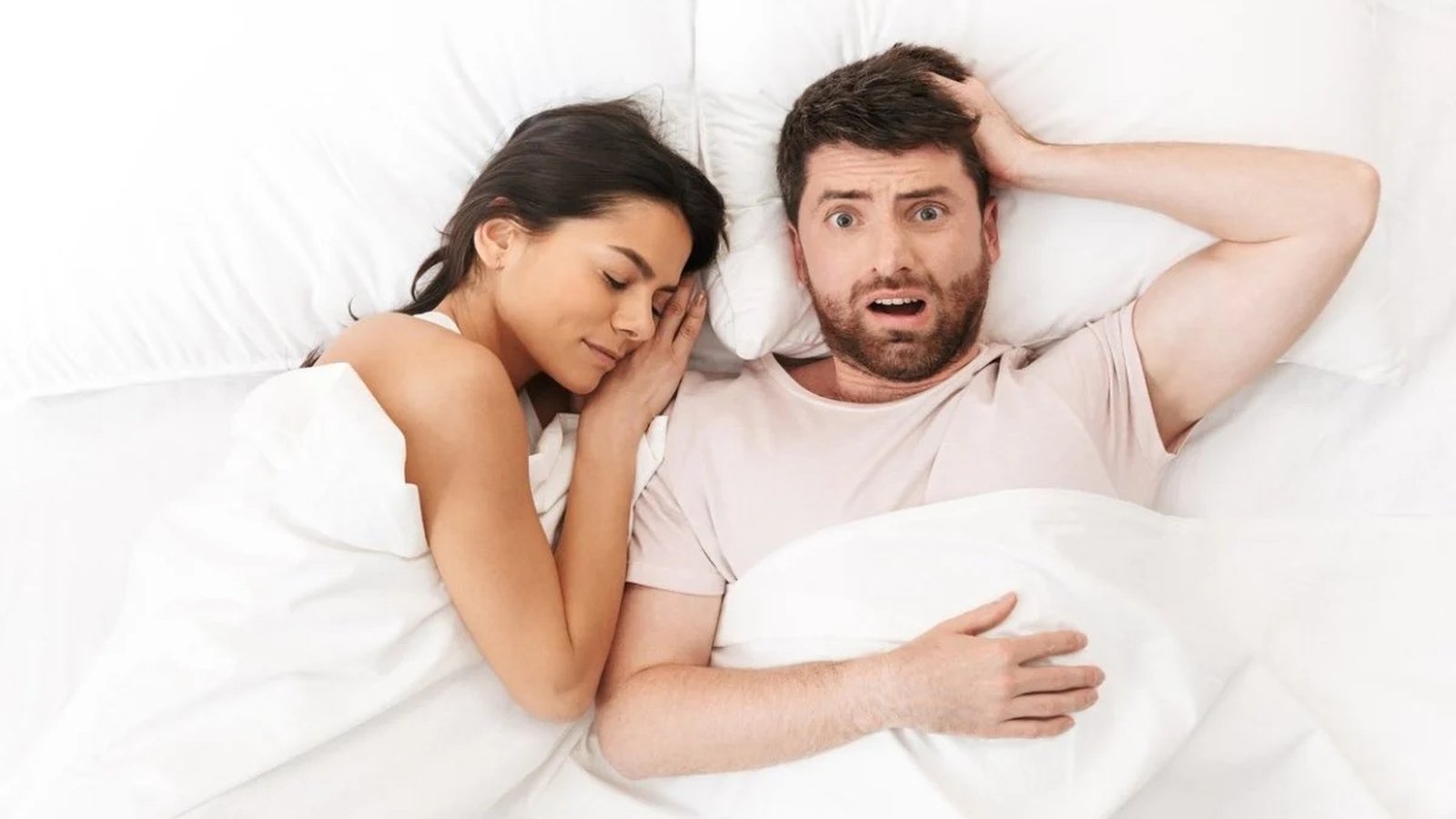
Yes, sleep earbuds can help with snoring, but only in a specific way: they can make a snoring partner less disruptive to your sleep. They do not stop snoring, and they do not work equally well in every bedroom.
They usually help most when the real problem is repeated wake-ups in a shared bedroom, not the snoring itself. If your partner's snoring is mild to moderate, irregular, and keeps pulling you back toward wakefulness, sleep earbuds can improve sleep continuity. If the snoring is extremely loud, medically concerning, or impossible to mask comfortably, their benefit is limited.What sleep earbuds are and who they help most matters most when snoring causes repeated wake-ups.
Snoring is hard to sleep through because it is uneven and unpredictable. Mayo Clinic describes snoring as a common sleep problem with a range of underlying causes. A few quiet minutes can be followed by a loud burst, a shift in breathing rhythm, or a sudden snort. For a light sleeper, that pattern is often what does the damage.
Shared-bedroom snoring often leads to the same kind of disruption described in How to sleep with a snoring partner, especially when one person's noise keeps breaking the other person's sleep rhythm. For people whose sleep is already reactive to subtle changes in the room, that same sensitivity is part of why light sleepers wake up so easily.
Why Snoring Disrupts Sleep So Easily
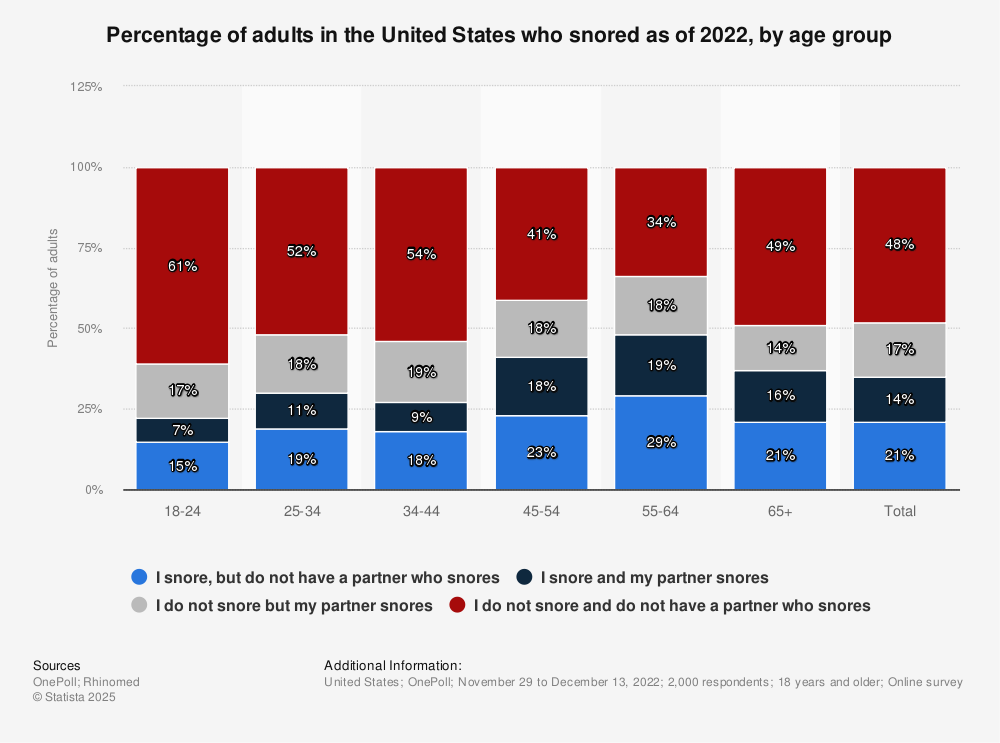
Snoring often causes more disruption than its average volume suggests. The problem is the pattern:
- the sound starts and stops
- the intensity changes from moment to moment
- the timing is unpredictable
- the bedroom can shift from quiet to noticeable noise in seconds
Sudden sound changes can wake you up, even if you do not fully remember them the next day. Sleep Foundation explains that snoring can affect sleep quality for both the snorer and the bed partner. That is why people often say a snoring partner keeps them "half awake" all night. The issue is not just loudness. It is repeated interruption.
What Sleep Earbuds Can and Cannot Do for Snoring
Sleep earbuds are useful when the main problem is noise-triggered wake-ups in a shared bedroom. They can:
- reduce the contrast between silence and a snore burst
- make irregular snoring feel less abrupt
- help light sleepers fall back asleep faster
- protect sleep continuity when the snoring is disruptive but not overwhelming
They cannot:
- stop your partner from snoring
- guarantee silence
- fix severe snoring on their own
- replace medical evaluation if the pattern suggests sleep apnea or another breathing issue
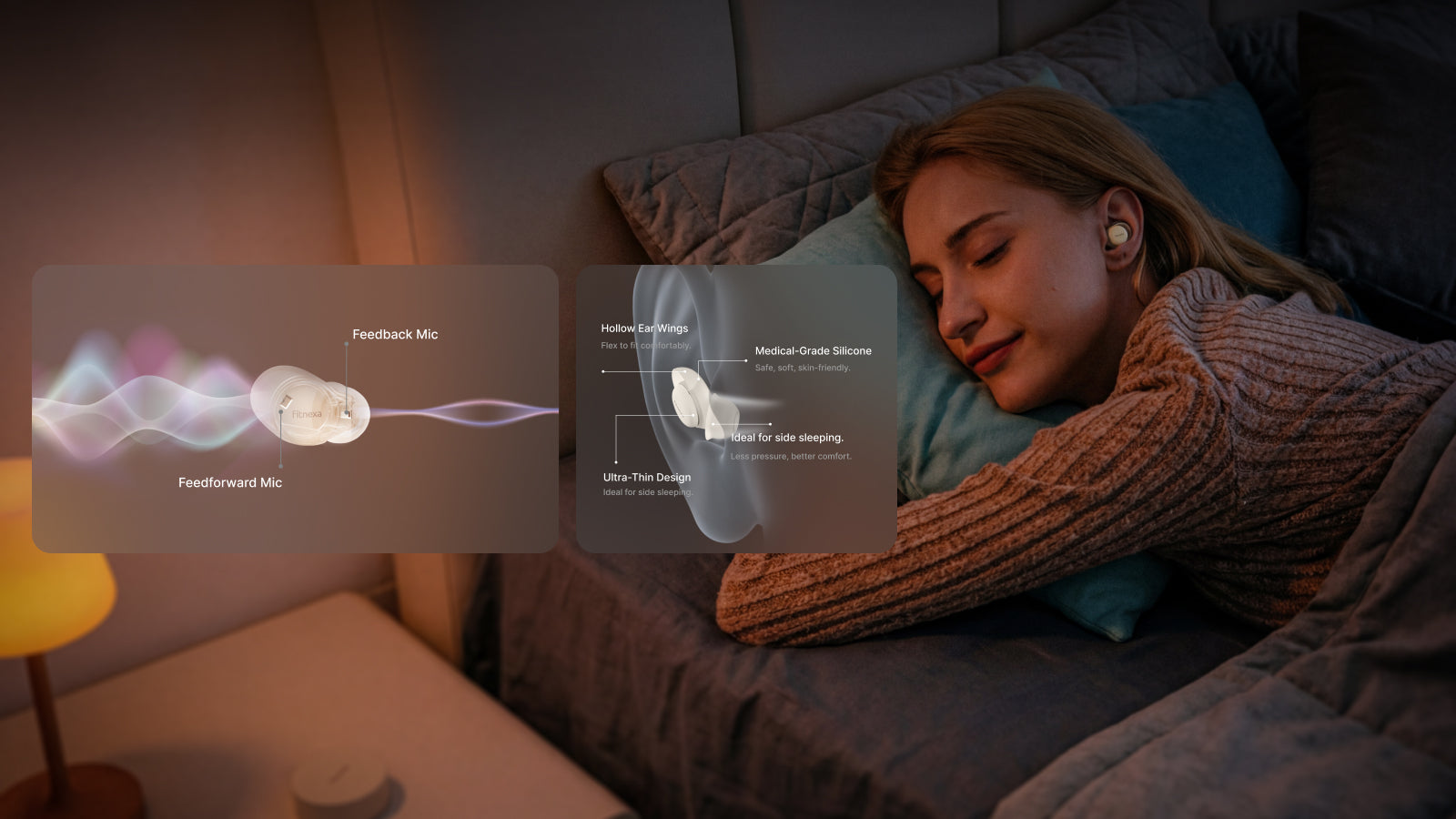
If you want silence, sleep earbuds will often disappoint you. If you want fewer wake-ups, they can help. If loud snoring is paired with pauses in breathing, choking, or severe daytime sleepiness, Mayo Clinic notes that obstructive sleep apnea may need medical evaluation.
Why Audio Approach Matters More Than People Expect
For snoring, the best setup is usually not louder. It is steadier.
For most people, the best sound for snoring is a low, steady masking sound rather than louder playback.
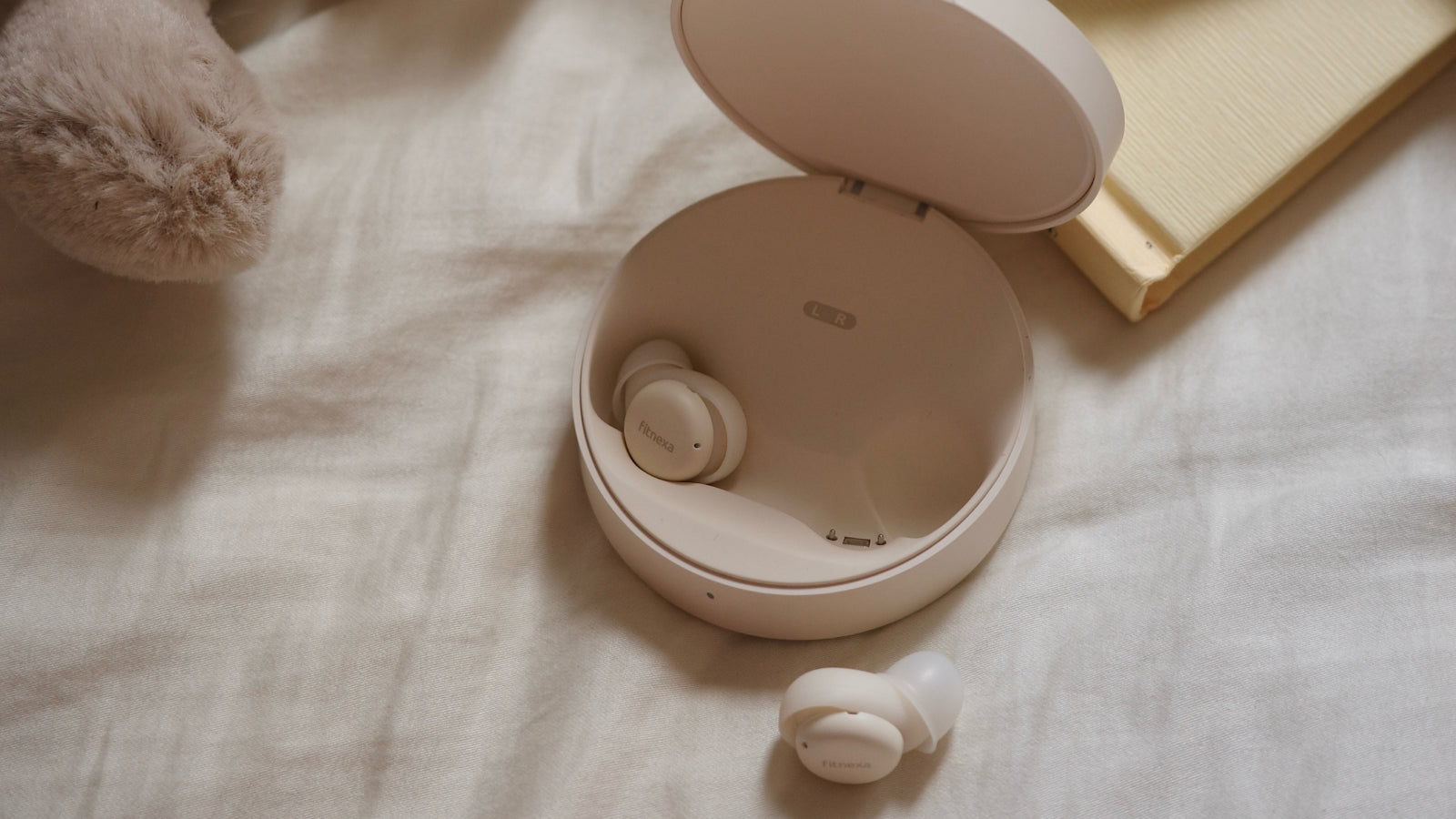
Three common approaches are worth considering:
Passive Sound Reduction
This approach lowers the overall amount of sound that reaches your ears by creating a physical barrier between you and the noise. It can help reduce the general background level in the room, which may make snoring feel less intrusive at times. But passive sound reduction often struggles with sudden peaks and shifting snore patterns, especially when the noise changes quickly from soft to loud. It reduces sound input, but it does not create the kind of steady baseline that makes irregular snoring feel less abrupt.
Active Noise Cancellation
ANC works by detecting outside sound and generating an opposing signal to reduce part of what you hear. It tends to work best on lower-frequency, more continuous noise, which is why it can help with the rumbling side of snoring in some bedrooms. But snoring is rarely smooth or consistent for long. When the sound shifts suddenly in volume, rhythm, or tone, ANC is usually less dependable on its own. It can reduce some of the underlying noise, but it does not always handle sharp, irregular snore bursts as well as people expect.
Steady Sound Masking
Masking is often the best match for intermittent bedroom snoring because it gives the brain a more consistent baseline. Sleep Foundation's overview of white noise explains why steady background sound can make disruptive noise less noticeable for some sleepers. A low, steady sound can make the jump from quiet to snoring feel less abrupt.
The differences between white noise, pink noise, and brown noise can matter here because some sleepers do better with a softer, lower-feeling background sound than with a brighter one.
Who Sleep Earbuds Help Most With Snoring
Sleep earbuds are a better fit when:
- you mostly wake because the sound pulls your attention back up
- your partner snores at a mild to moderate level
- you sleep lightly in the second half of the night
- you can tolerate low-profile overnight audio comfortably
- the goal is fewer wake-ups, not total silence
They are less likely to help enough when:
- the snoring is extremely loud or severe
- your main problem is relationship stress or anticipatory tension
- the earbuds themselves create pressure or discomfort
- the room has multiple sources of disruption beyond snoring alone
That is also why snoring-related sleep disruption can leave you with the same unrefreshed, dragged-out feeling described in Wake up tired after 8 hours, even when the total time in bed looks fine.
A Simple 7-Night Snoring Test
Before deciding whether sleep earbuds work for snoring, test them with a repeatable setup:
- Keep bedtime and wake time roughly consistent.
- Use the same pillow and sleep position as usual.
- Keep masking volume low and steady.
- Log remembered awakenings each morning.
- Note whether the wake-up was caused by sound, discomfort, or both.
Judge the test by one result: fewer noise-triggered wake-ups. If you still feel worn out despite a full sleep window, Harvard Health notes that disrupted sleep can still affect next-day mood, focus, and function.
If your main goal is to sleep through a snoring partner more consistently, sleep earbuds are usually worth trying before assuming you need a more extreme setup.
Final Thoughts
Sleep earbuds do work for snoring when the goal is protecting sleep continuity in a shared bedroom, not erasing every sound. They help most when the snoring is disruptive enough to wake you, but still maskable enough that a steady audio layer can smooth out the night.
For many people, the best setup is simple: a comfortable low-profile fit, low-volume steady sound, and realistic expectations about what personal audio can and cannot do. If this article helped you decide whether sleep earbuds are the right tool, the next step is choosing the right sound strategy and broader snoring-partner setup, starting with white noise vs. pink noise vs. brown noise and how to sleep with a snoring partner.
FAQ
Can Sleep Earbuds Block a Snoring Partner Completely?
Usually not. They can reduce disruption, but complete blocking is not a realistic expectation in most bedrooms.
Are Sleep Earbuds or Earplugs Better for Snoring?
It depends on the pattern. Earplugs can reduce sound input. Sleep earbuds can add masking or controlled sound, which is often more useful for irregular snoring.
Do Sleep Earbuds Help Light Sleepers With Snoring?
Often yes. Light sleepers tend to react strongly to sudden sound changes, so a steadier nighttime sound environment can help.
What Sound Works Best for Snoring in Sleep Earbuds?
Usually a low, steady masking sound works best. White, pink, or brown noise can all help, but many people find a softer, lower-feeling sound easier to sleep with than a brighter one.
Do Sleep Earbuds Still Help if Snoring Is Very Loud?
Sometimes, but not always. If the snoring is extremely loud or comes with breathing pauses, sleep earbuds may not be enough on their own.
What if I Still Wake Up Even With Earbuds?
Then the issue may be fit, excessive volume, severe snoring, or broader sleep fragmentation rather than snoring noise alone.